“The choice to represent the Bauhaus has been not through the use of certain materials or technological, formal or constructive choices, but underlining his purposeful and breaking character in relation to the physical and cultural context of the time. The new Museum, in fact, does not propose any mimetic desire with the context flaunting indeed his ‘innovative’ character.” AF<\/div>\n
\nThe occasion of a new museum is not only to Weimar the opportunity to become a reference point for the history of the Bauhaus, but also to develop a project that will improve a part of the city.
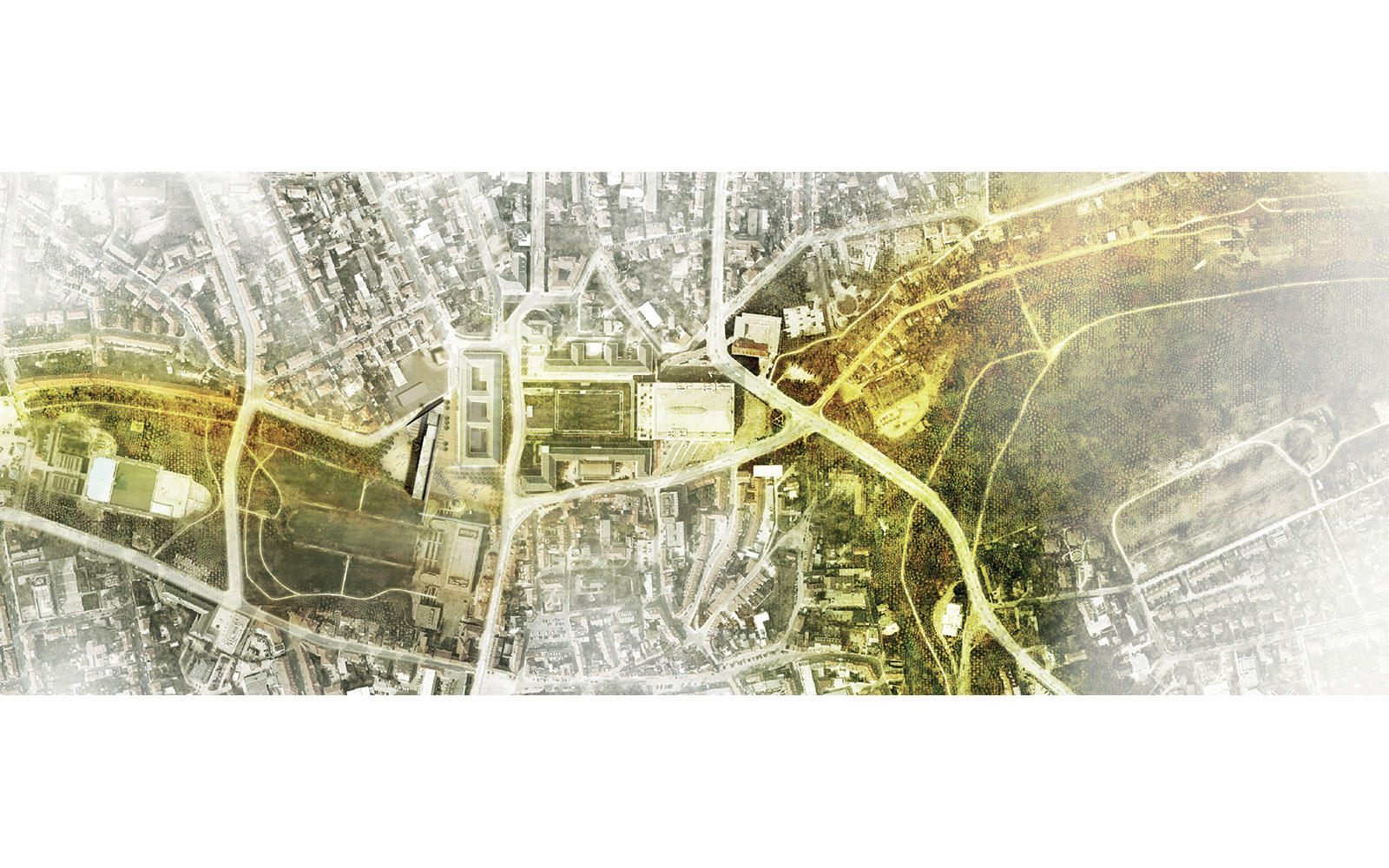
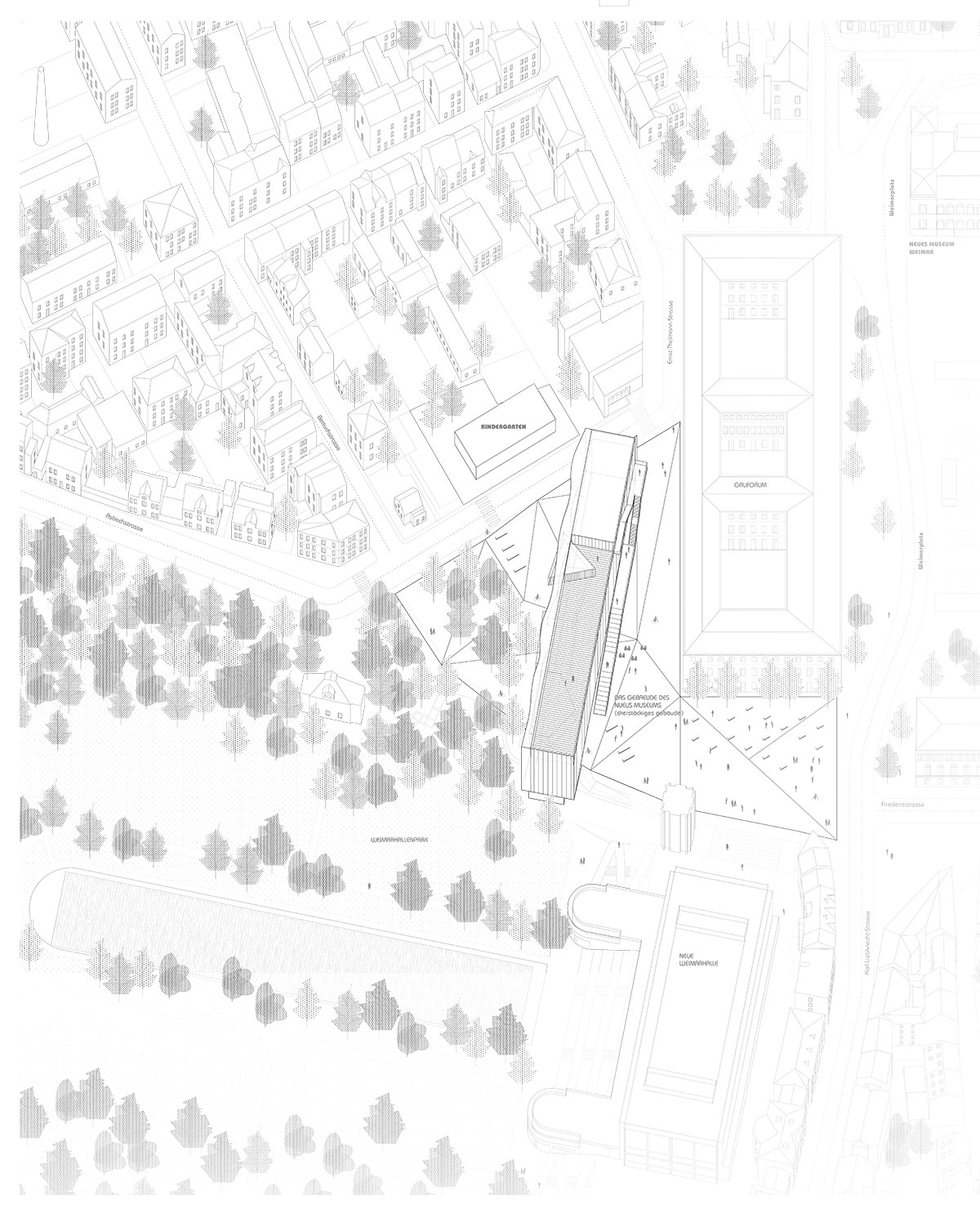
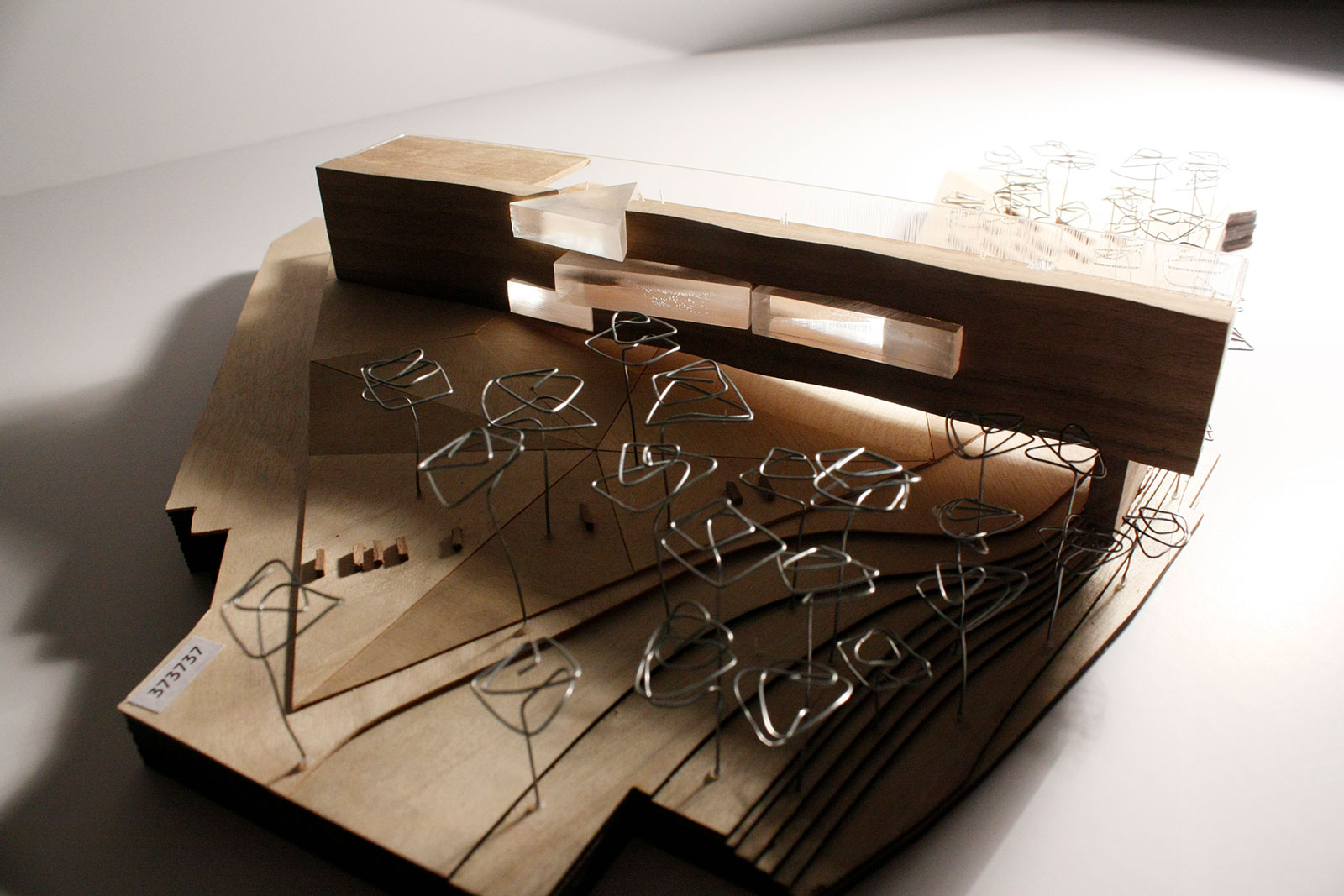
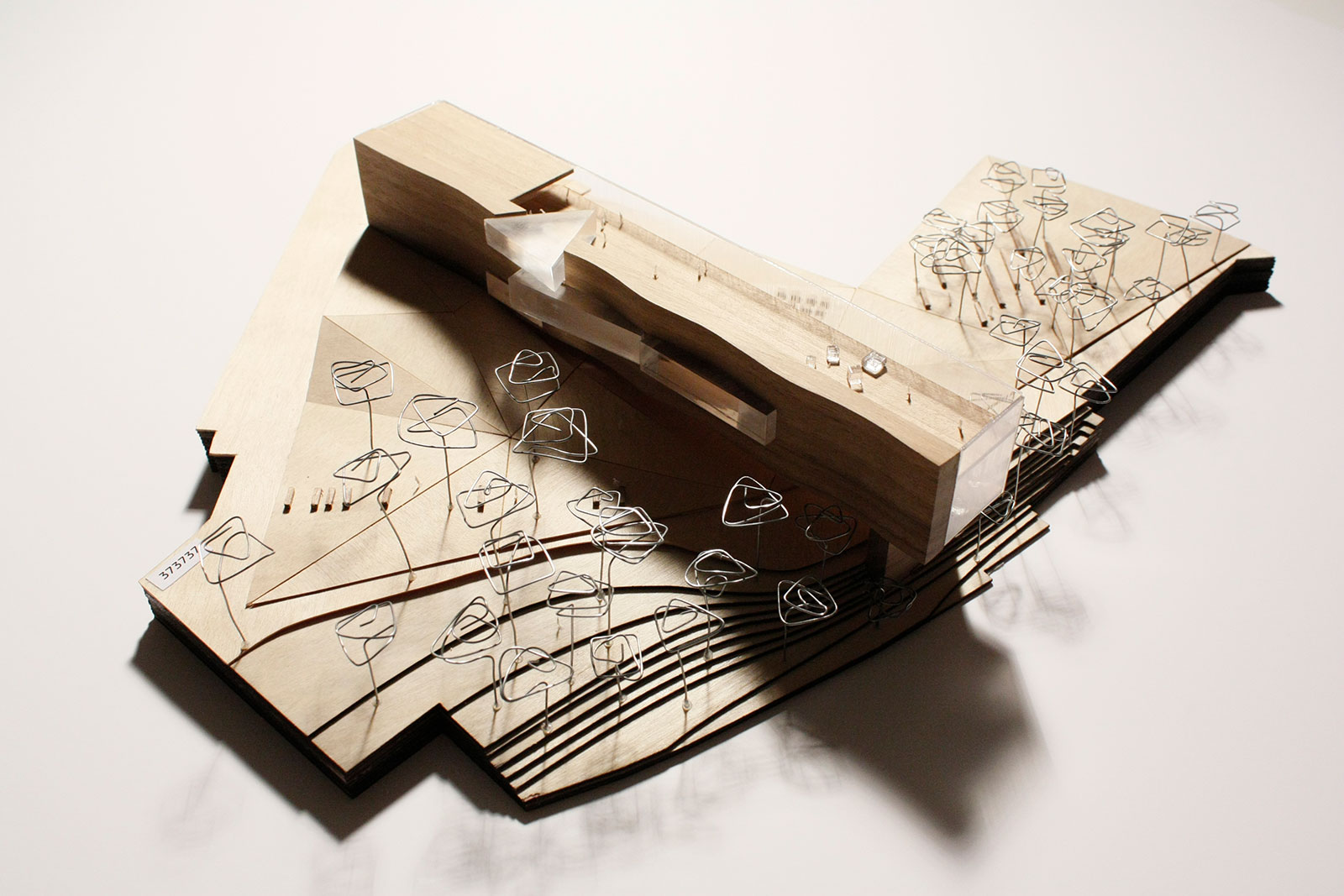
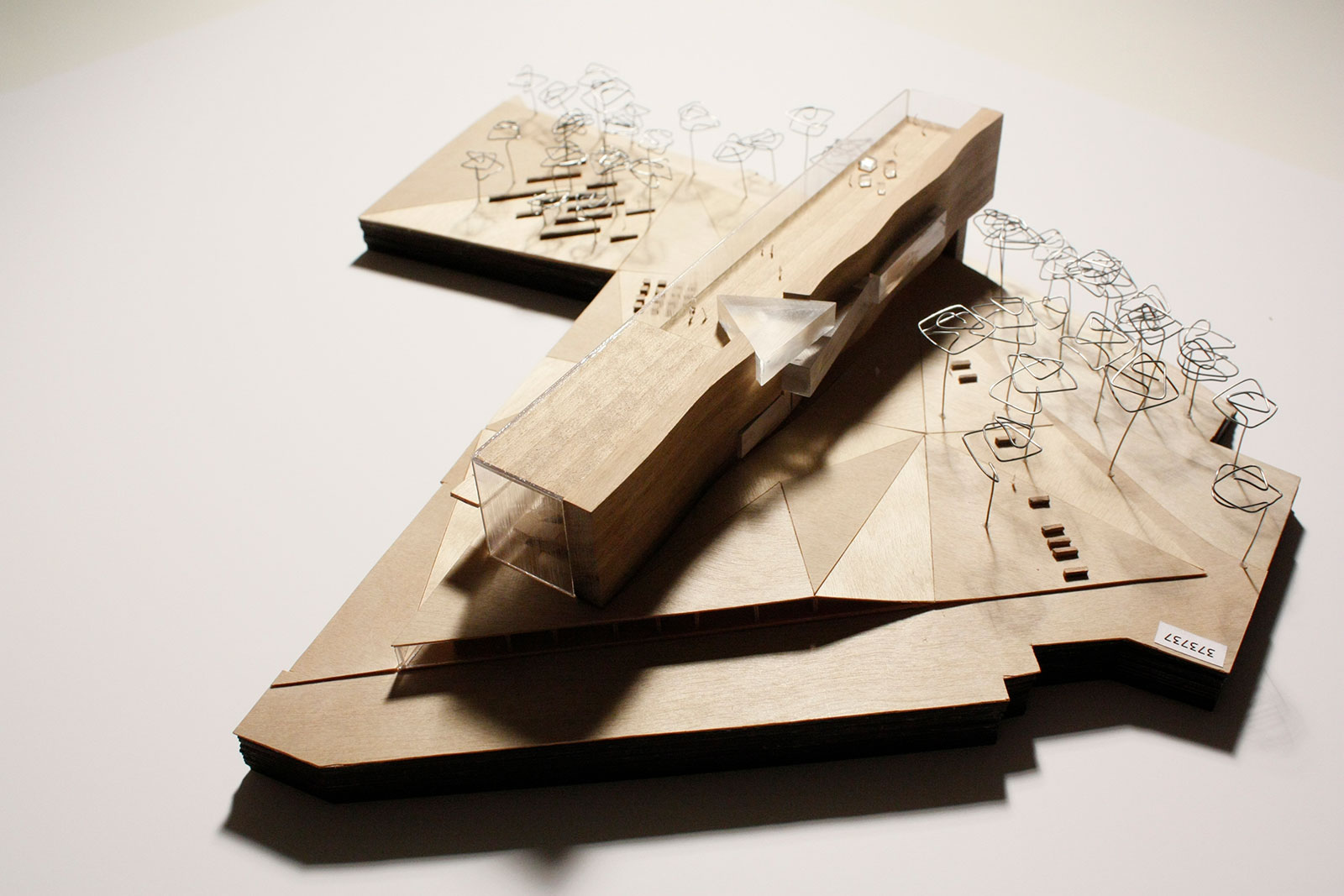
\nOne of the project aims, according to the importance of its programme, was to make a strong presence of the new Museum in an urban situation in which the building of the Gauforum Weimar tends inevitably to having the dominance: this not only through a strong architectural identity, but above all through an urban-scale strategy.
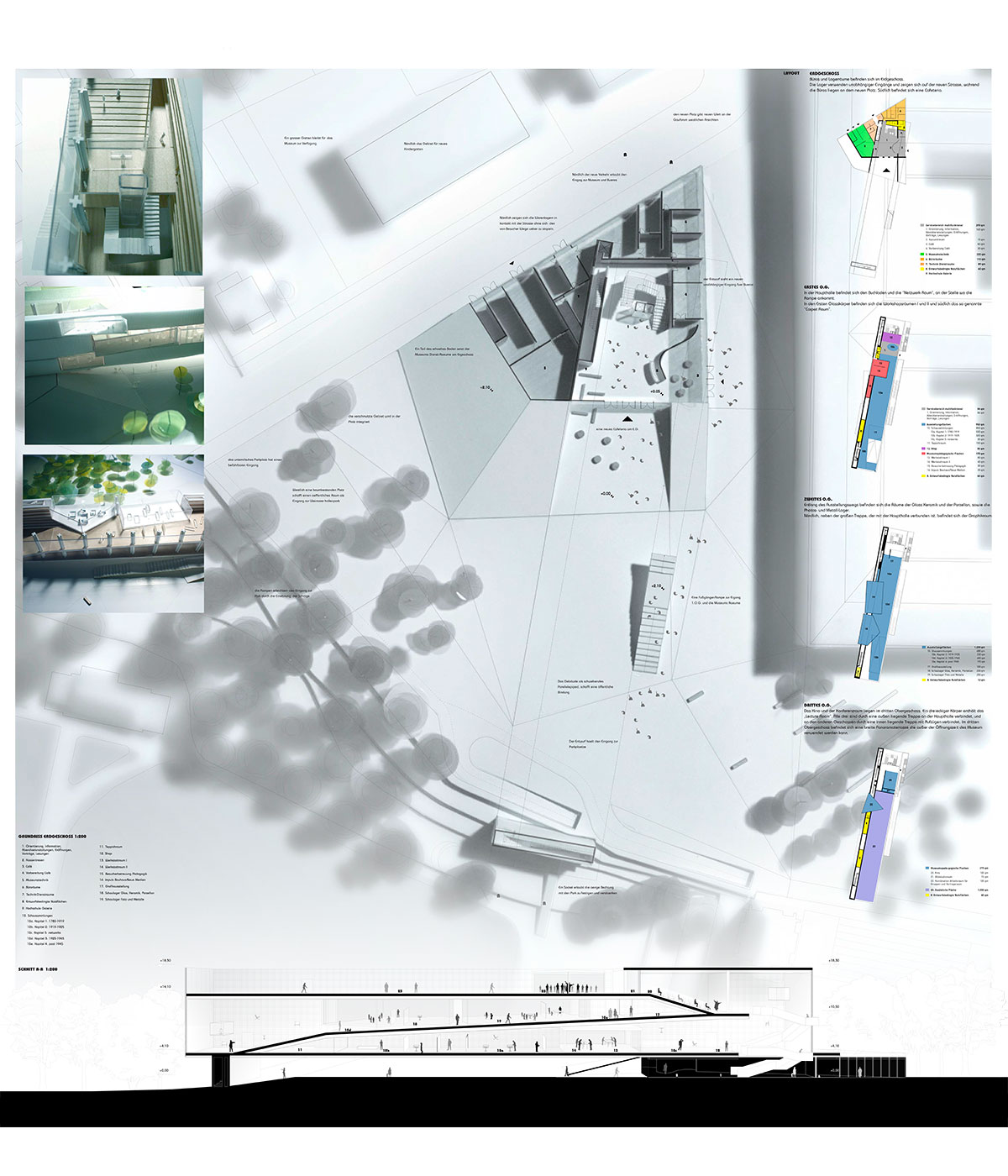
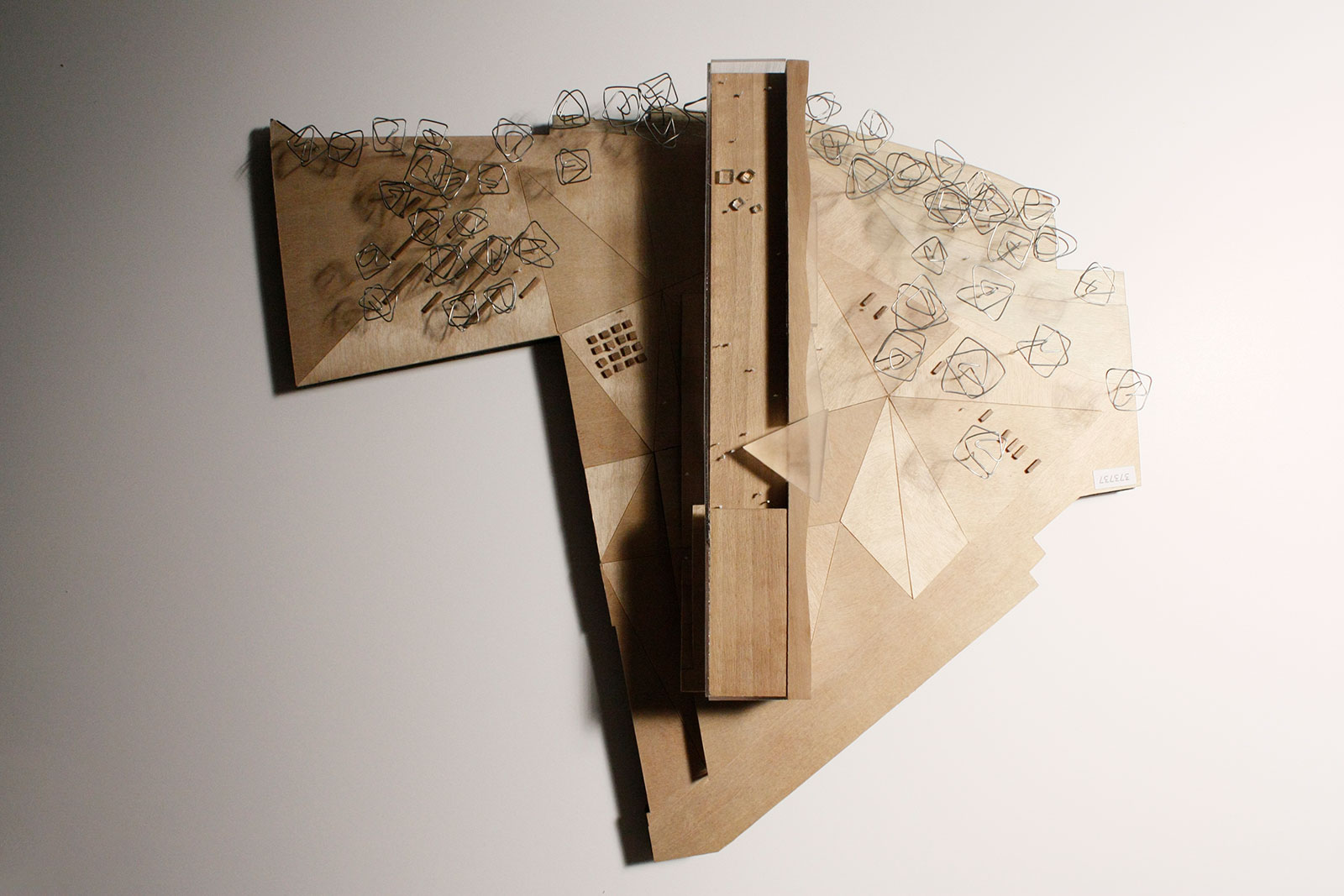
\nAt the same time, the project emphasizes the value of public space through a strategy that tends to eliminate the “fragment” in favor of a single large paved space: that is why it was deleted the axis of Ernst-Th\u00e4lmann-Stra\u00dfe (keeping only the entrance for a mobility dedicated to underground parking) thus creating one unique large square that could give value to the fronts ofexisting buildings as the Congress Centre Neue Weimarhalle and the Gauforum Weimar.
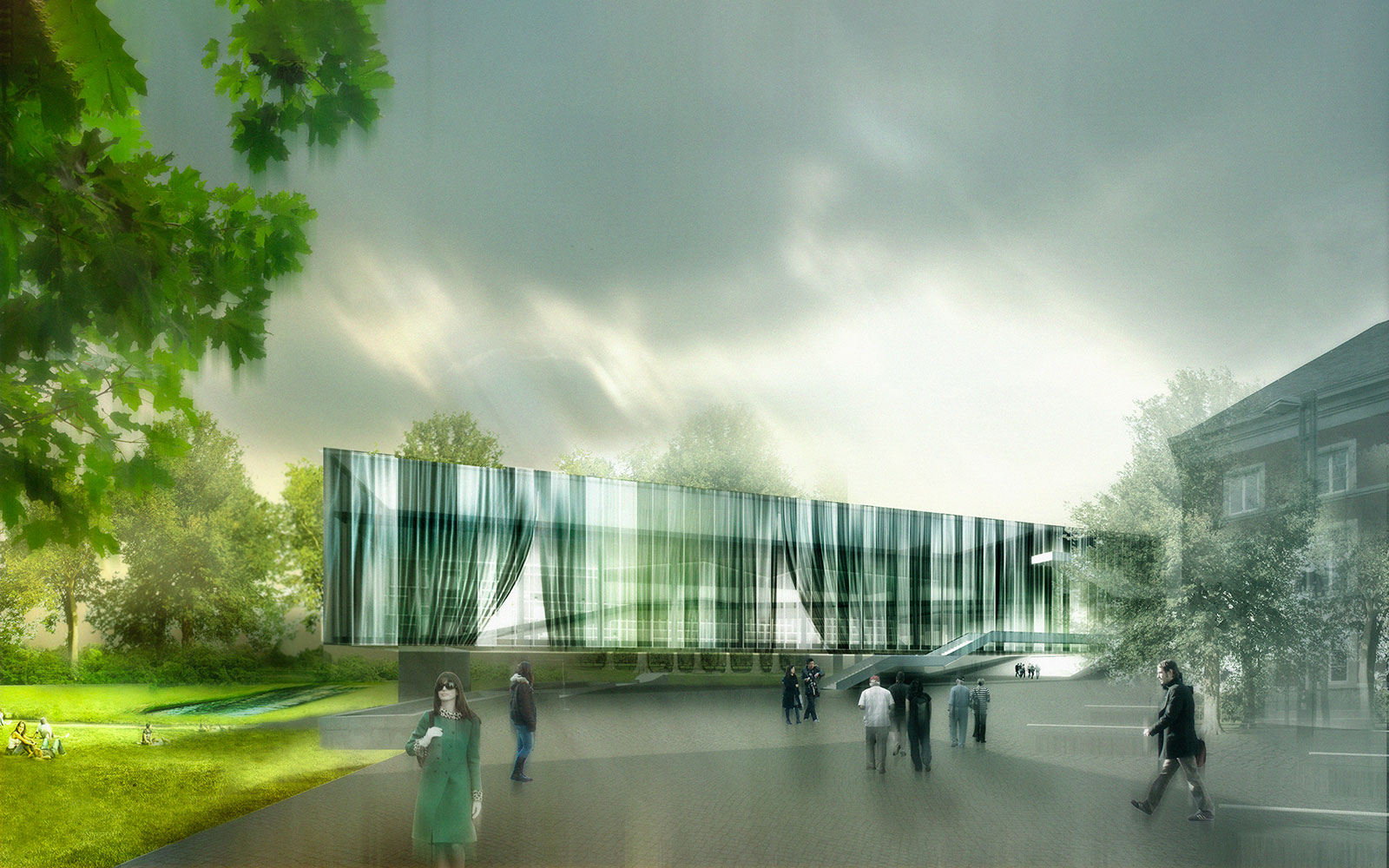
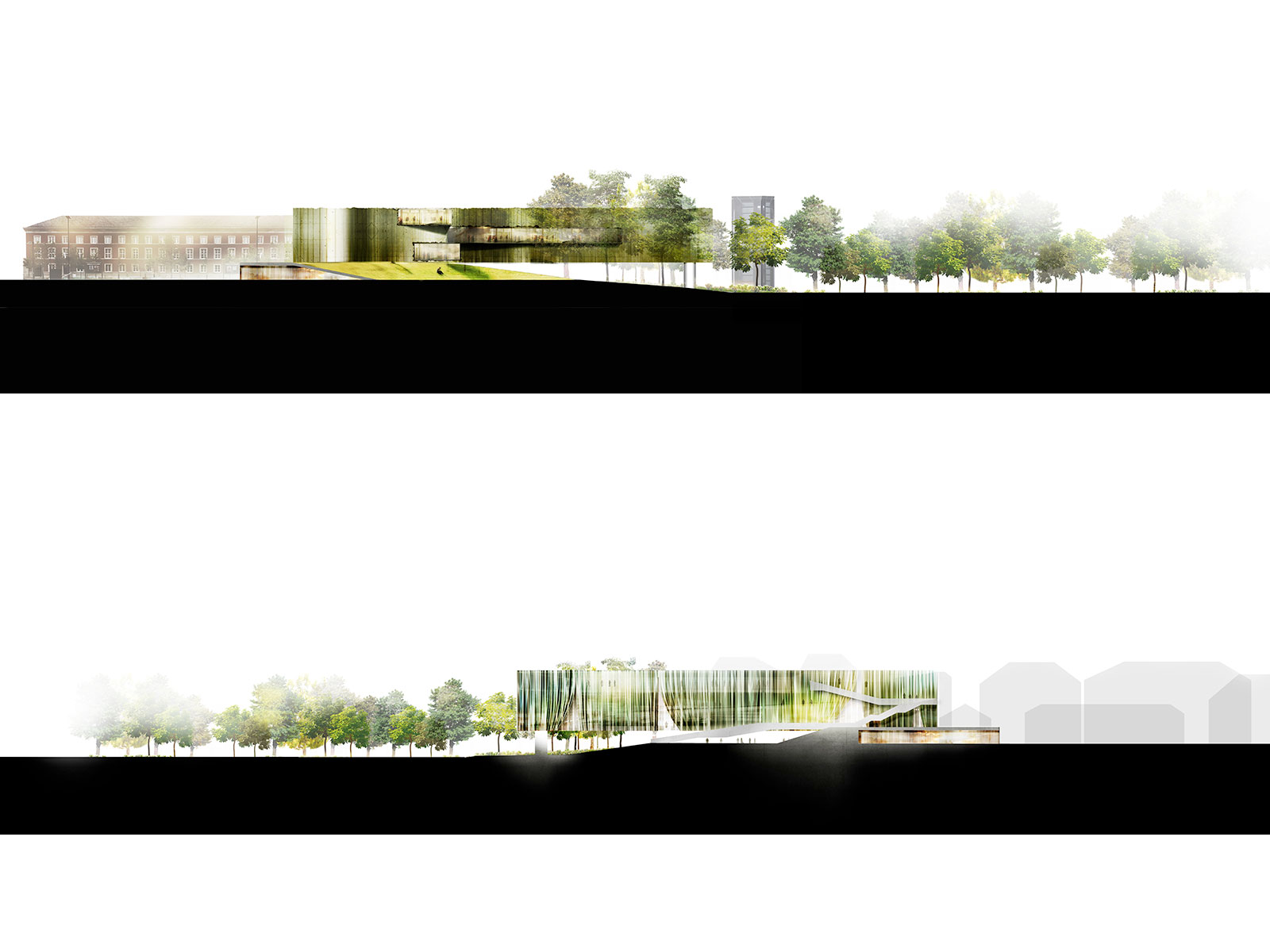
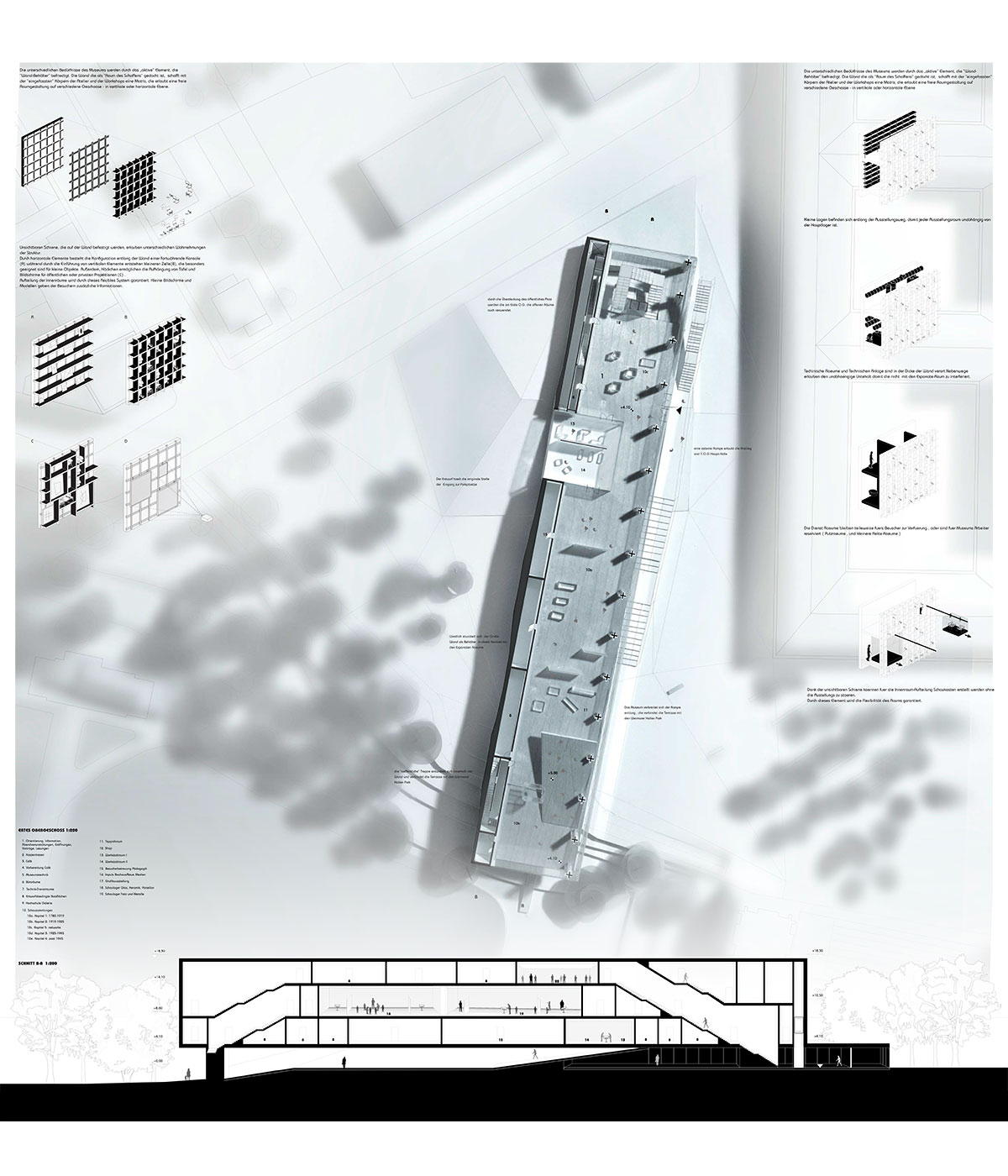
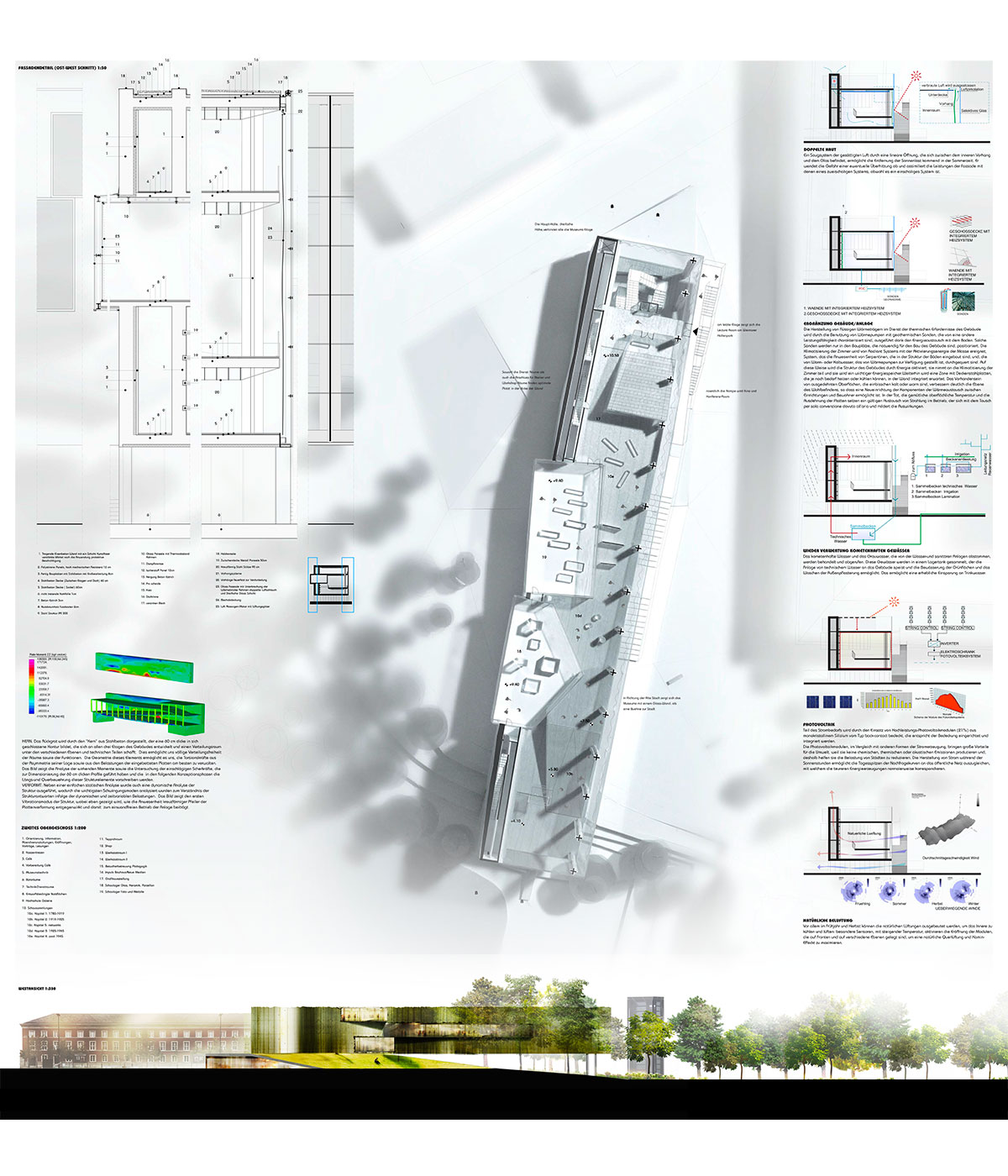
\nThe building, a suspended parallelepiped, is positioned outside of the shape of the Weimar Gauforum, thus emphasizing its presence on the one hand and on the other outlining a strong urban front that defi nes and encloses the new square. It will create in this way a public node in which all the buildings in the area and the park itself will take on a new and greater value. A new locus for Weimar that will take its place in the sequence of public spaces that traverse across the city starting from the large park of Weimar (to the west) to end in the large natural park (in the east).
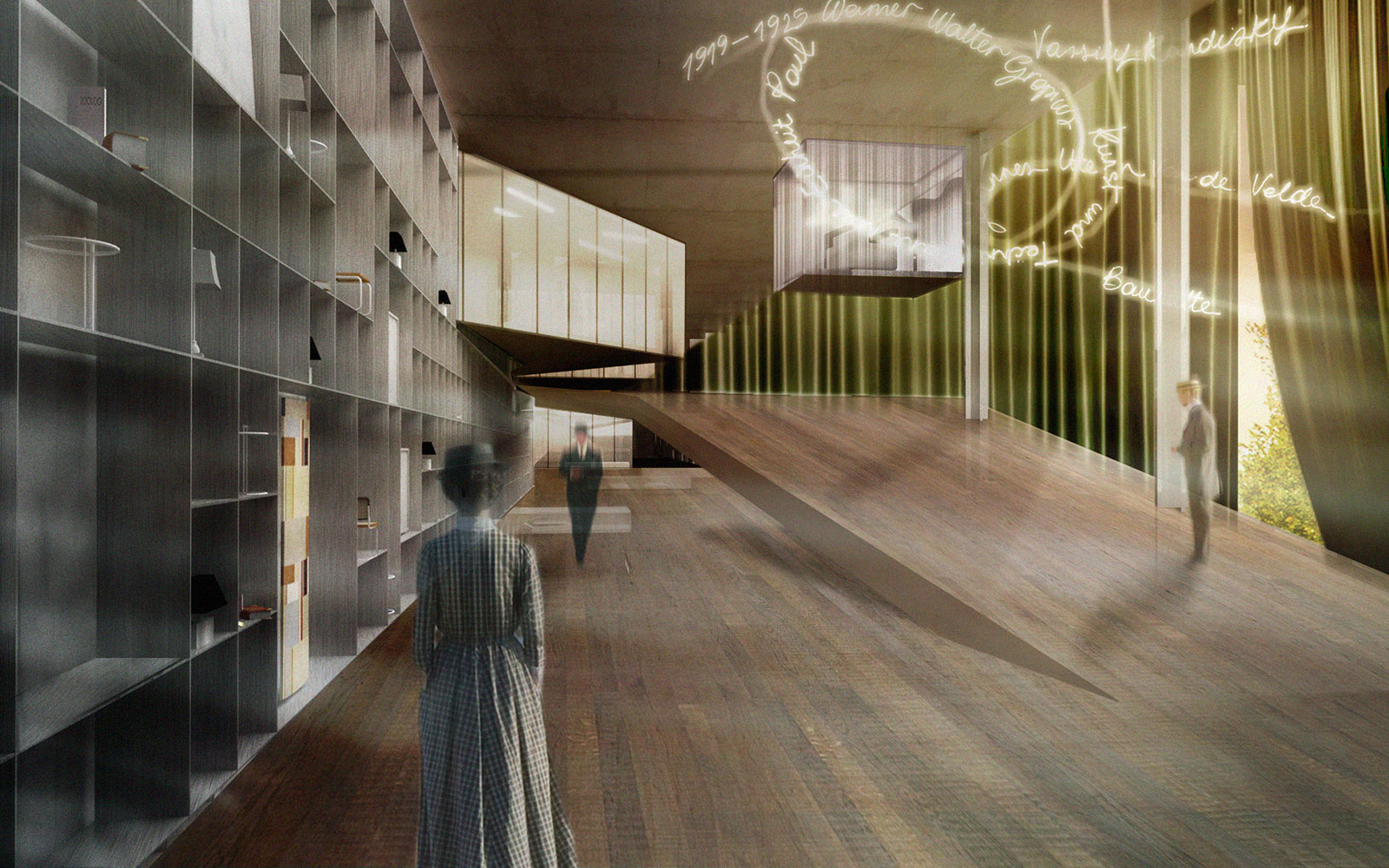
\nThe future kindergarden area lies to the North, near the existing Church and the northernmost Museum front characterized by the presence of multifunctional spaces located below a “slot” created by the flooring tissue and that also promotes, among other things, the Visual and acoustic isolation of the new axis to the North.
\nThe choice to represent the Bauhaus has been not through the use of certain materials or technological, formal or constructive choices, but underlining his purposeful and breaking character in relation to the physical and cultural context of the time. The new Museum, in fact, does not propose any mimetic desire with the context flaunting indeed his \u201cinnovative\u201d character.\n<\/div>\n","protected":false},"excerpt":{"rendered":"
New Bauhaus Museum Weimar, Germany 2012 total area: 4 752 m2 floor area: 3 455 m2 client: Klassik Stiftung Weimar project: Alfonso Femia * with structural engineering: IQuadro Ingegneria services and environmental engineering: AI Studio architectural model: \u00a9Atelier(s) Alfonso Femia … Continue reading →<\/span><\/a><\/p>\n","protected":false},"author":1,"featured_media":6017,"comment_status":"closed","ping_status":"closed","sticky":false,"template":"","format":"standard","meta":{"footnotes":""},"categories":[135],"tags":[2292,2294,712,1534,1044,824,1147,839,1827,1351,2293],"class_list":["post-2027","post","type-post","status-publish","format-standard","has-post-thumbnail","hentry","category-museums","tag-bauhaus-museum","tag-germany","tag-innovation","tag-kindergarten","tag-museum","tag-park","tag-parking","tag-project","tag-public-spaces","tag-square","tag-weimar","siglaprog-cwm"],"_links":{"self":[{"href":"https:\/\/www.atelierfemia.com\/en\/wp-json\/wp\/v2\/posts\/2027","targetHints":{"allow":["GET"]}}],"collection":[{"href":"https:\/\/www.atelierfemia.com\/en\/wp-json\/wp\/v2\/posts"}],"about":[{"href":"https:\/\/www.atelierfemia.com\/en\/wp-json\/wp\/v2\/types\/post"}],"author":[{"embeddable":true,"href":"https:\/\/www.atelierfemia.com\/en\/wp-json\/wp\/v2\/users\/1"}],"replies":[{"embeddable":true,"href":"https:\/\/www.atelierfemia.com\/en\/wp-json\/wp\/v2\/comments?post=2027"}],"version-history":[{"count":0,"href":"https:\/\/www.atelierfemia.com\/en\/wp-json\/wp\/v2\/posts\/2027\/revisions"}],"wp:featuredmedia":[{"embeddable":true,"href":"https:\/\/www.atelierfemia.com\/en\/wp-json\/wp\/v2\/media\/6017"}],"wp:attachment":[{"href":"https:\/\/www.atelierfemia.com\/en\/wp-json\/wp\/v2\/media?parent=2027"}],"wp:term":[{"taxonomy":"category","embeddable":true,"href":"https:\/\/www.atelierfemia.com\/en\/wp-json\/wp\/v2\/categories?post=2027"},{"taxonomy":"post_tag","embeddable":true,"href":"https:\/\/www.atelierfemia.com\/en\/wp-json\/wp\/v2\/tags?post=2027"}],"curies":[{"name":"wp","href":"https:\/\/api.w.org\/{rel}","templated":true}]}}