



Milan (Italy)
2018-2022
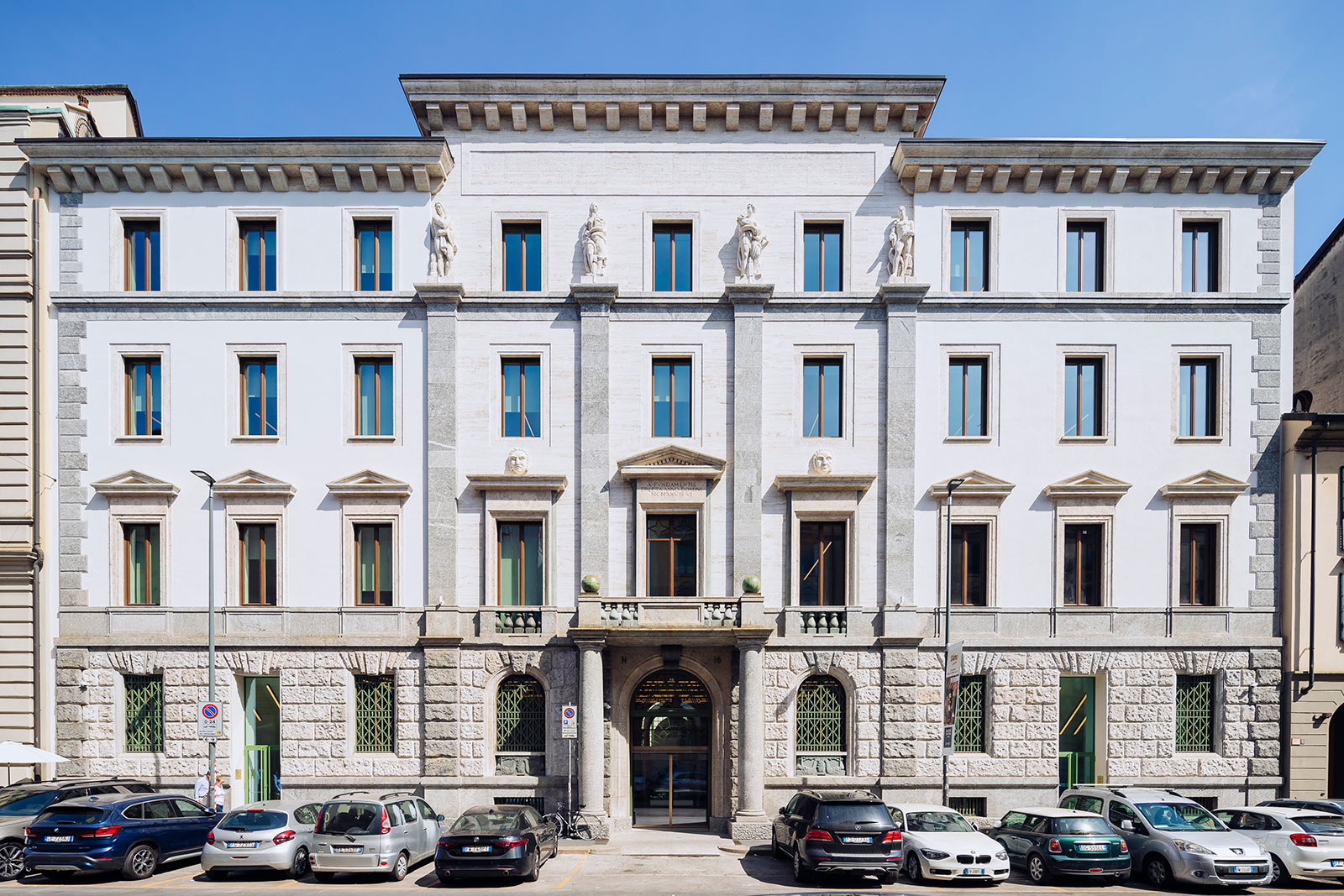
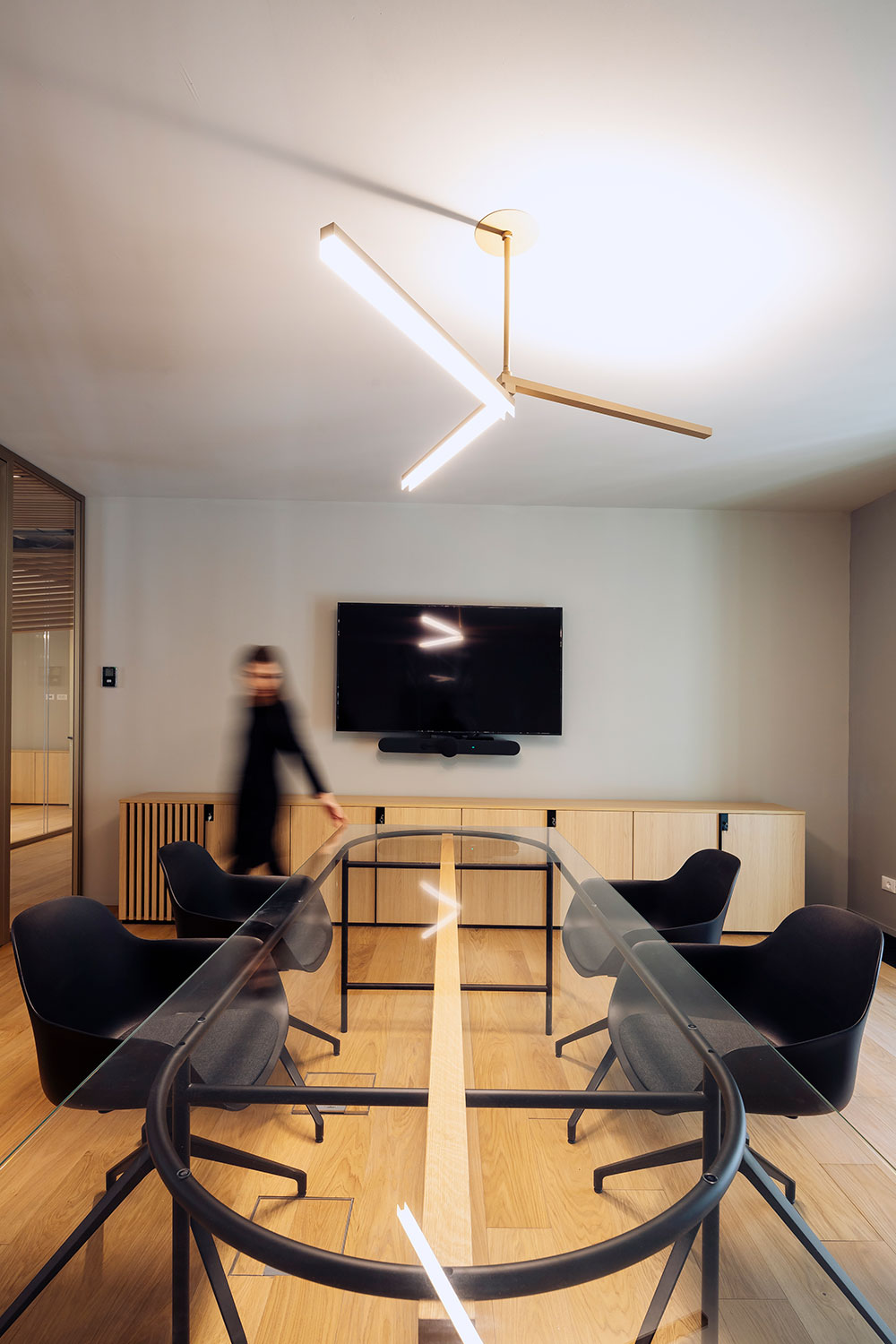
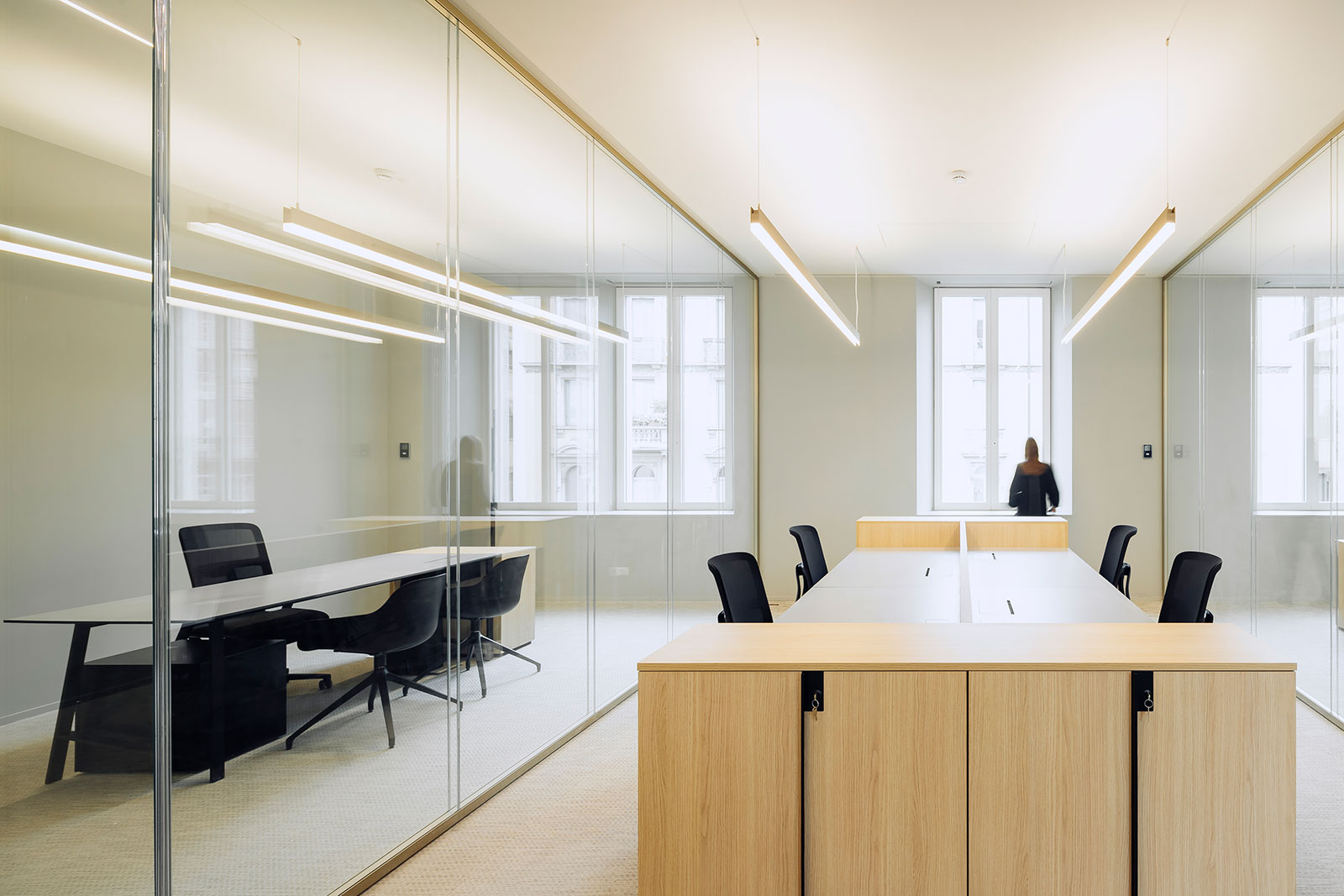
program: Rehabilitation and renovation of the building on Via Caradosso 16 in Milan with main destination for offices. It is characterized by a basement floor, a semi-basement floor and 5 floors above ground (including the fourth attic floor currently used for plant systems)
> area: 3.219 m2
client: Caradosso 16 Srl
Alfonso Femia / Atelier(s) Alfonso Femia with
services and structural engineering: BMS Progetti Srl
legal advice: Leone – Torrani e Associati
lighting design: Alfonso Femia/AF*Design con IN-VISIBLE lab
photos: ©S. Anzini
AWARDS: PALMARÈS AMO 2024, TRANSEUROPARCHI, FRANCE-ITALY – Project shortlisted in the « TransEuropArchi » category for the AMO 2024 Award
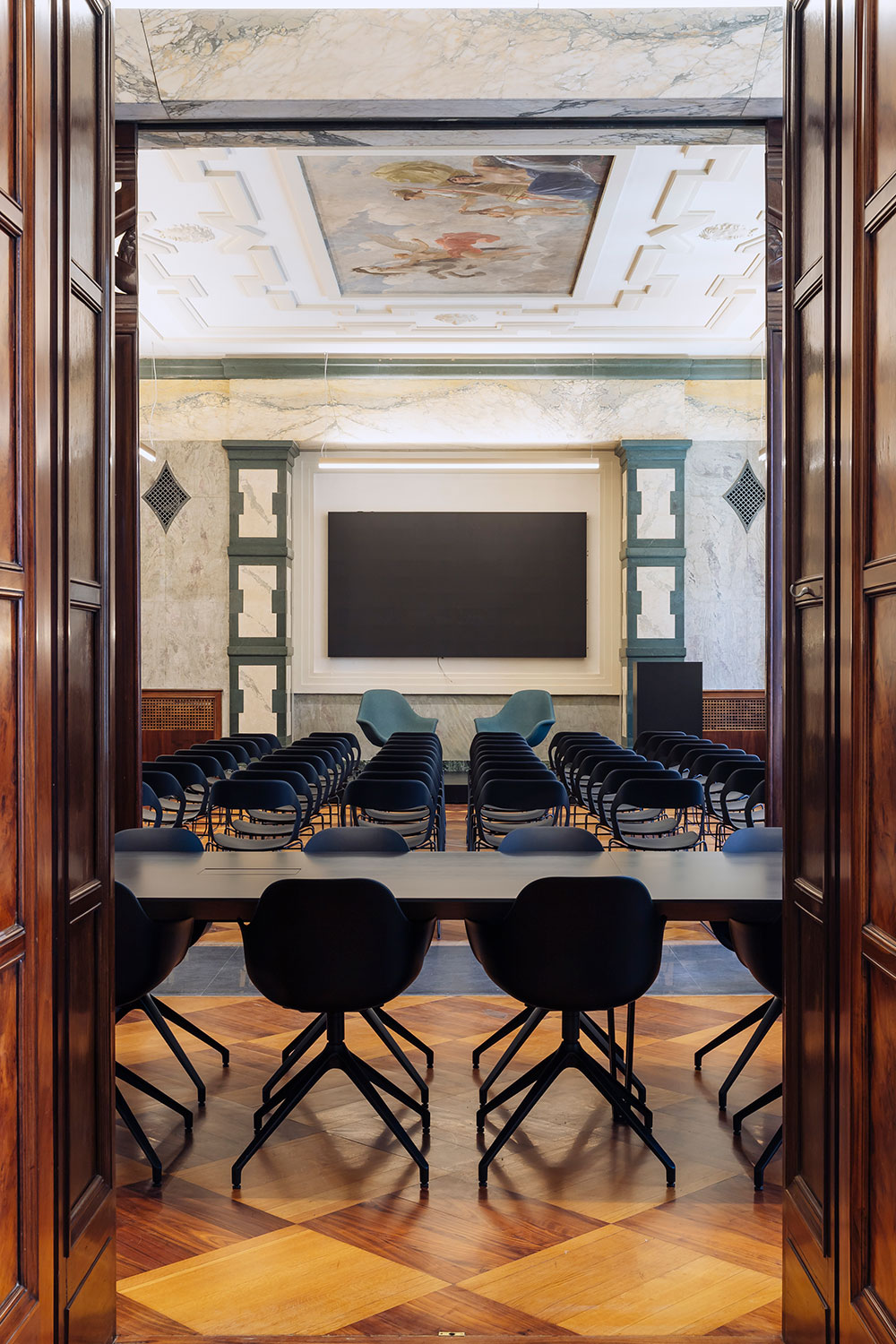
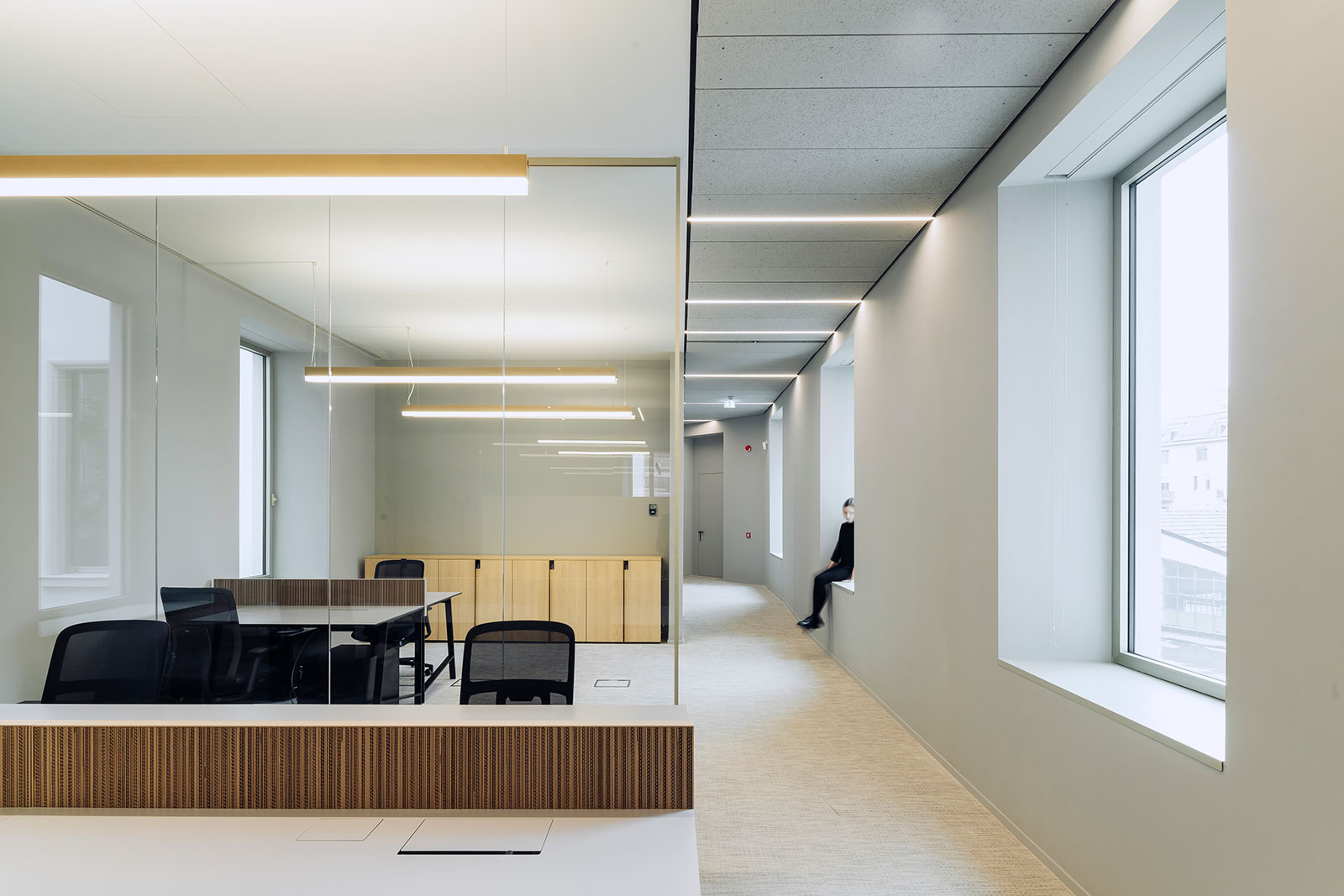
1. The main objective of the project was to enhance all the existing spaces of the building through a careful distribution and organization of the functional program. Every choice was made following a thorough analysis of the spaces—from the historical rooms to the typical floors, from the basement to the attic level.
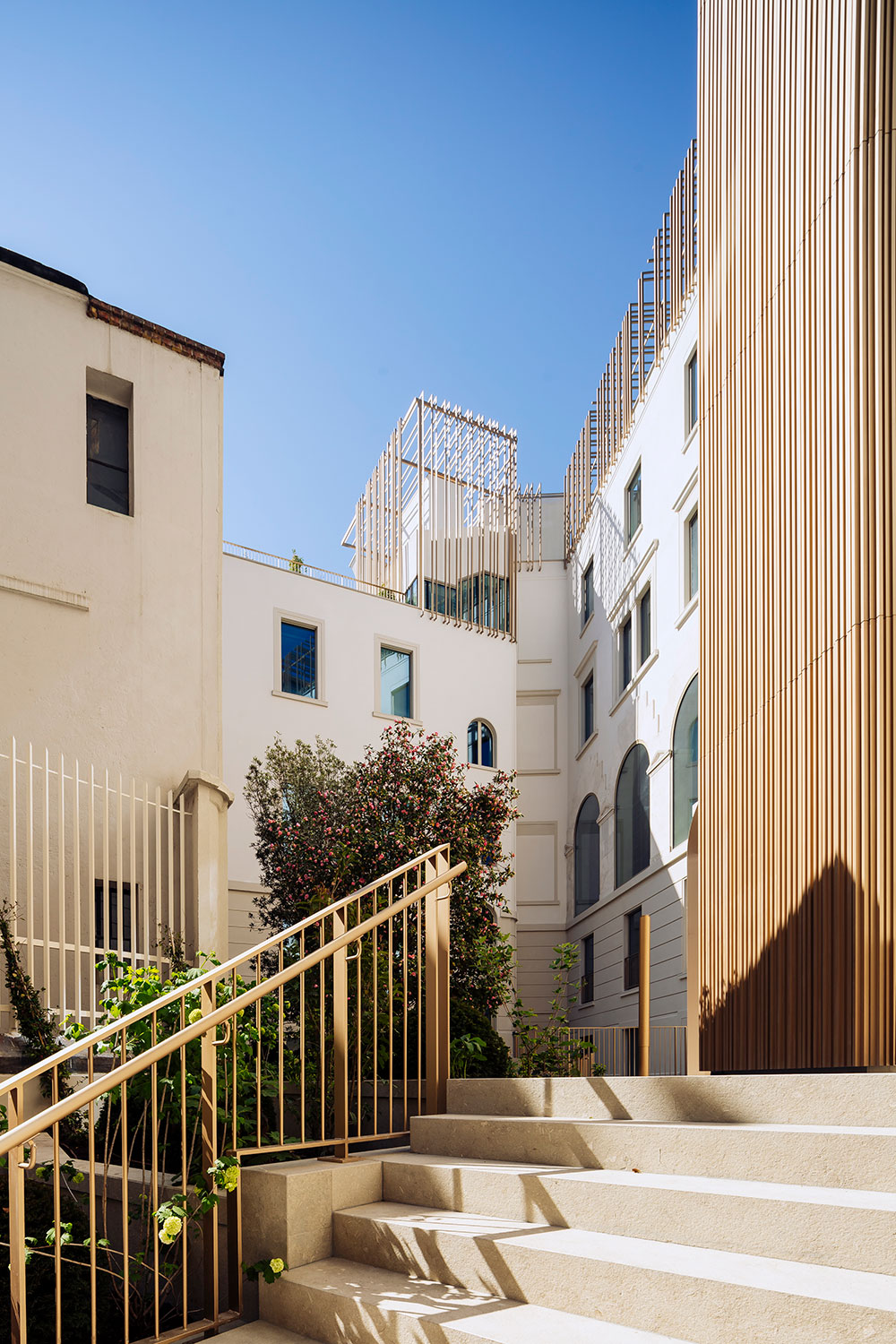
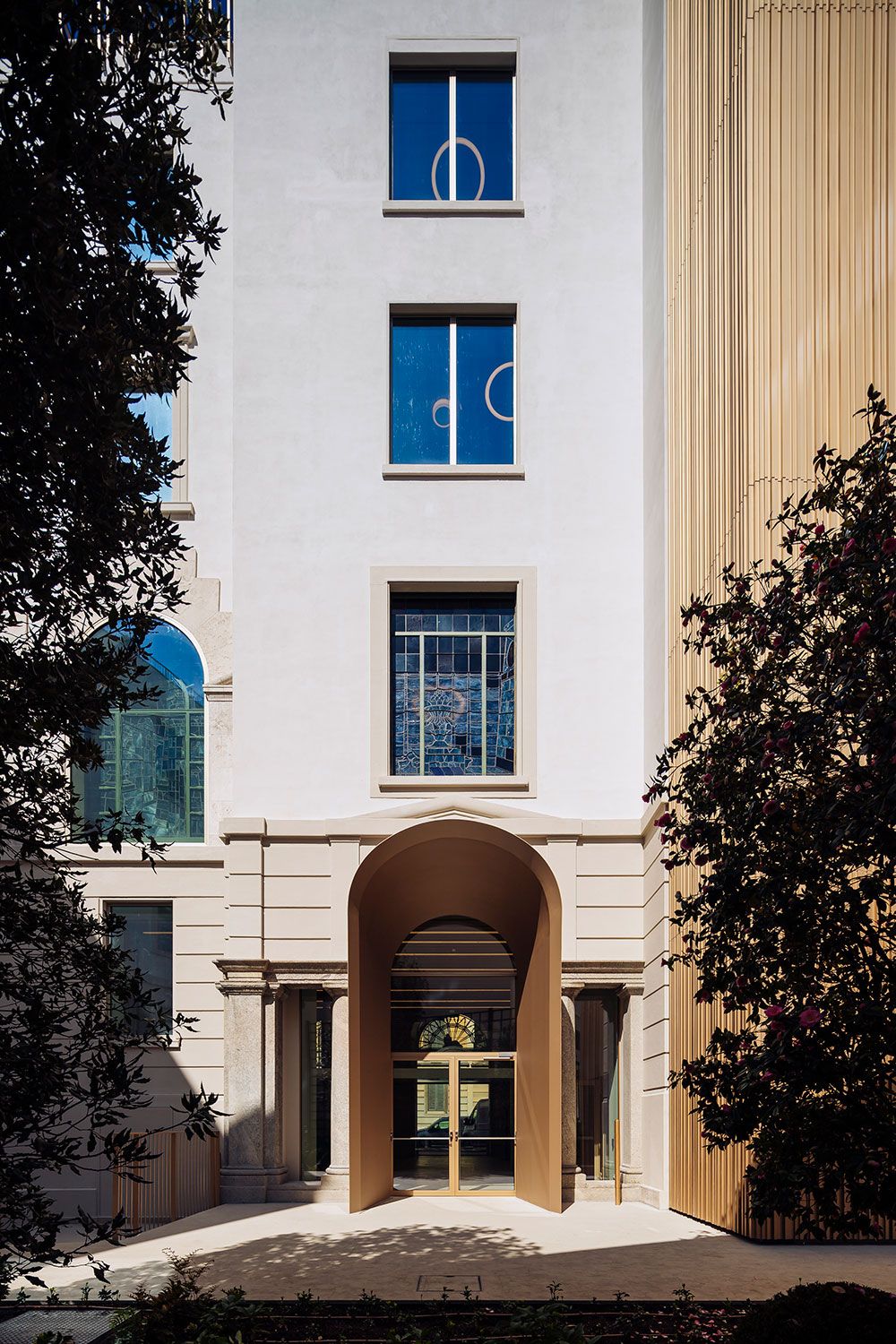
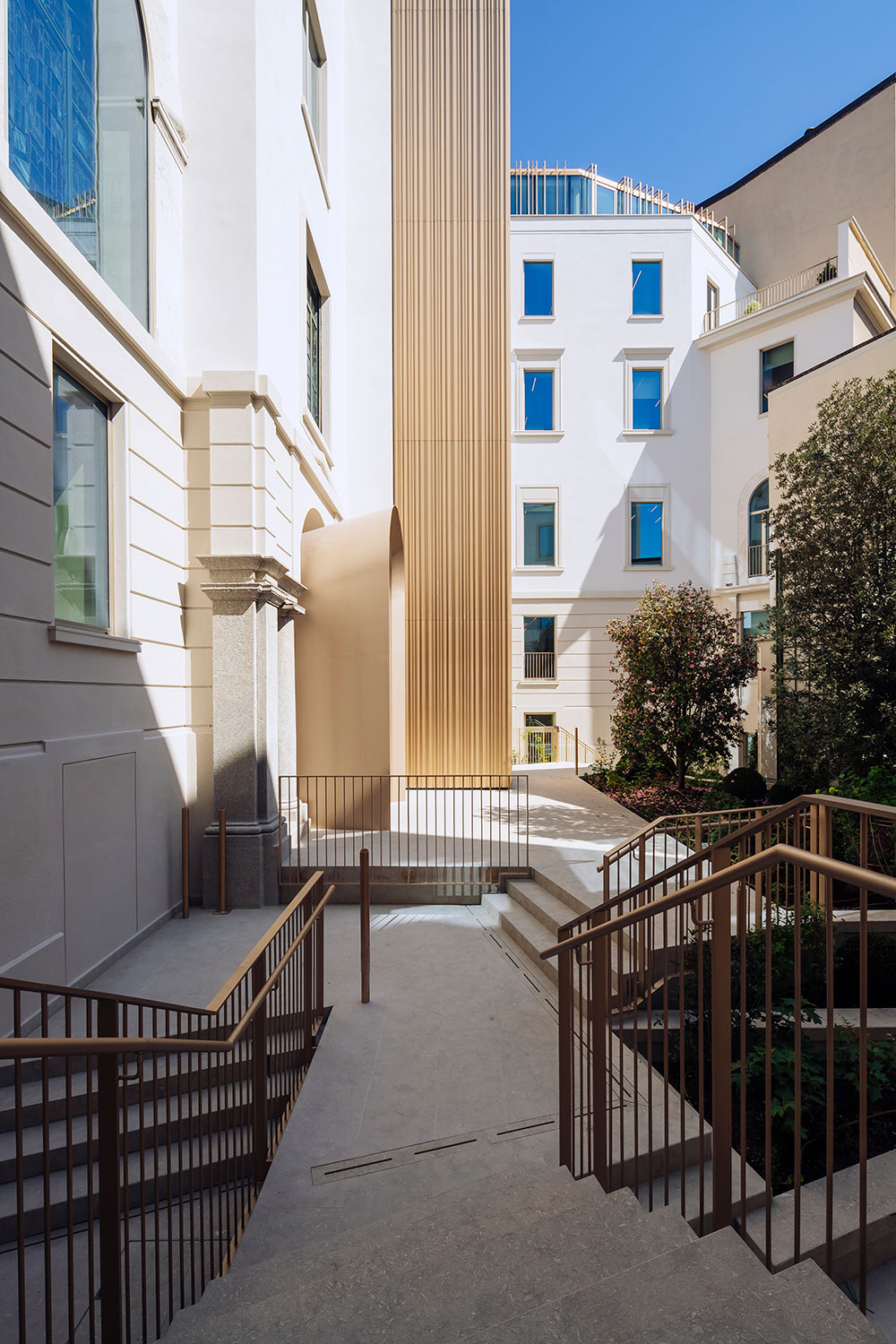
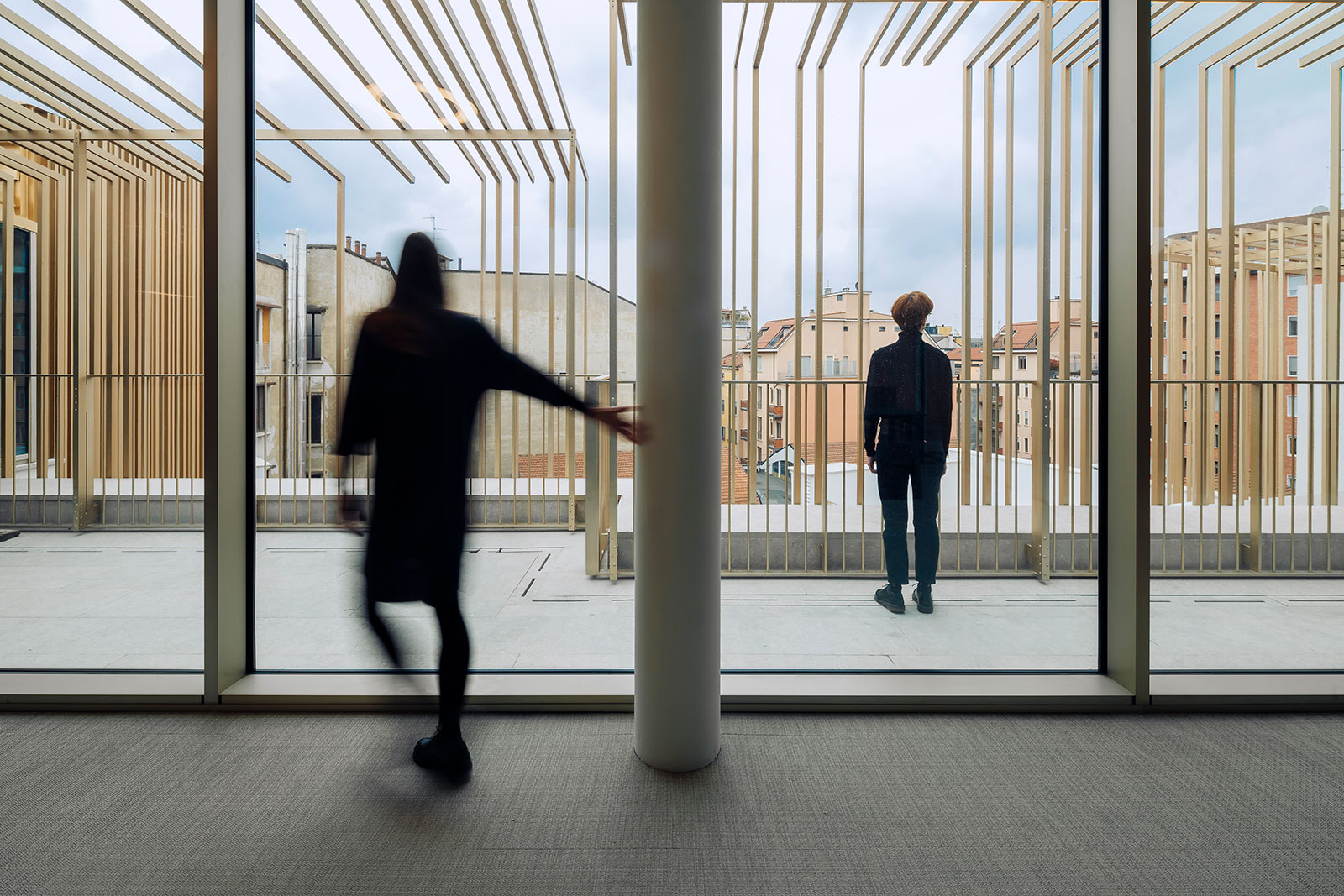
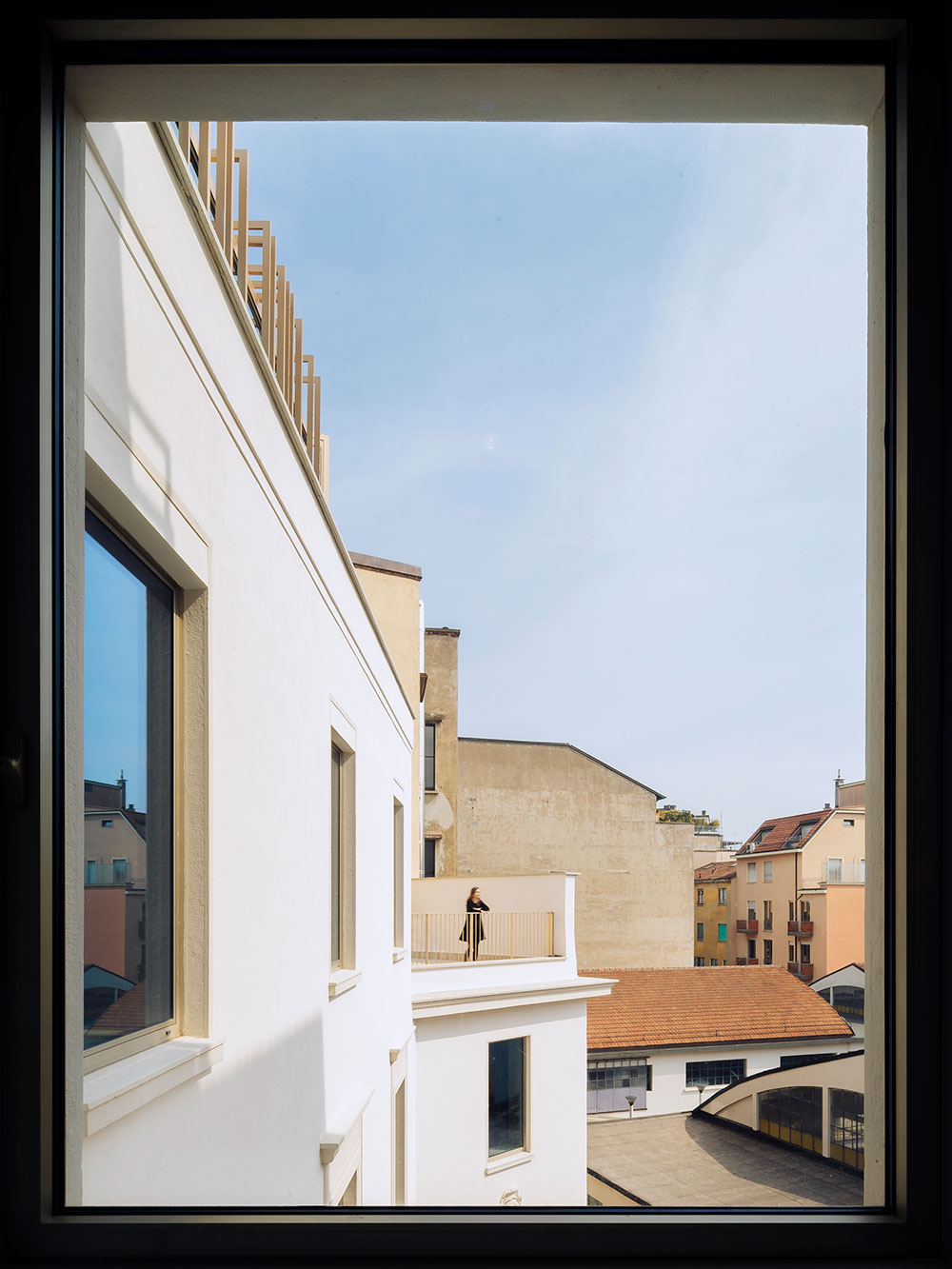
2. In addition to the façade on Via Caradosso, which was completely cleaned and restored, one of the project’s distinctive features is the central courtyard. Initially in poor condition, it nevertheless represented a valuable secondary outlook for all the offices. The presence of a green area has now been transformed by the project into a high-quality space for the offices, allowing natural light to reach the entire basement floor and making it fully usable.
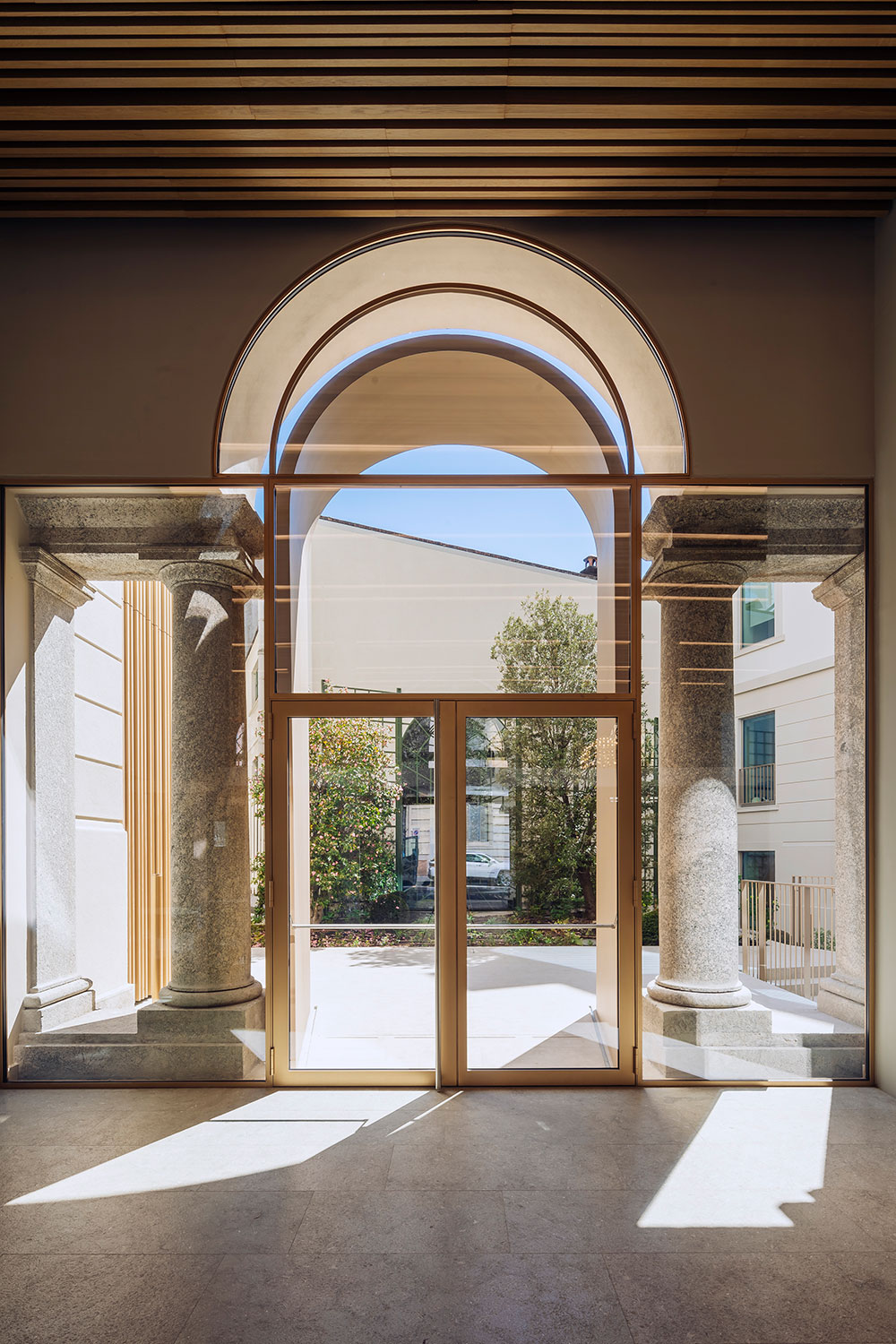
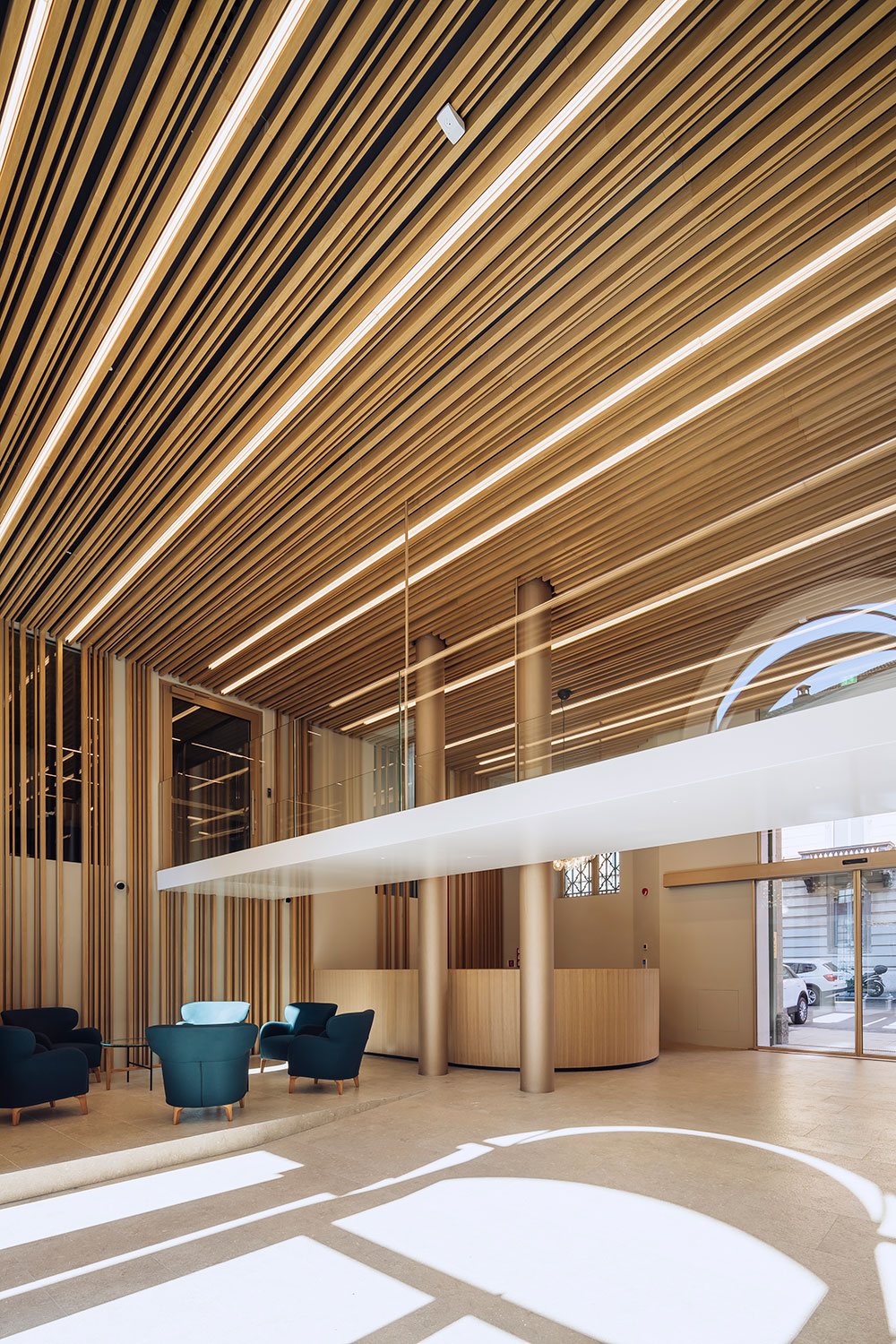
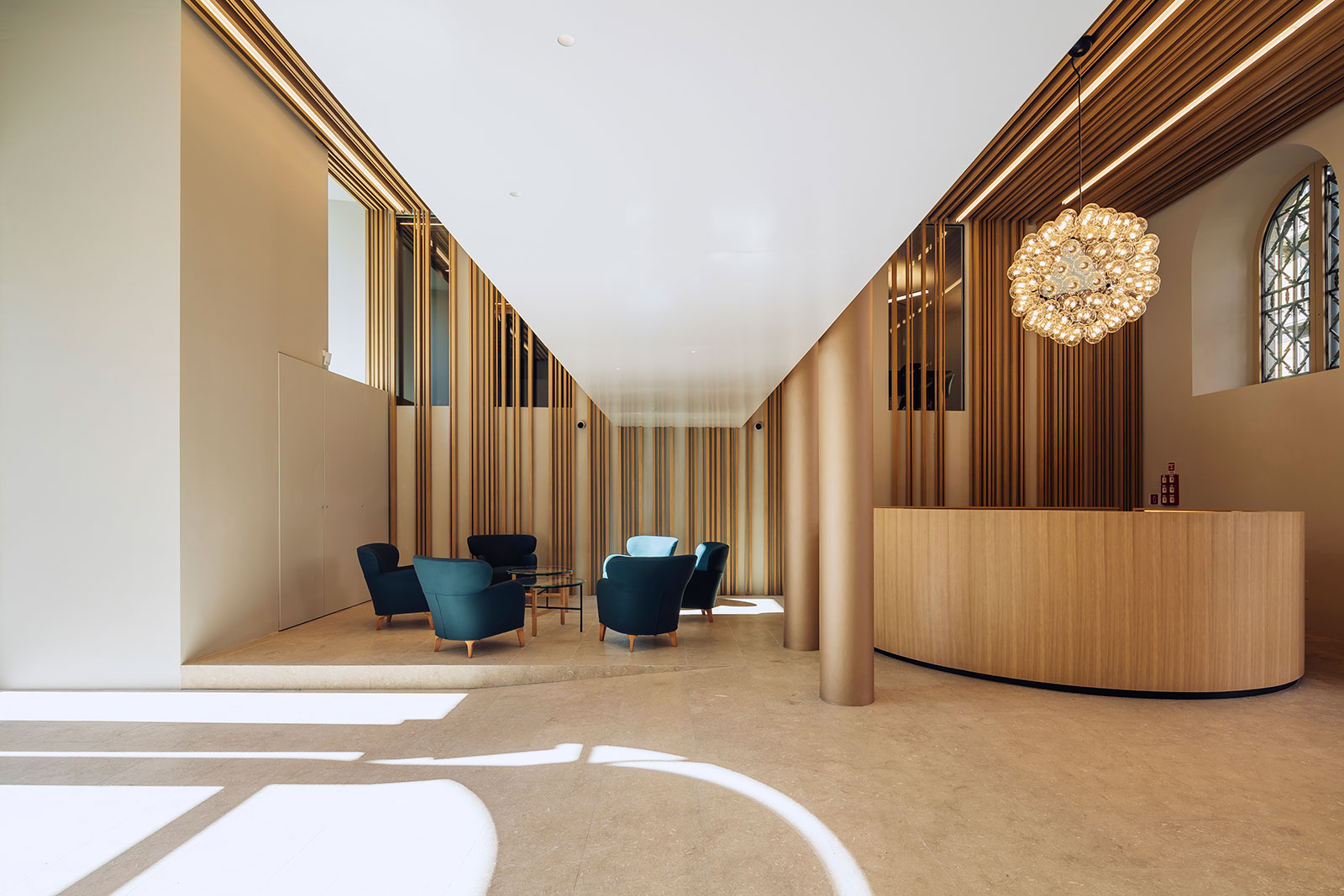
3. One of the most significant aspects developed by the project is the new hall. The design involved “emptying” and freeing the central space on the ground floor, creating double heights and full transparency between the street and the courtyard garden. From the outside, the hall is perceived as a bright, transparent space—a place to pause and experience—a true calling card for clients, Ersel employees, and Milan’s citizens.
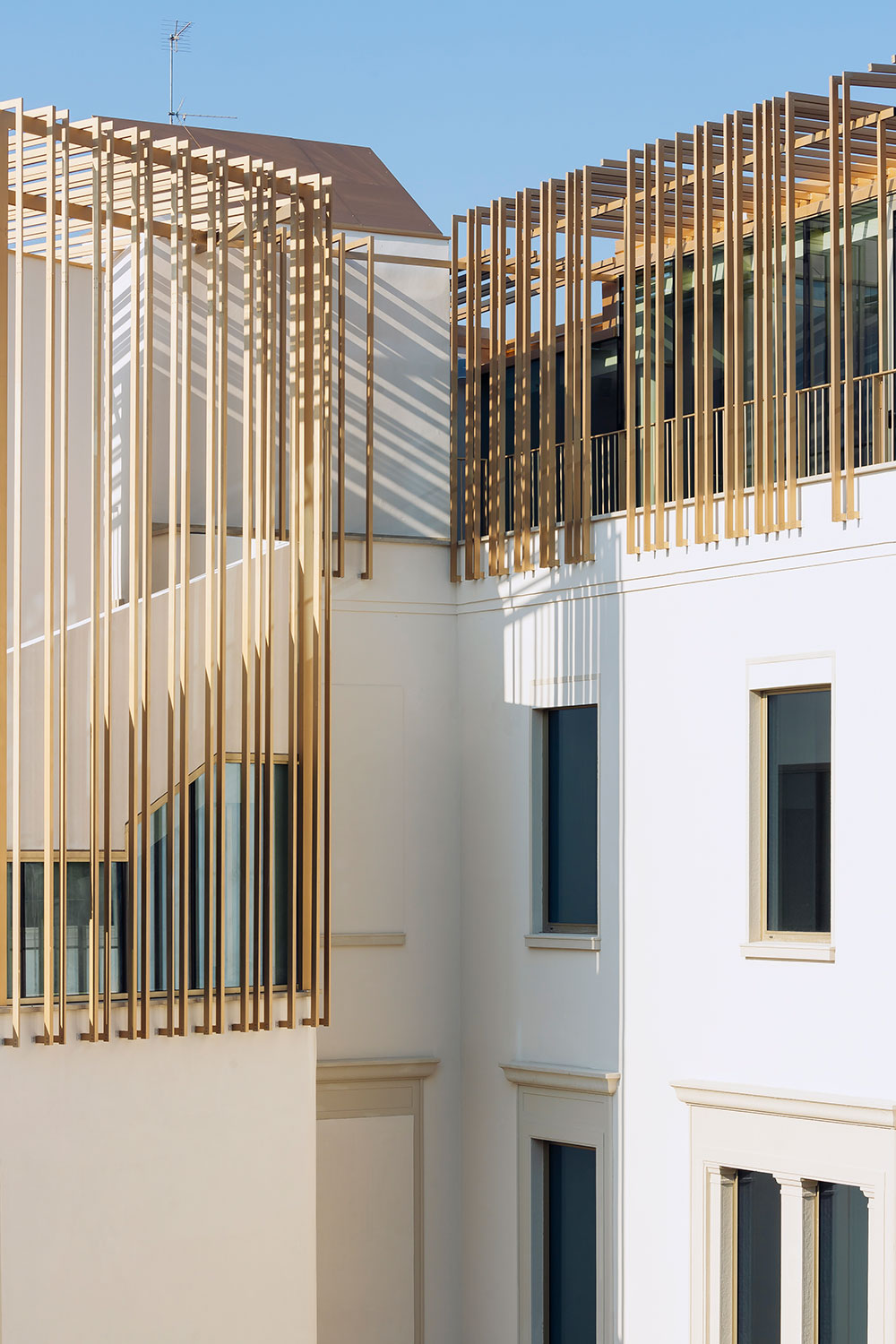
4. The project optimizes the use of the gross floor area (GFA) and recovers existing GFA surfaces that were relocated to new office spaces, such as in the basement and attic floors.
5. The redevelopment of the entire building also included energy upgrading. Both passive and active strategies were applied, with a complete replacement of all systems (mechanical, electrical, data), now managed by automated control systems.
6. An administrative process was adopted that allowed for the optimization of both design time and costs.
7. The presence of an integrated project team—where Engineering, Architecture, and Interior Design worked in constant dialogue within the same “team”—made it possible to achieve a project of higher quality and, above all, to define an optimized working methodology.