



Naples (Italy)
competition 2025
program: Construction of the Naples Garibaldi-East district multimodal hub and urban regeneration of the existing railway sites, construction of the Campania Region headquarters
surface: 158.500 sqm
contracting authority: Region of Campania
project: Alfonso Femia / Atelier(s) Alfonso Femia with Od’A Officina d’Architettura srl and AREP
engineering: Artelia
images: ©Alfonso Femia / Atelier(s) Alfonso Femia & Diorama
Urban Stitching and Public Space
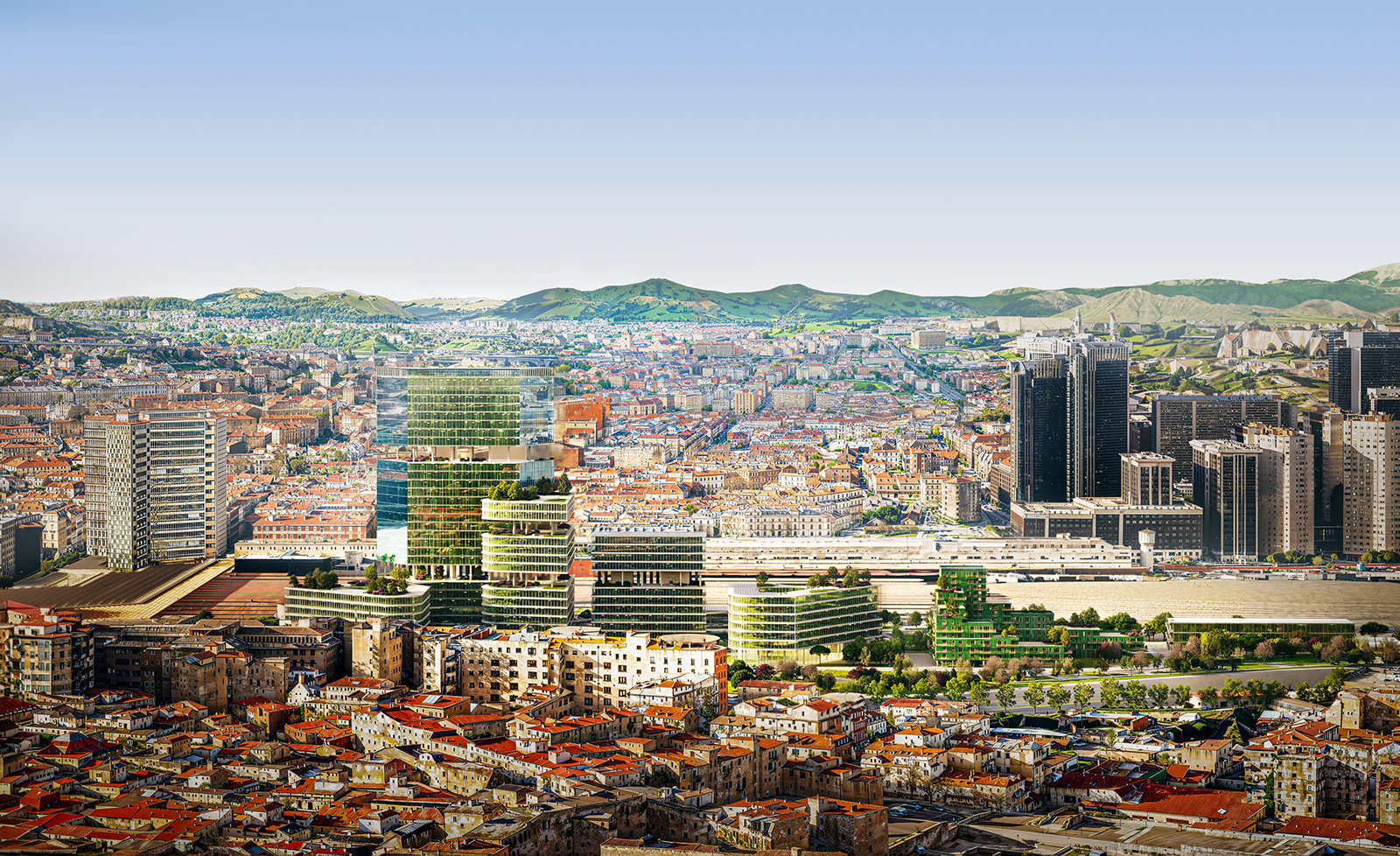
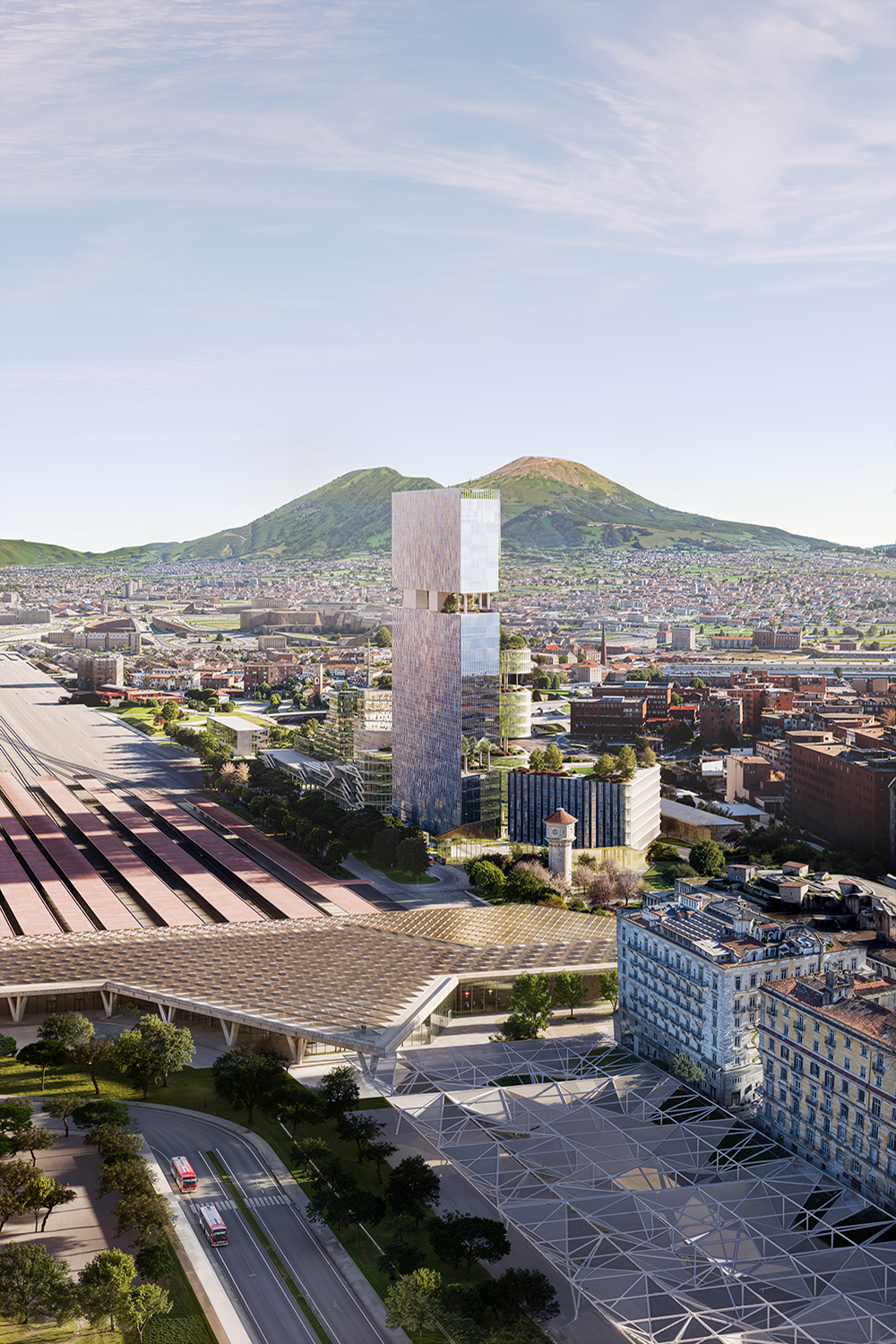
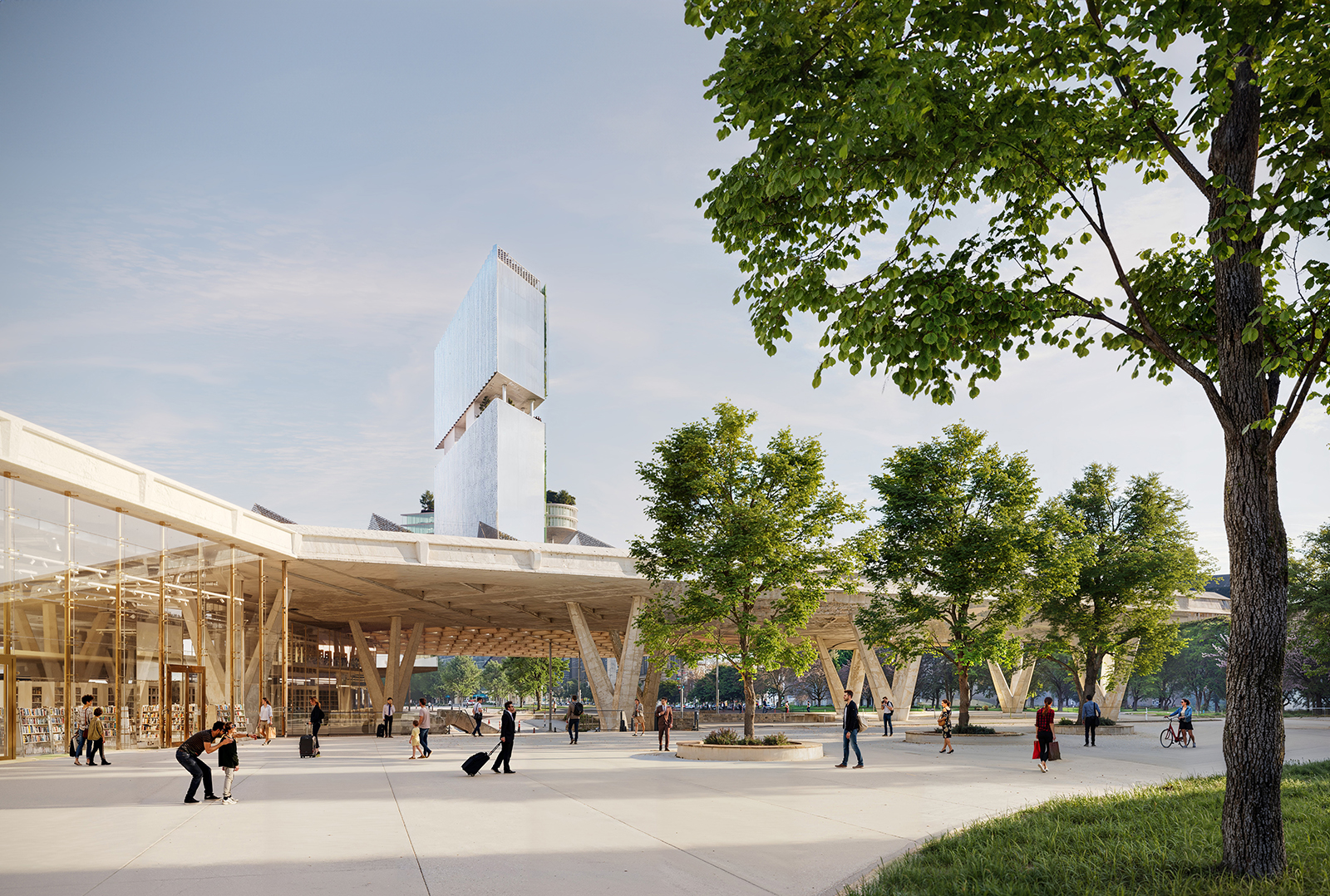
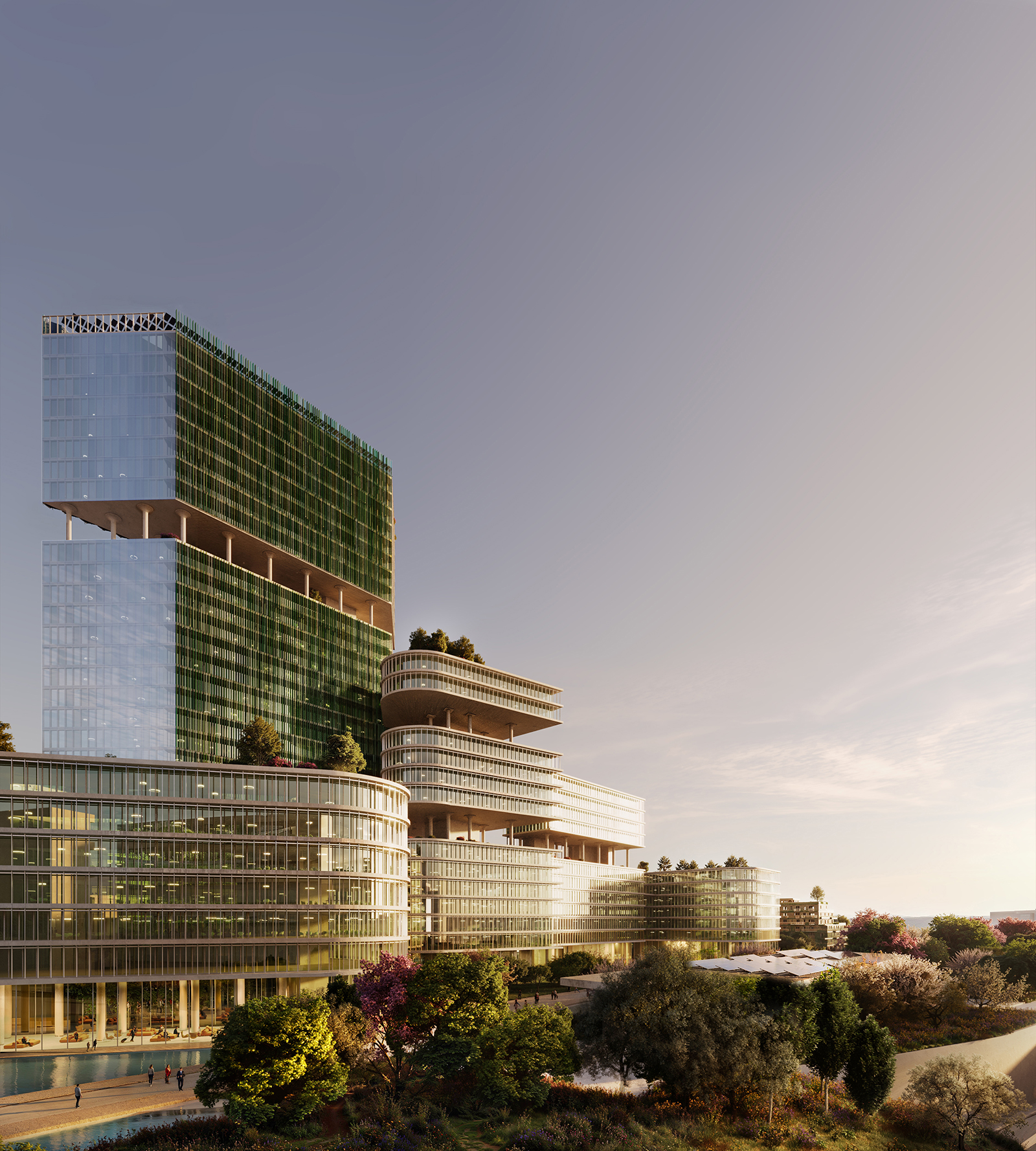
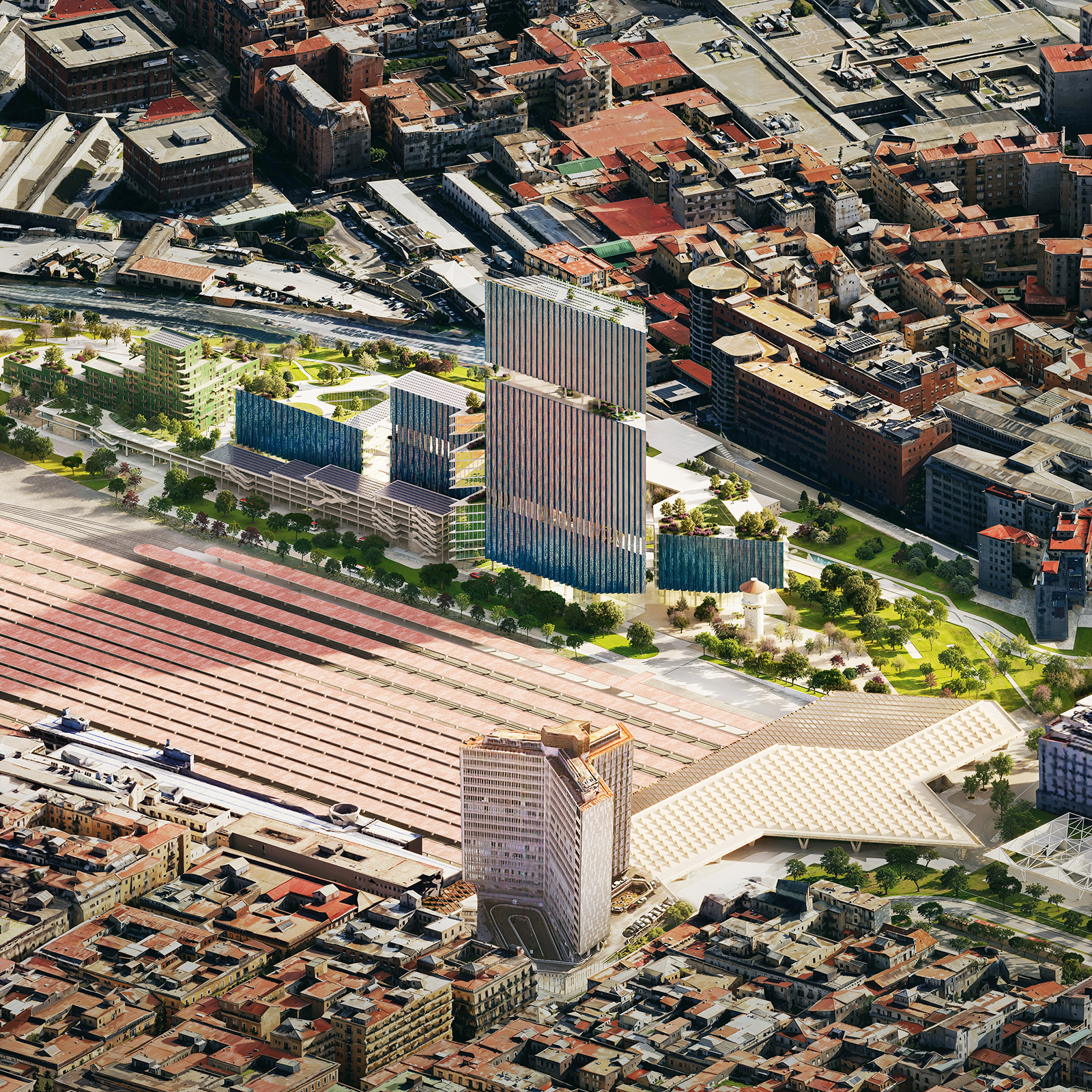
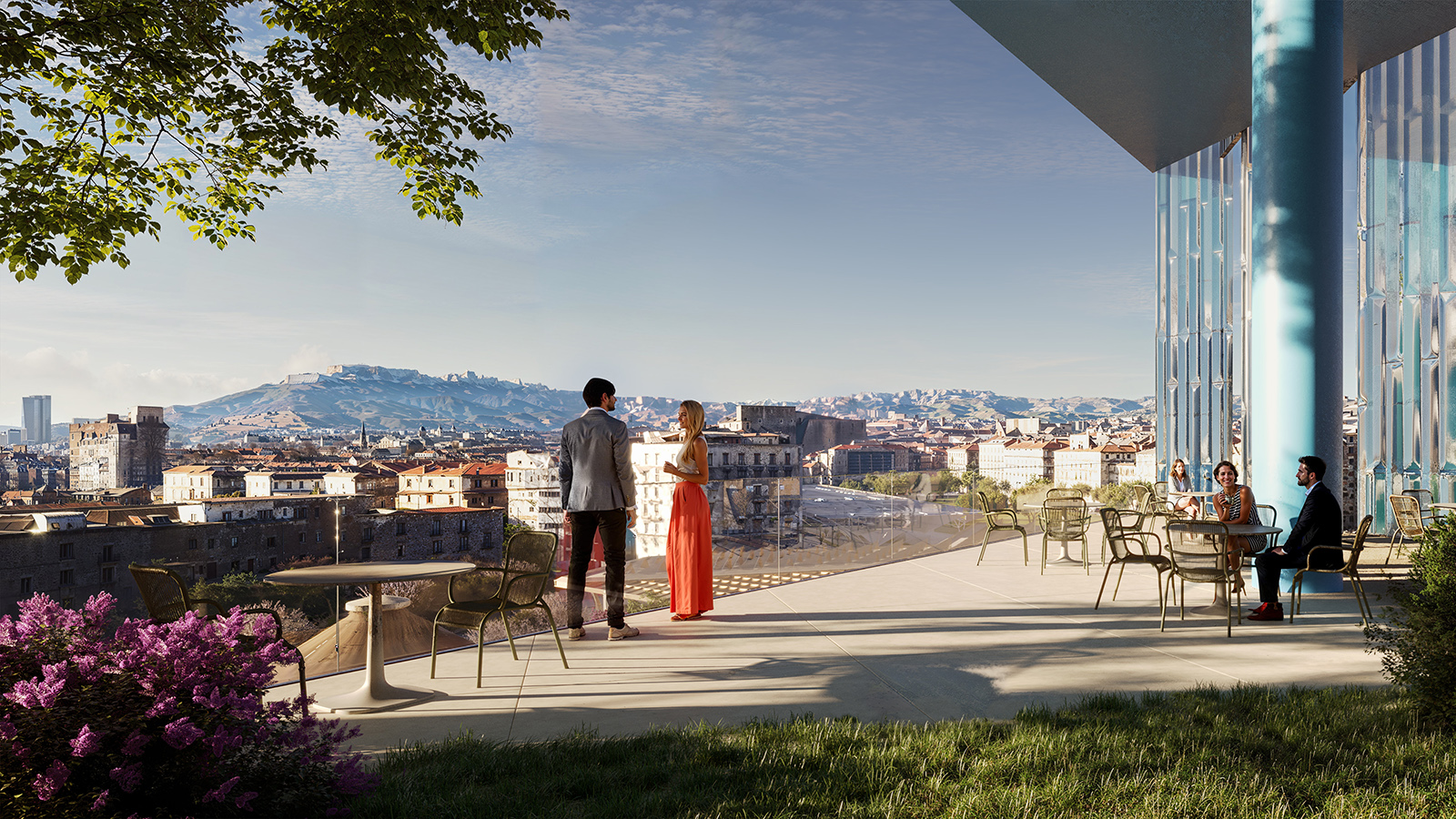
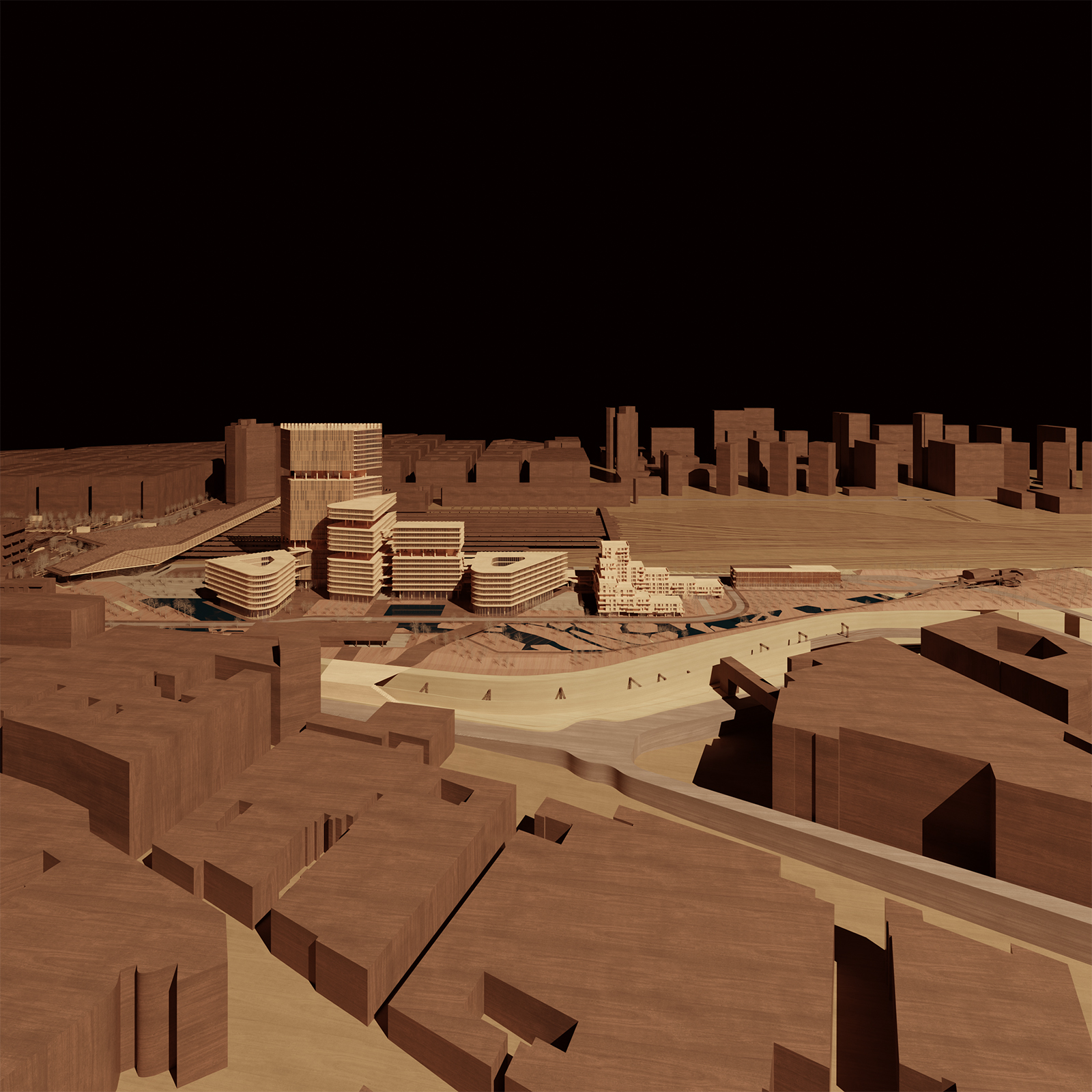
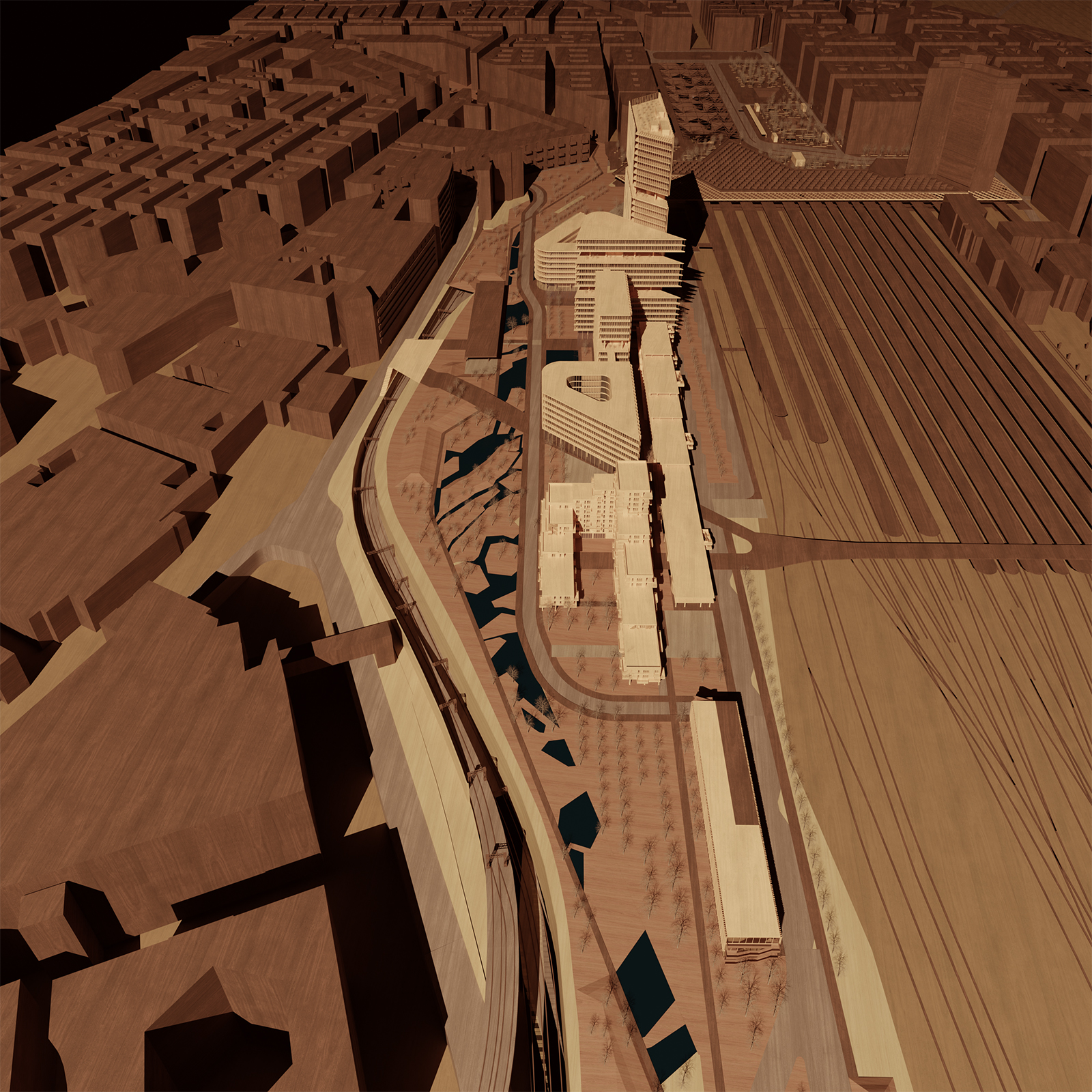
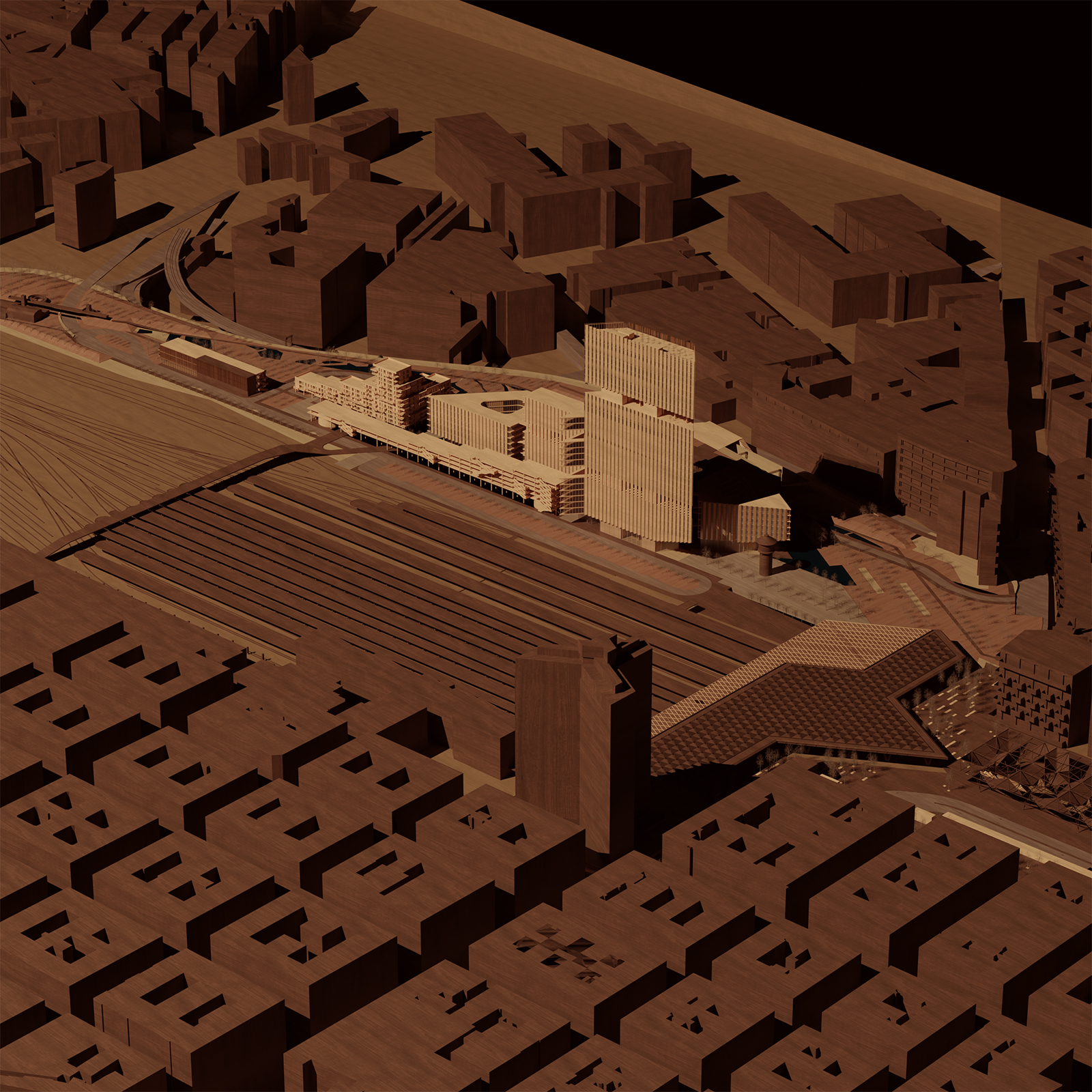
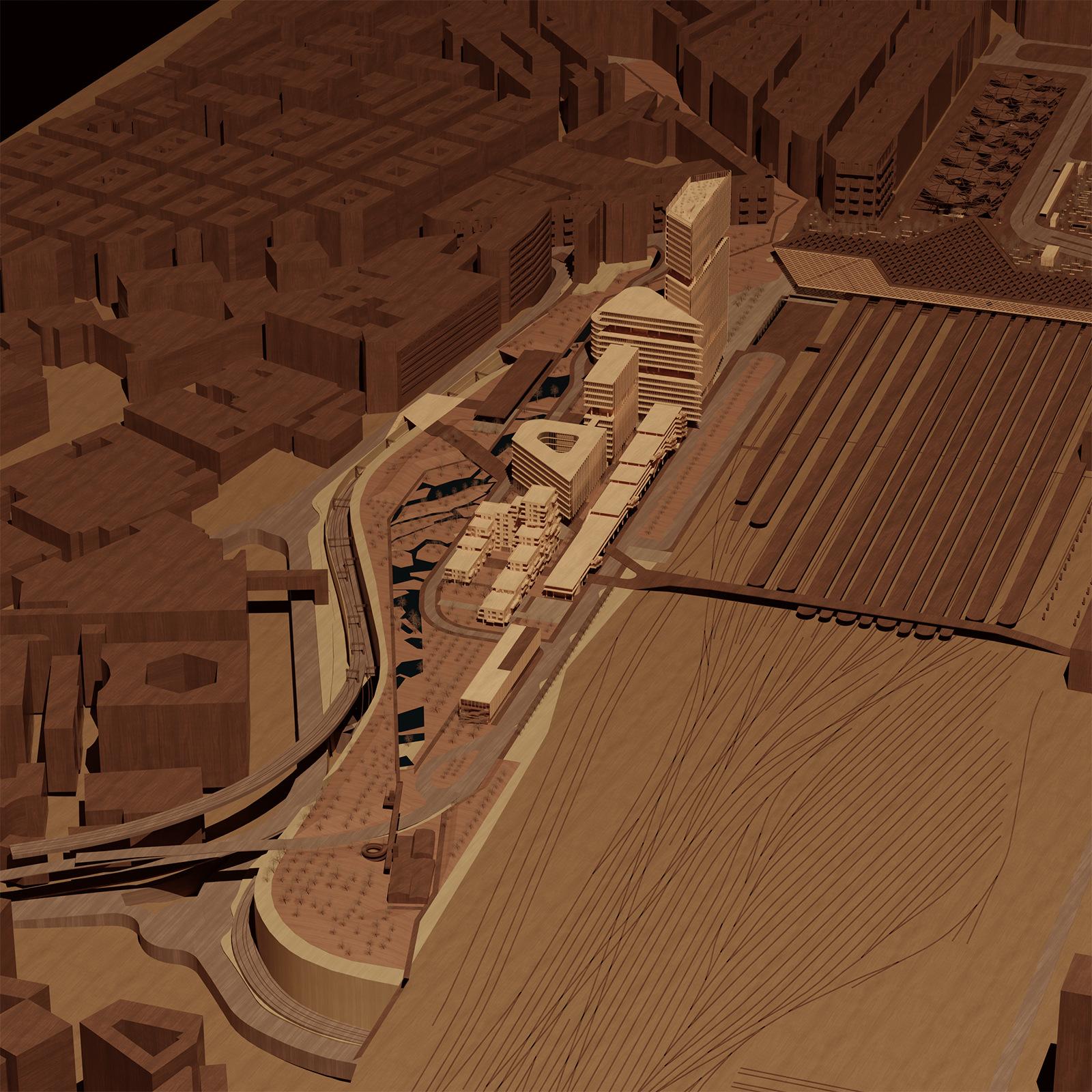
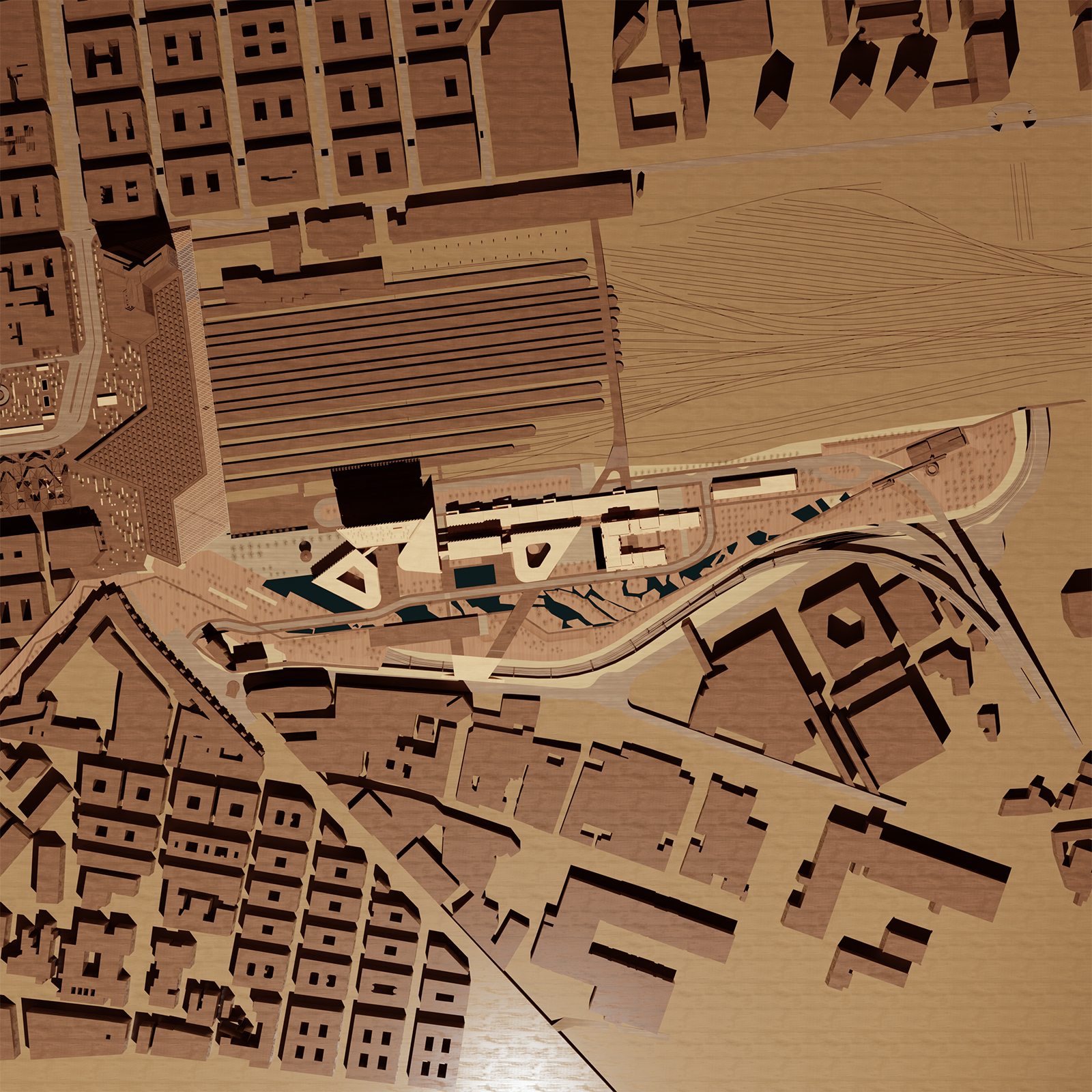
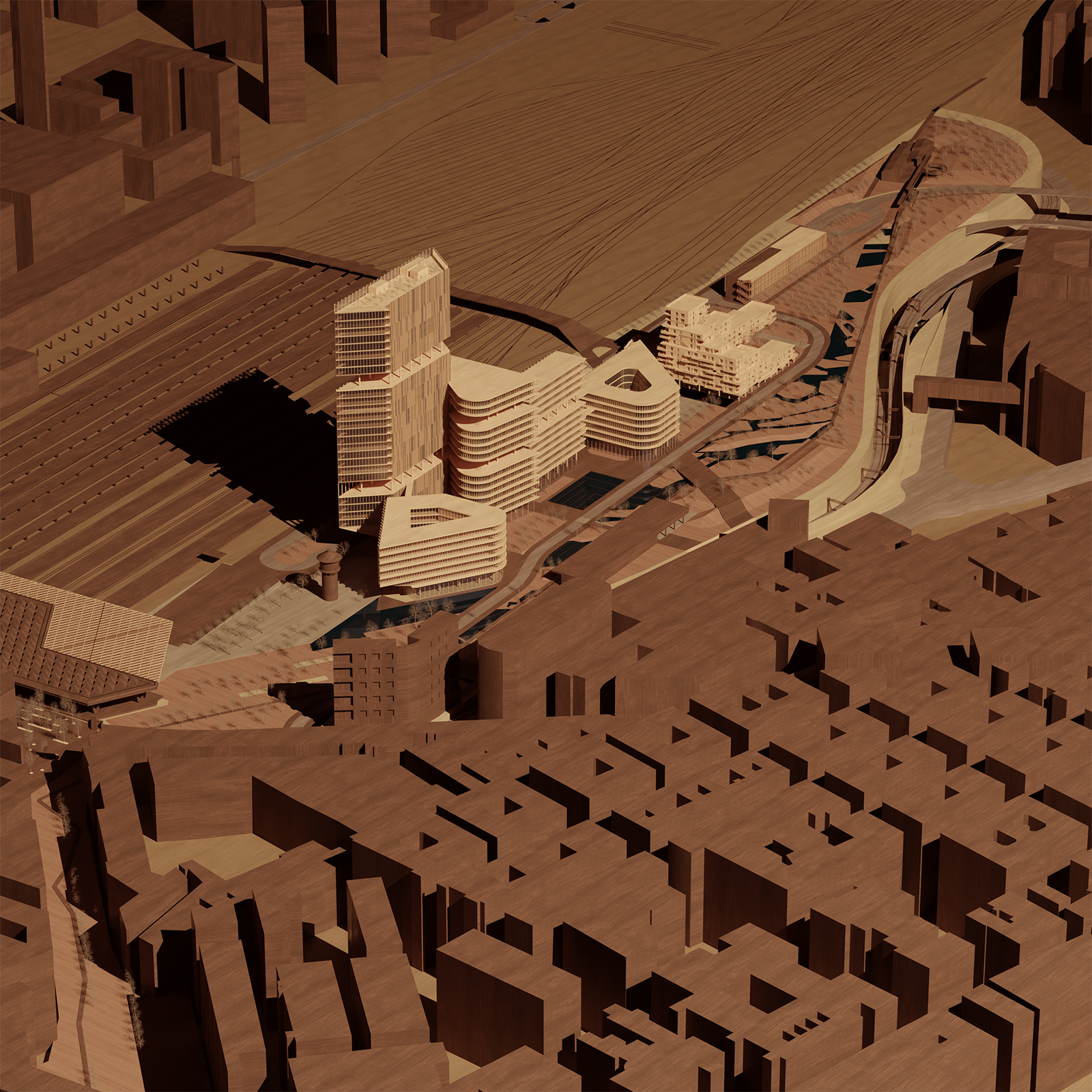
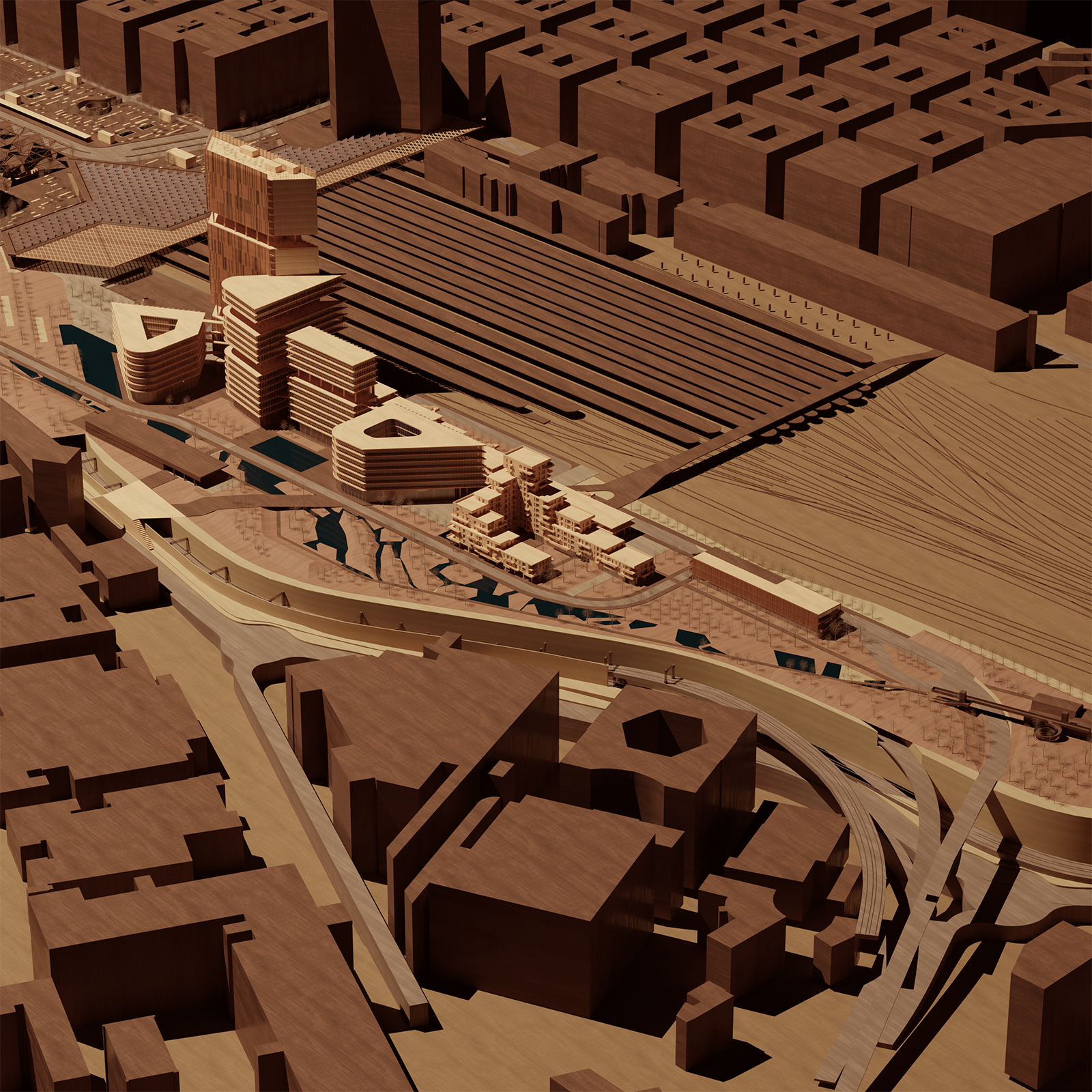
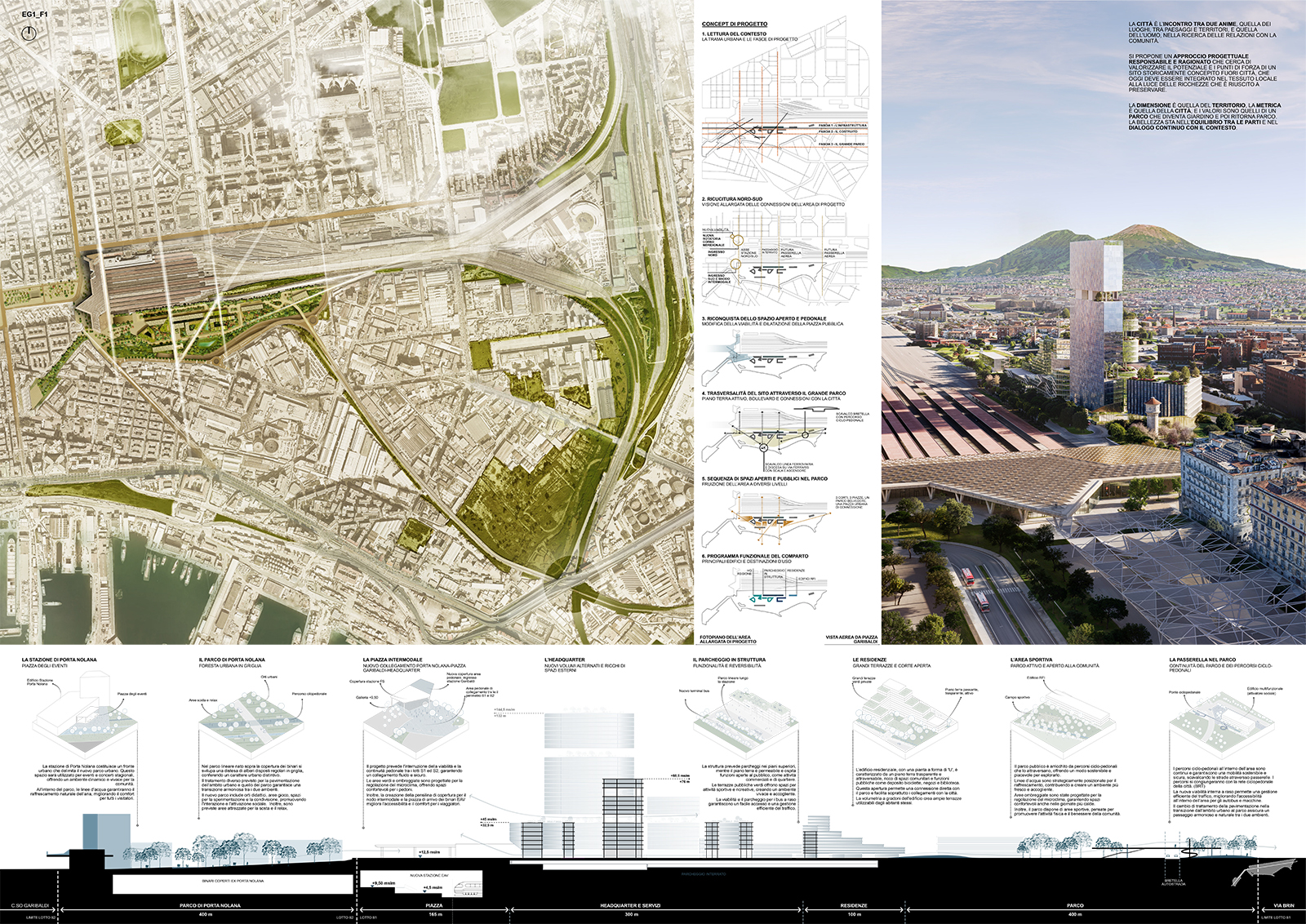
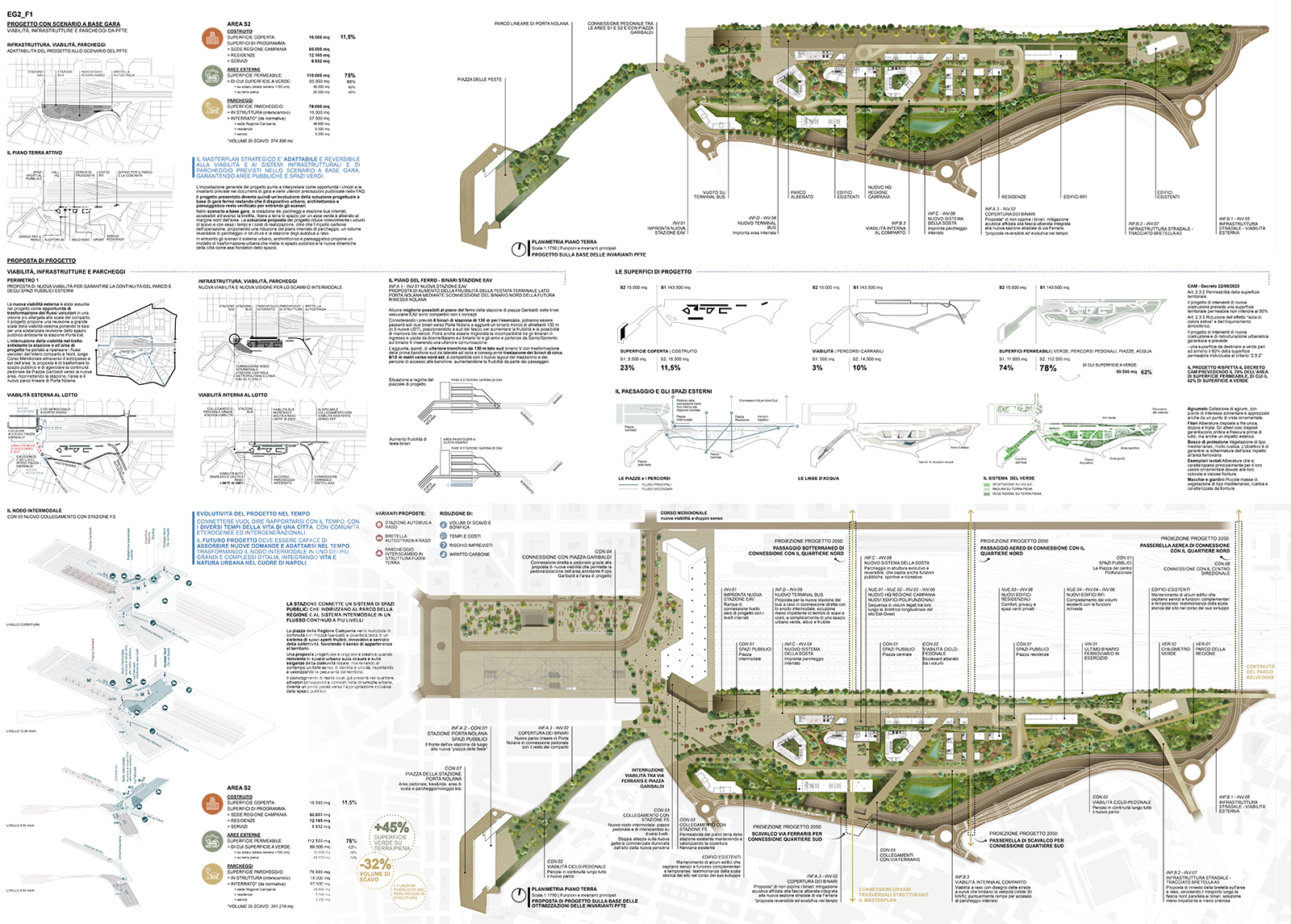
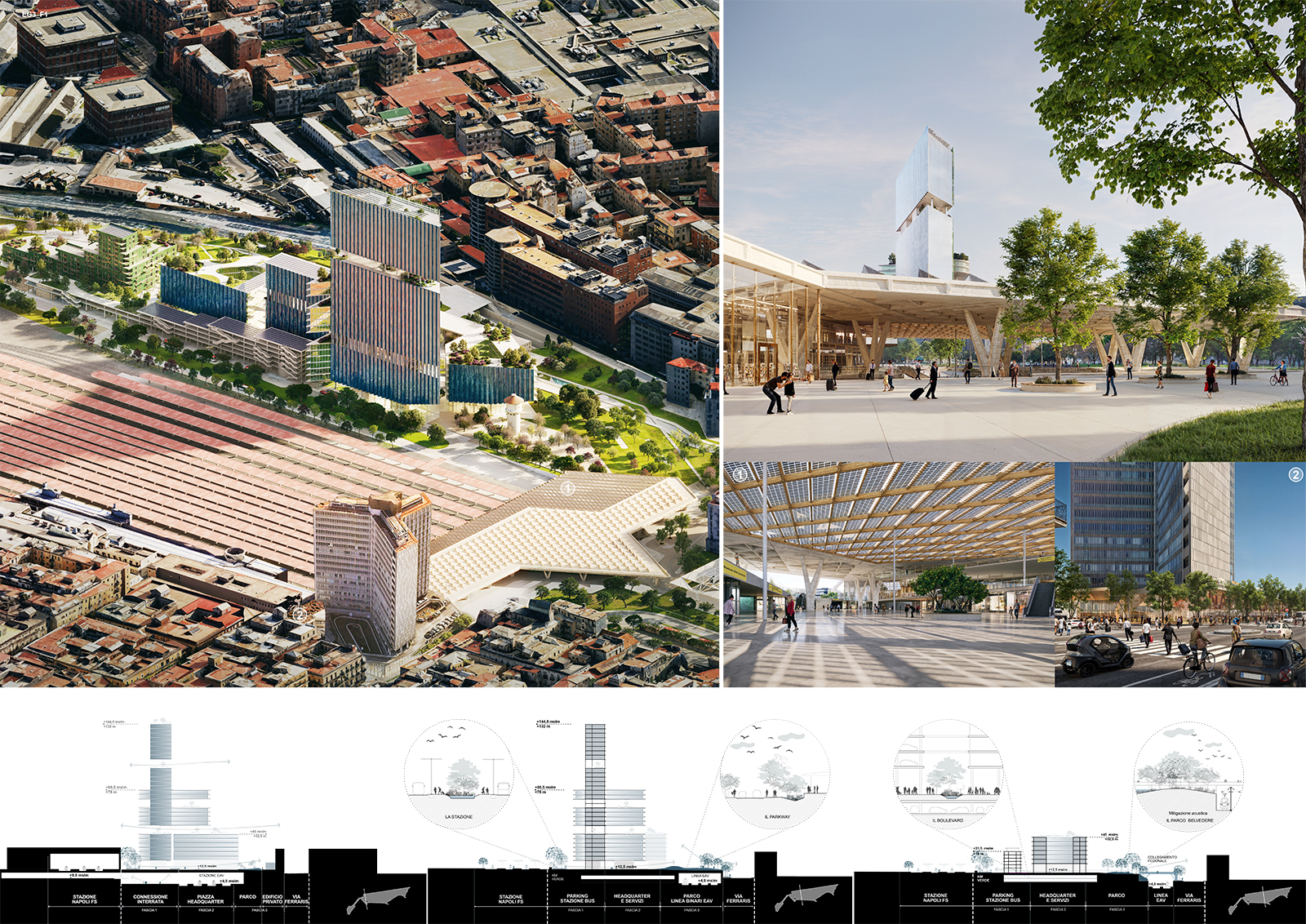
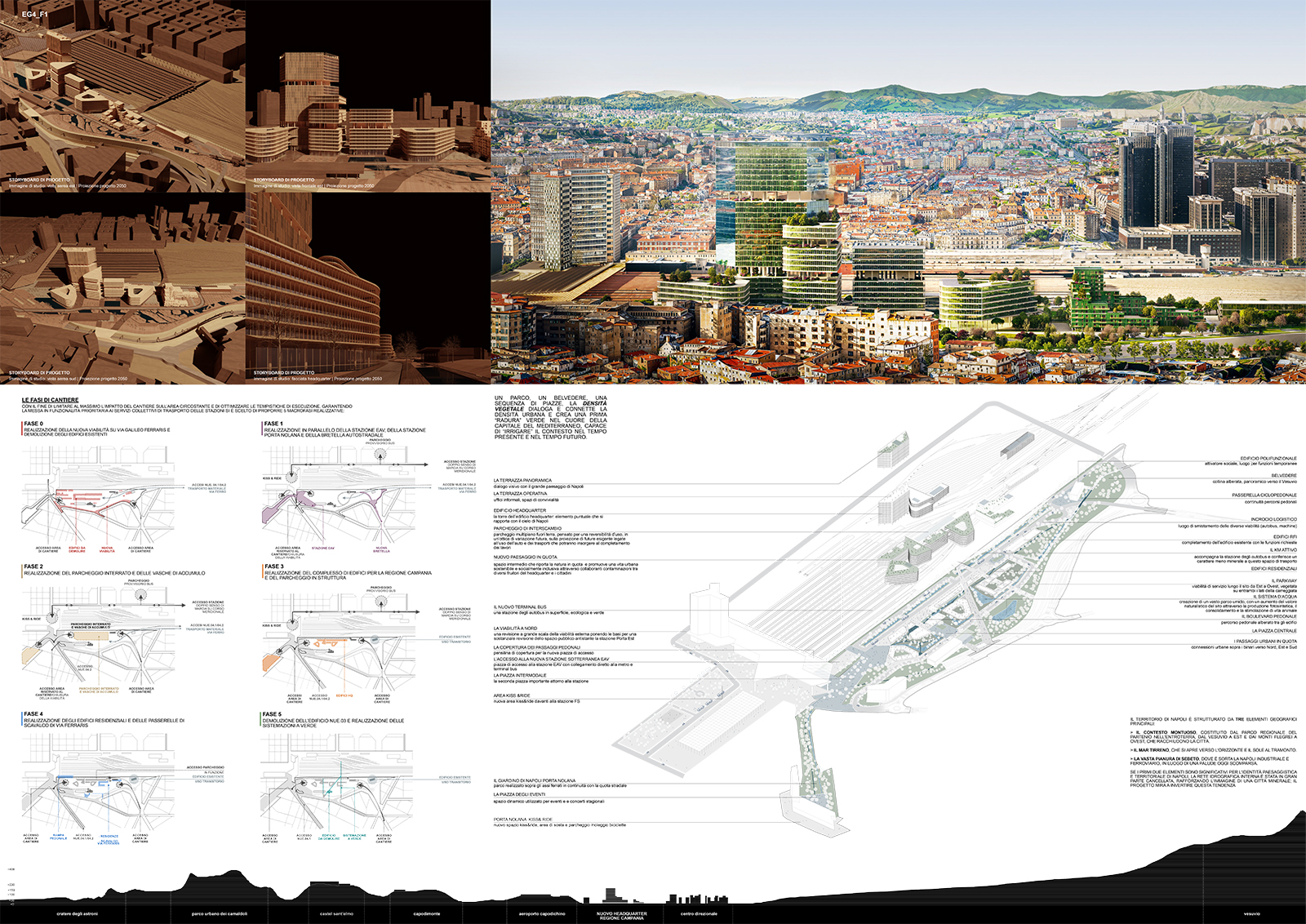
The physical and social reconnection of currently fragmented neighborhoods lies at the heart of the project. The introduction of a large continuous green system, tree-lined squares, and fluid pedestrian pathways aims to create a new cohesive, accessible, and livable urban fabric, capable of restoring vitality and centrality to public space.
Climate and Environmental Resilience
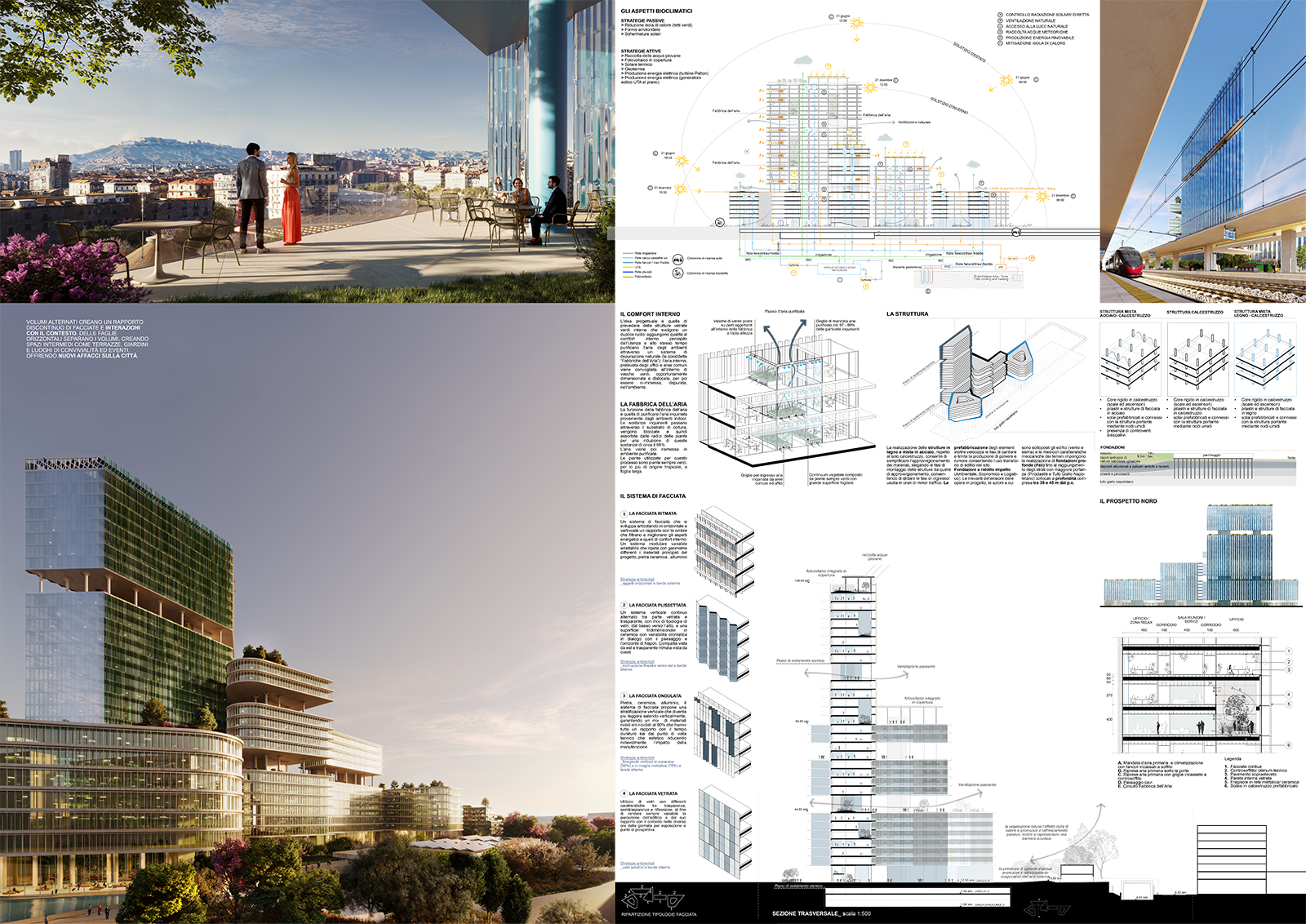
In anticipation of rising temperatures and heatwaves by 2050, the project introduces a true “environmental decompression island” in the heart of East Naples, currently dominated by paved surfaces. Green areas, natural soil, and the use of reflective materials become key tools to enhance climatic comfort and urban health.
Sustainable Mobility and Smart Infrastructure
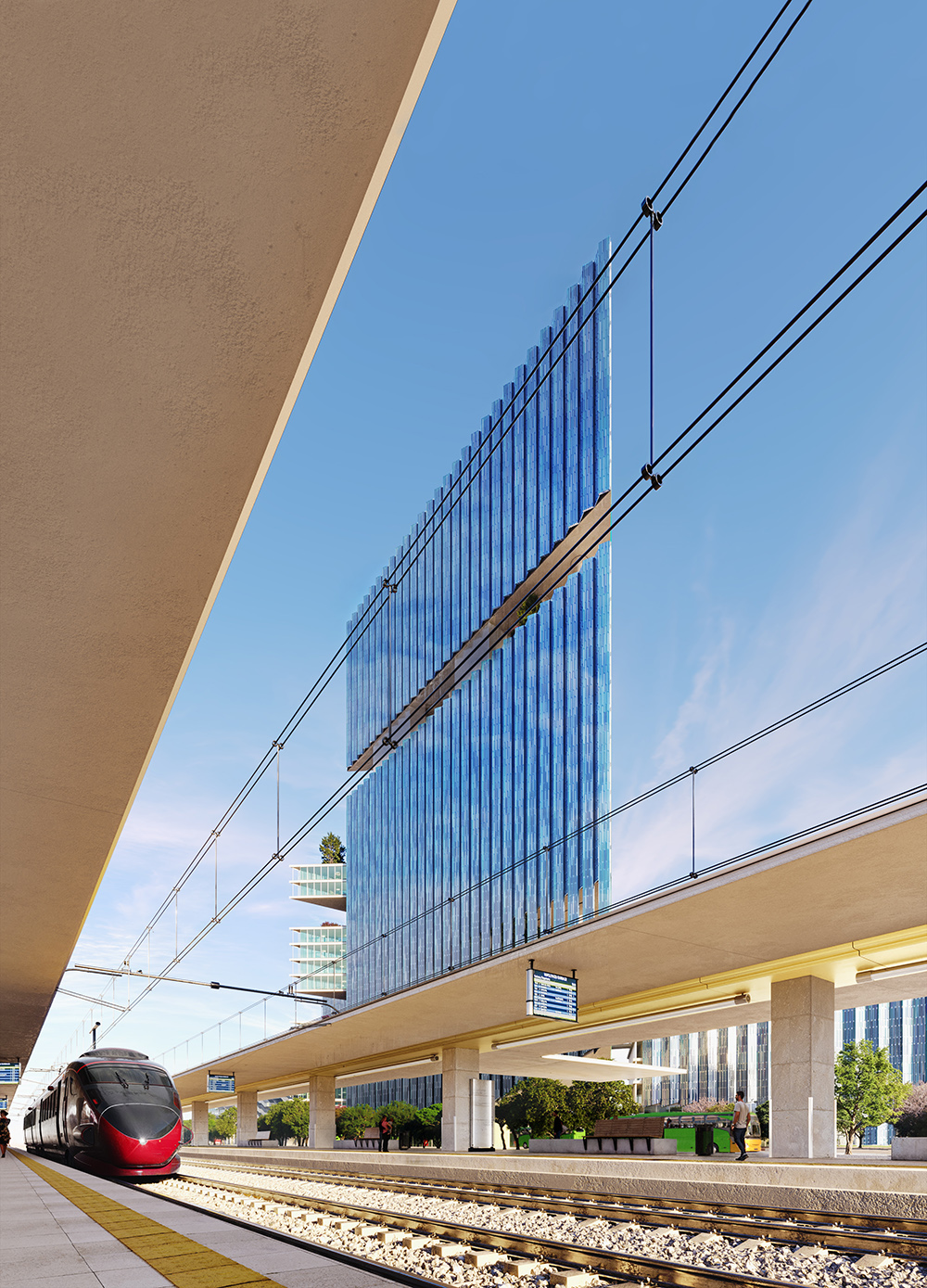
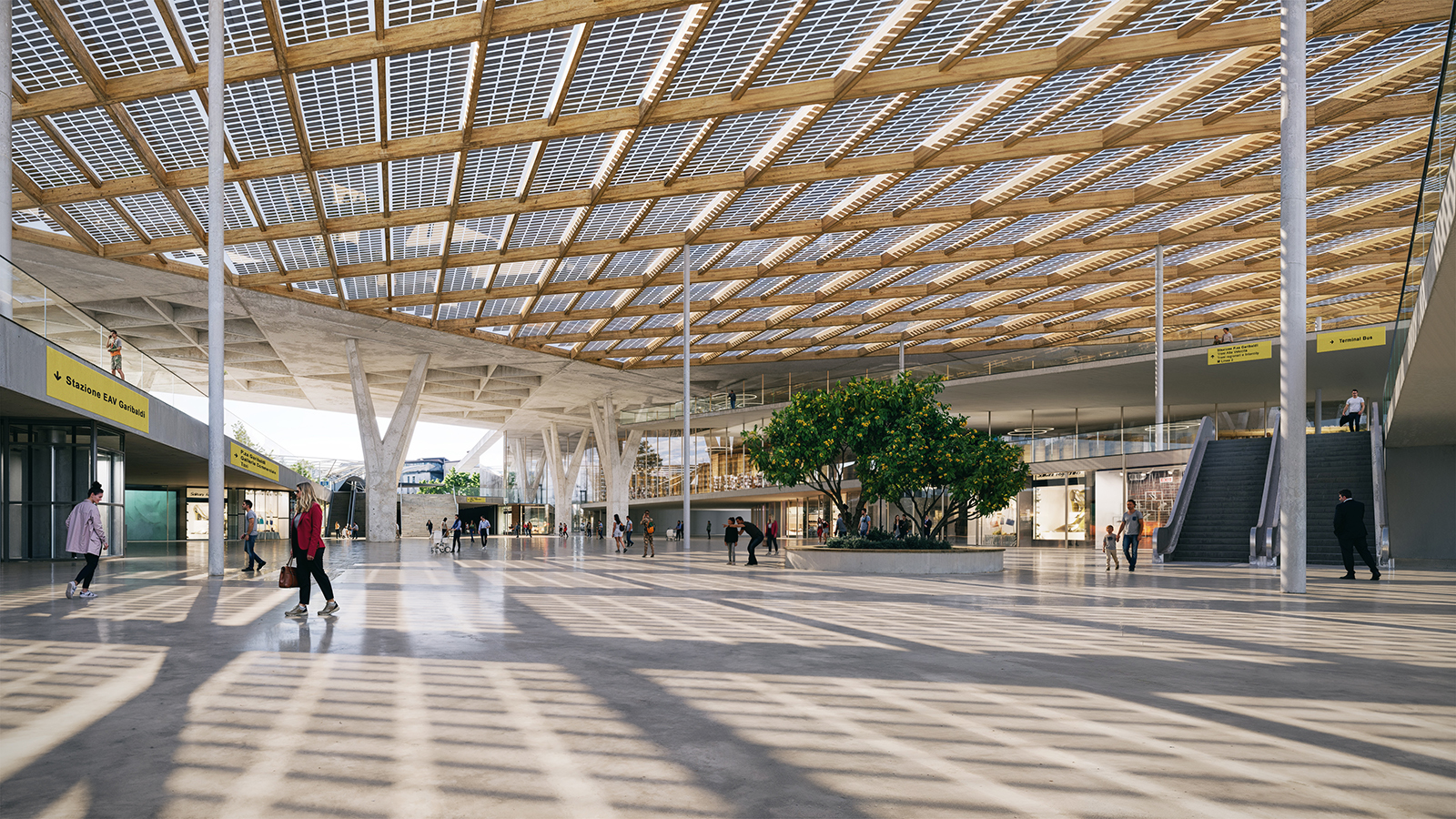
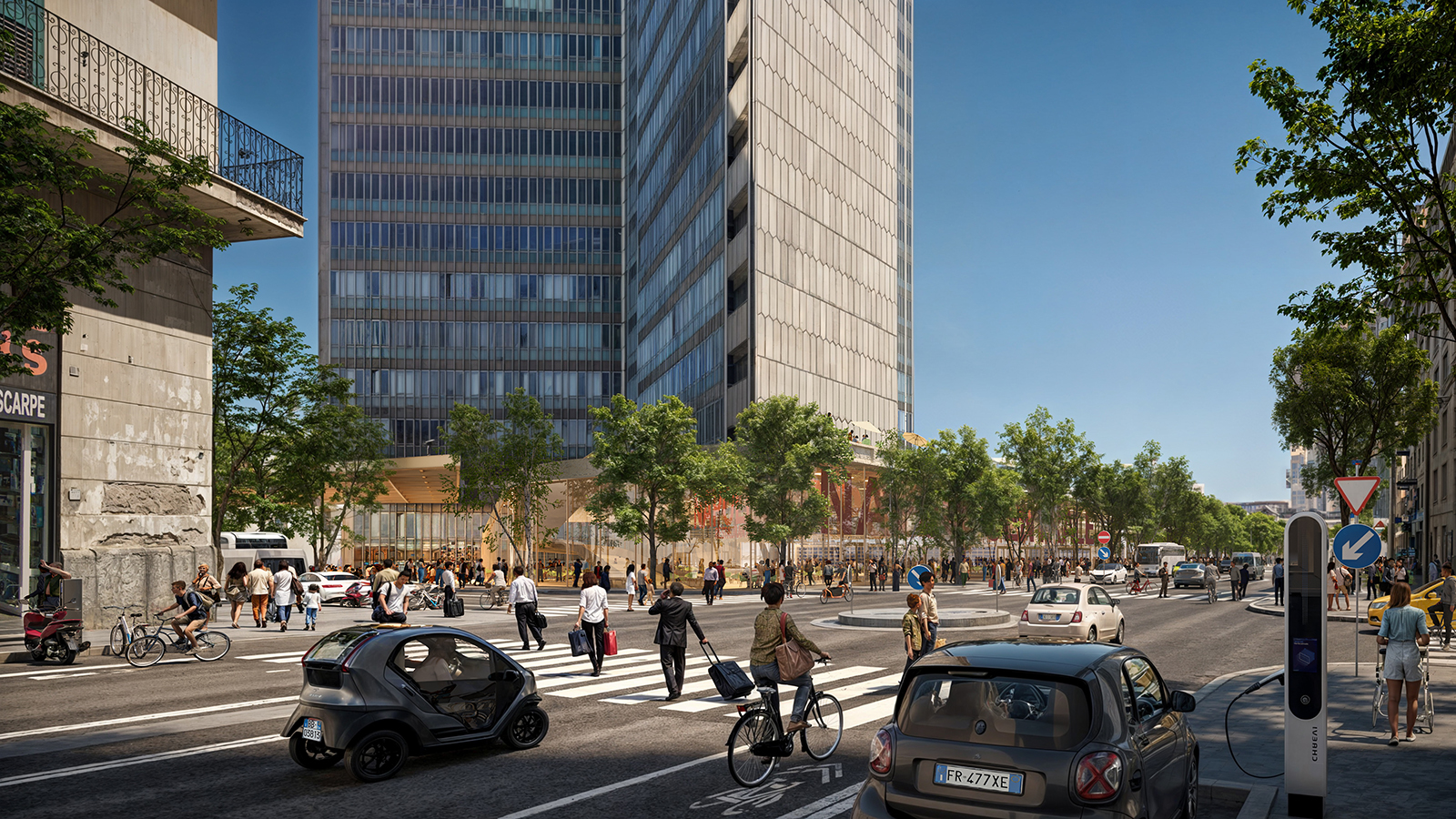
By reorganizing traffic flows and focusing on intermodality, reversible parking, and an at-grade bus station, the proposal offers a less invasive, more economical, and adaptable solution. Roadways are reimagined as an opportunity to support pedestrian and cycling continuity, extending accessibility from Piazza Garibaldi to Porta Nolana.
Evolutionary and Regenerative Architecture
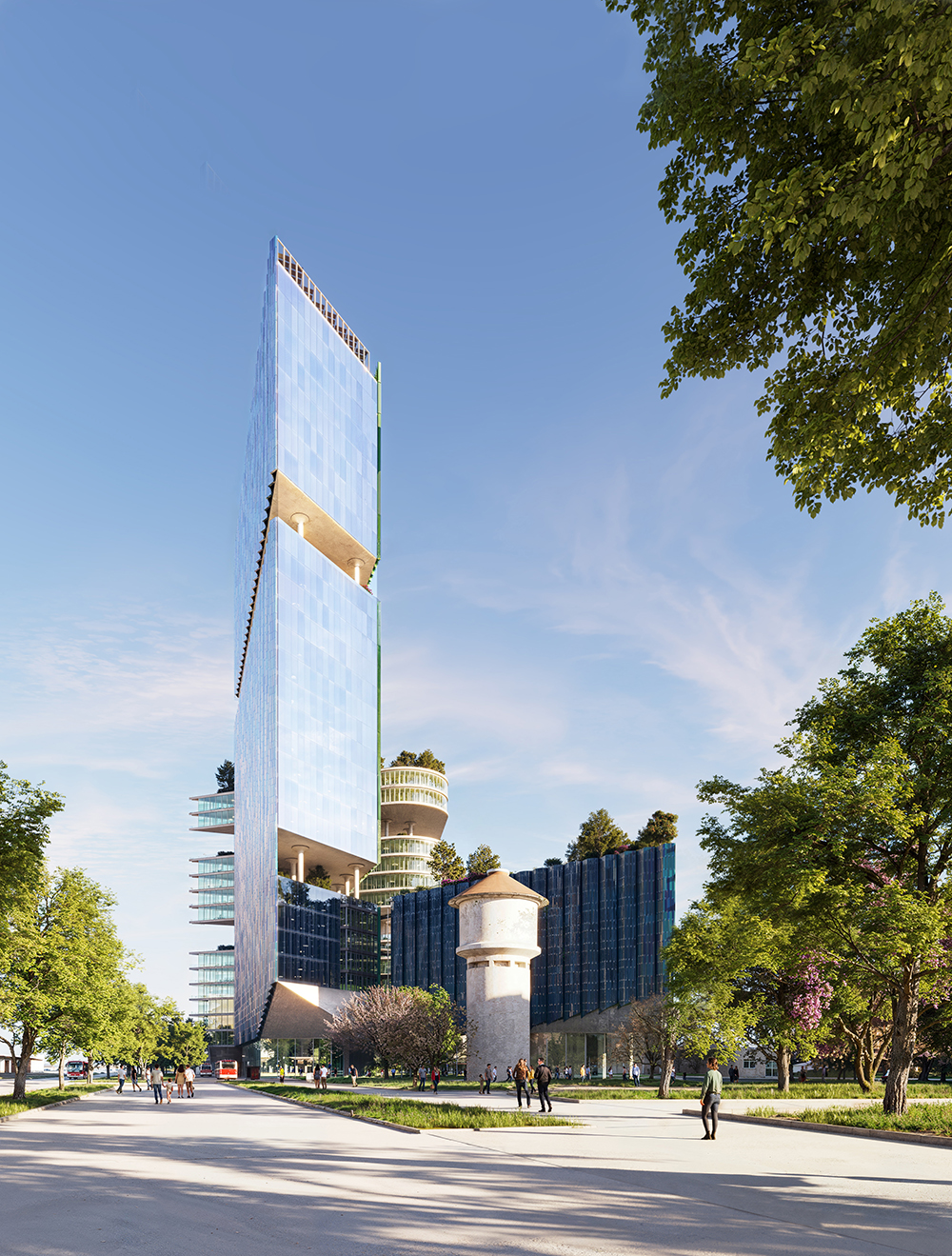
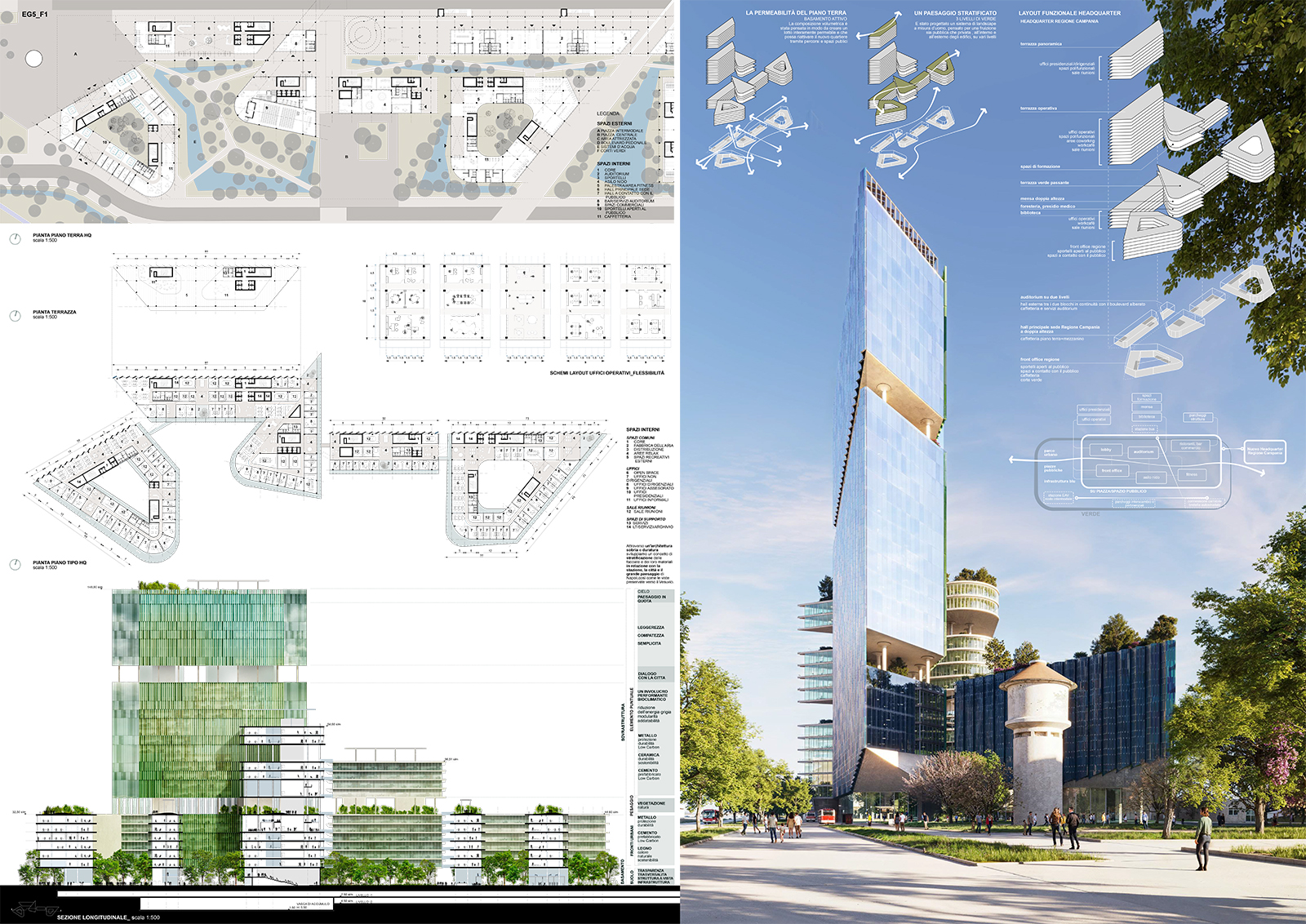
Public and residential buildings are conceived as reversible and flexible systems, able to adapt to future uses (co-living, intergenerational housing, hybrid spaces). Architecture takes on the role of mediator between past and future, between private and collective space, in a transforming city.
Low-Carbon Approach and Circular Economy
The project adopts a methodology based on constructive simplicity, reuse of existing buildings, and geo-sourced or bio-based materials to reduce the carbon footprint. A true Mediterranean paradigm of low-carbon design is established—capable of evolving over time and engaging with urban complexity.