





WATERFRONT AND TERMINAL IN REGGIO CALABRIA
location: Port area of Reggio Calabria, Italy
client: Autorità di Sistema Portuale dello Stretto
architectural and landscape design: Atelier(s) Alfonso Femia *AF517
architect in charge: Alfonso Femia
landscape: Michelangelo Pugliese
structural engineering: Artuso Architetti Associati
services engineering: Artuso Architetti Associati
project director: Alfonso Femia
project leader: Carola Picasso
design team: Simonetta Cenci (Coordinamento), Alfonso Femia, Gloria Cilauro, Sara Massa, Enrico Di Palo, Francesca Recagno, Sara Traverso, Leandro Esposito, Giovanni De Grandi, Leonardo Giacalone
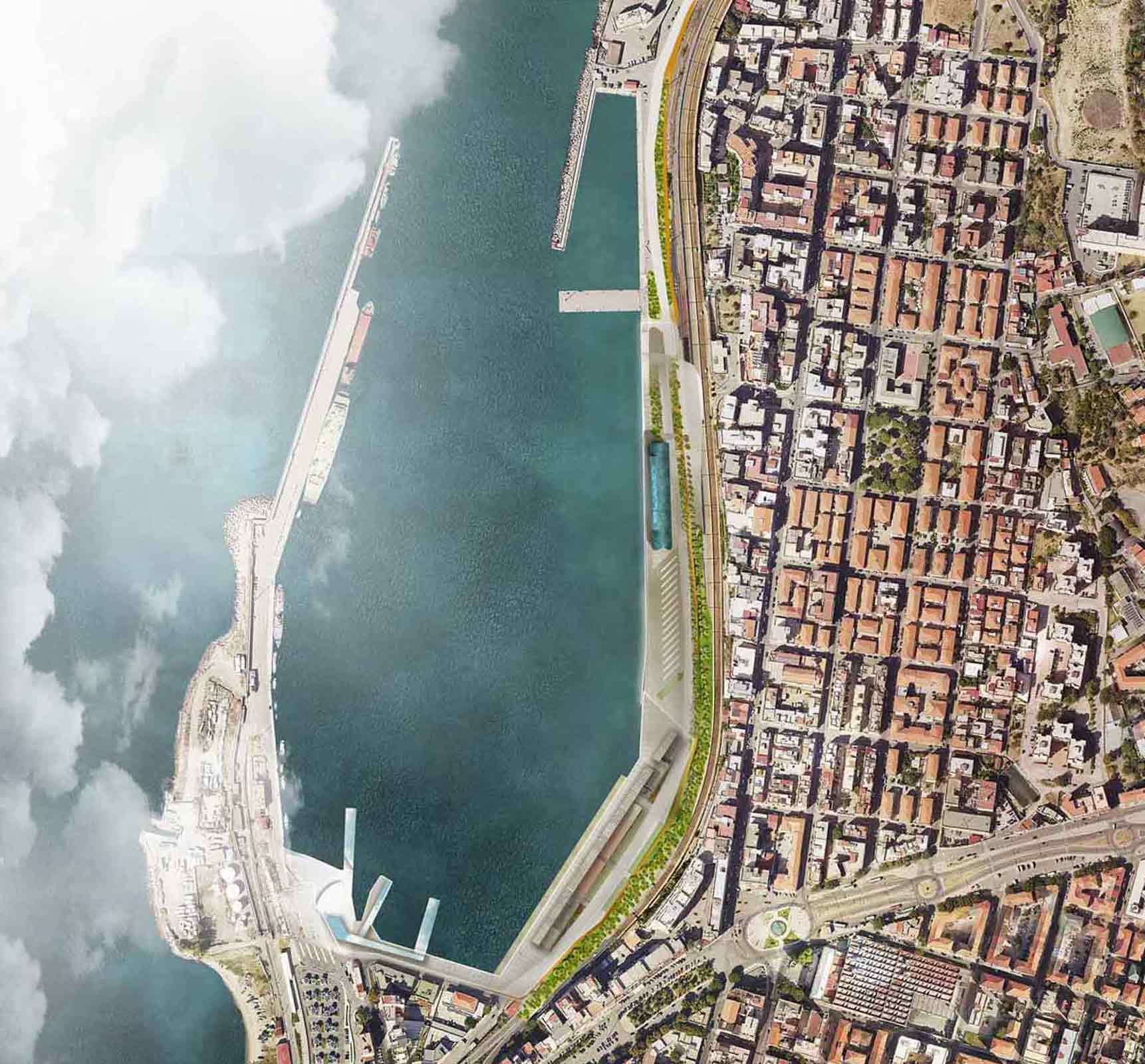
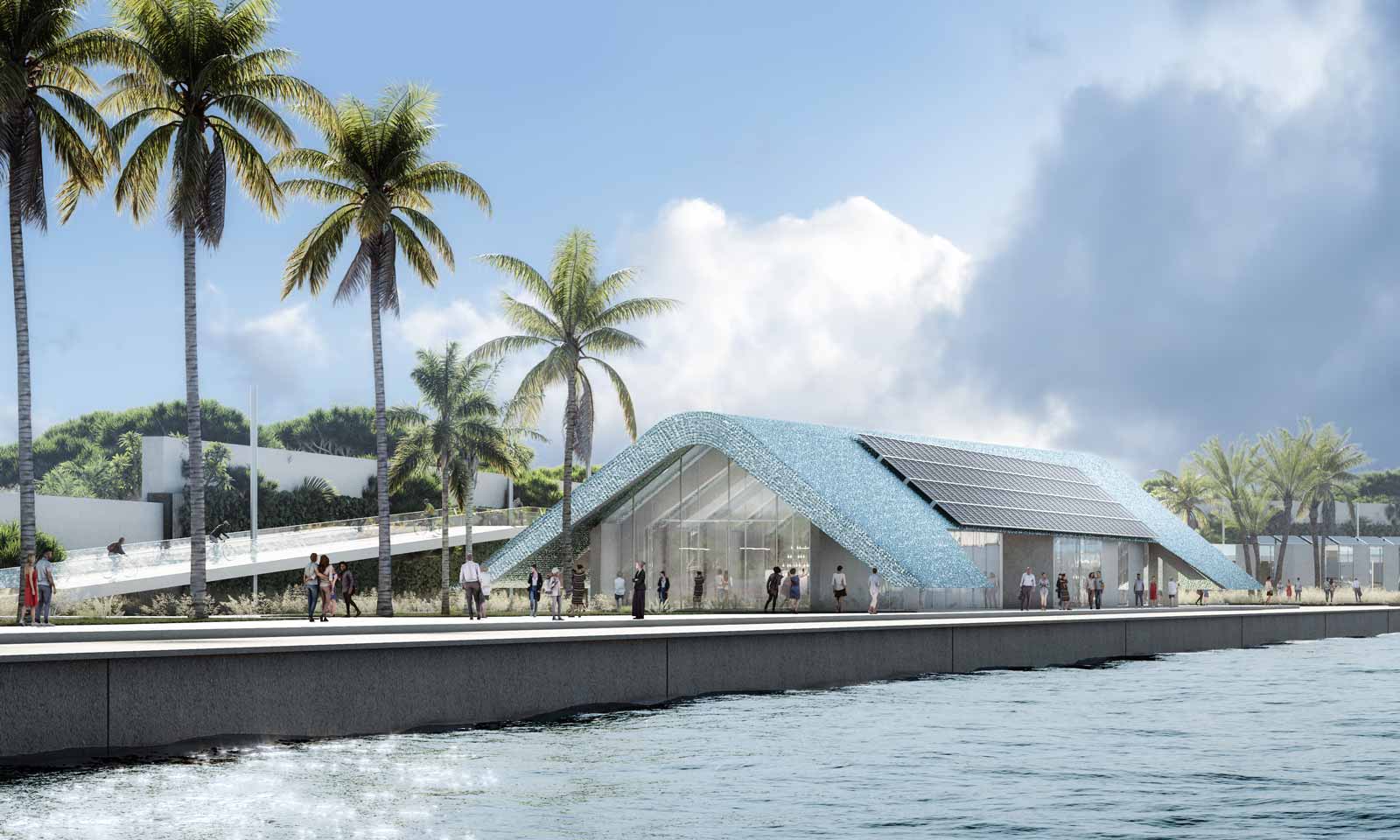
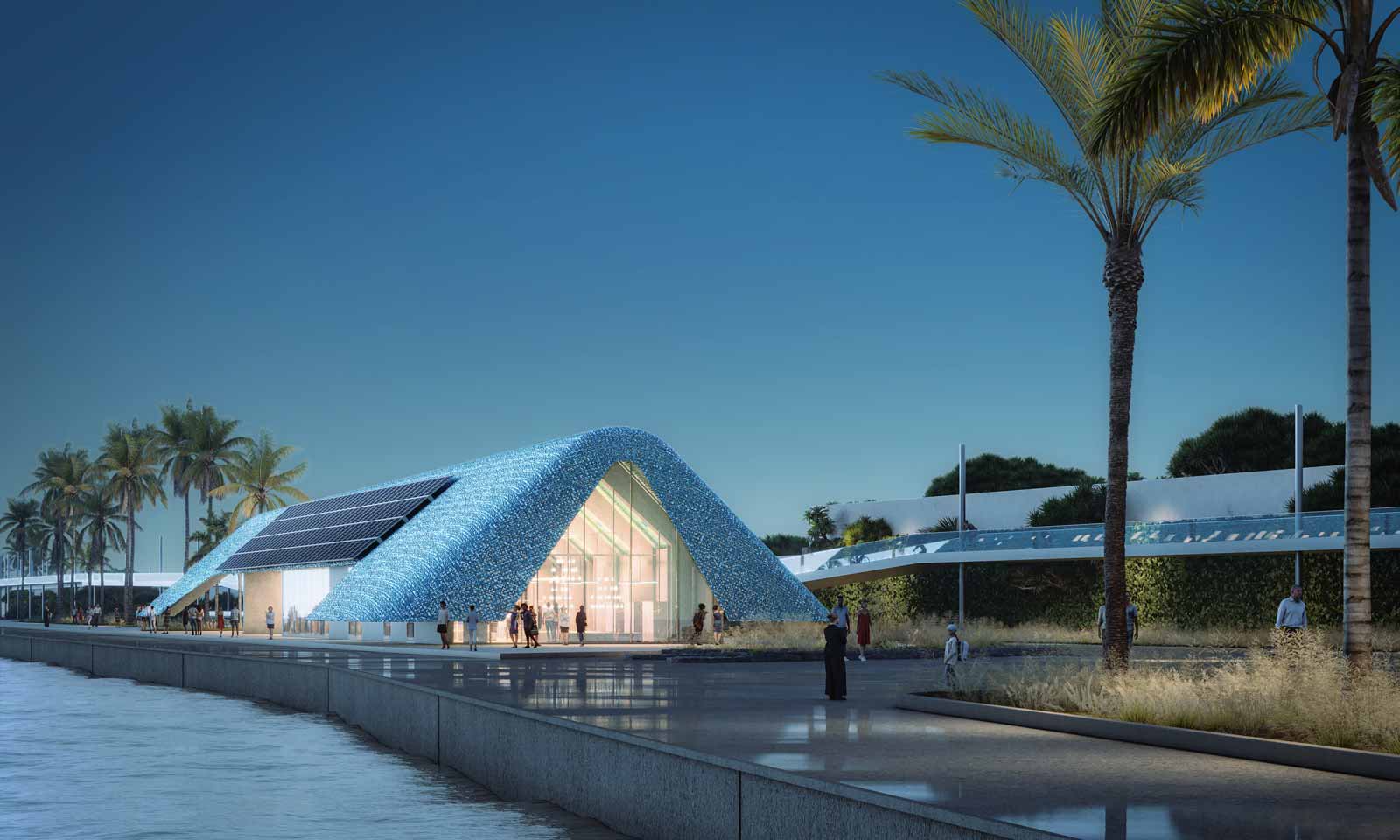
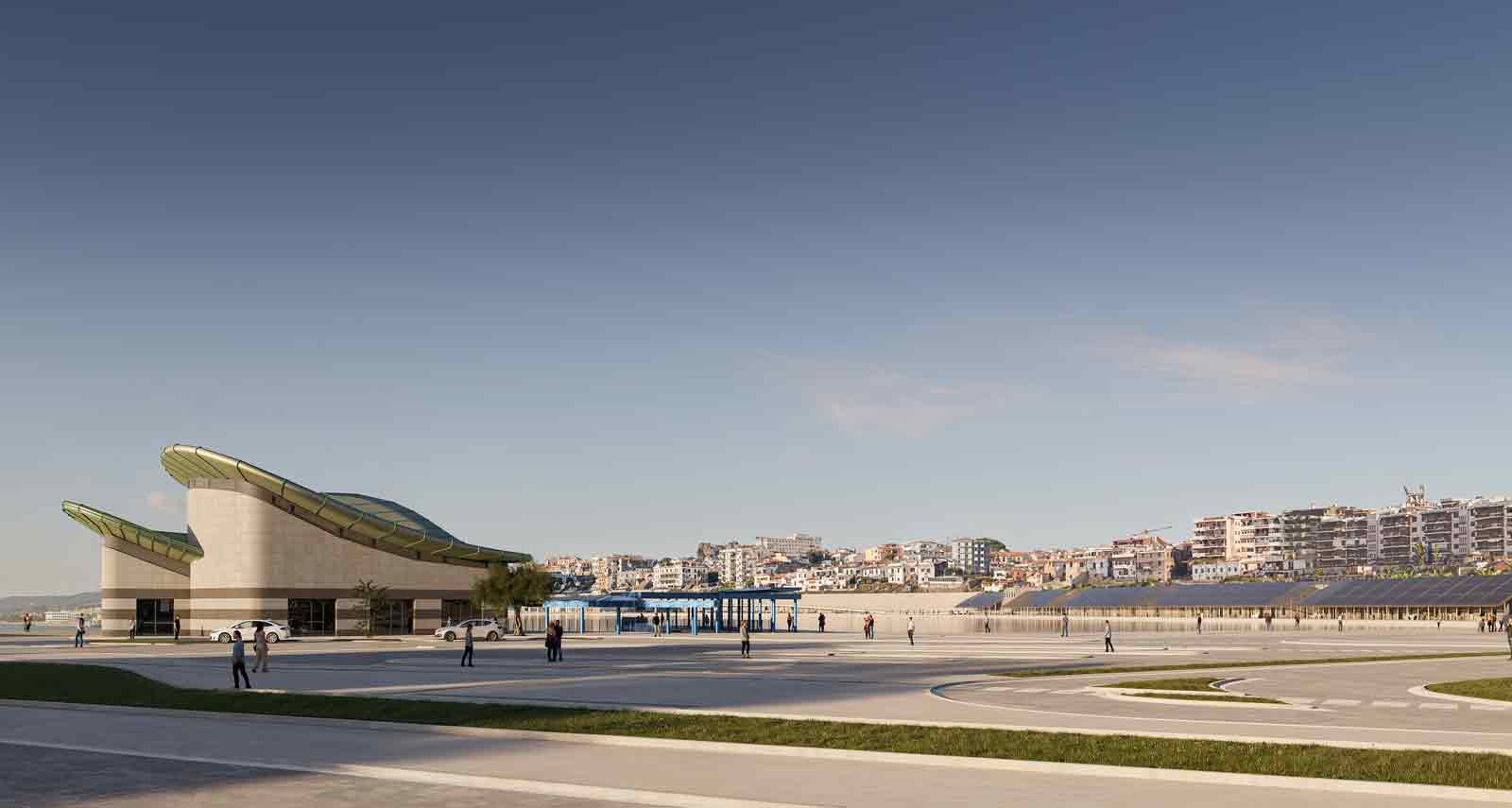
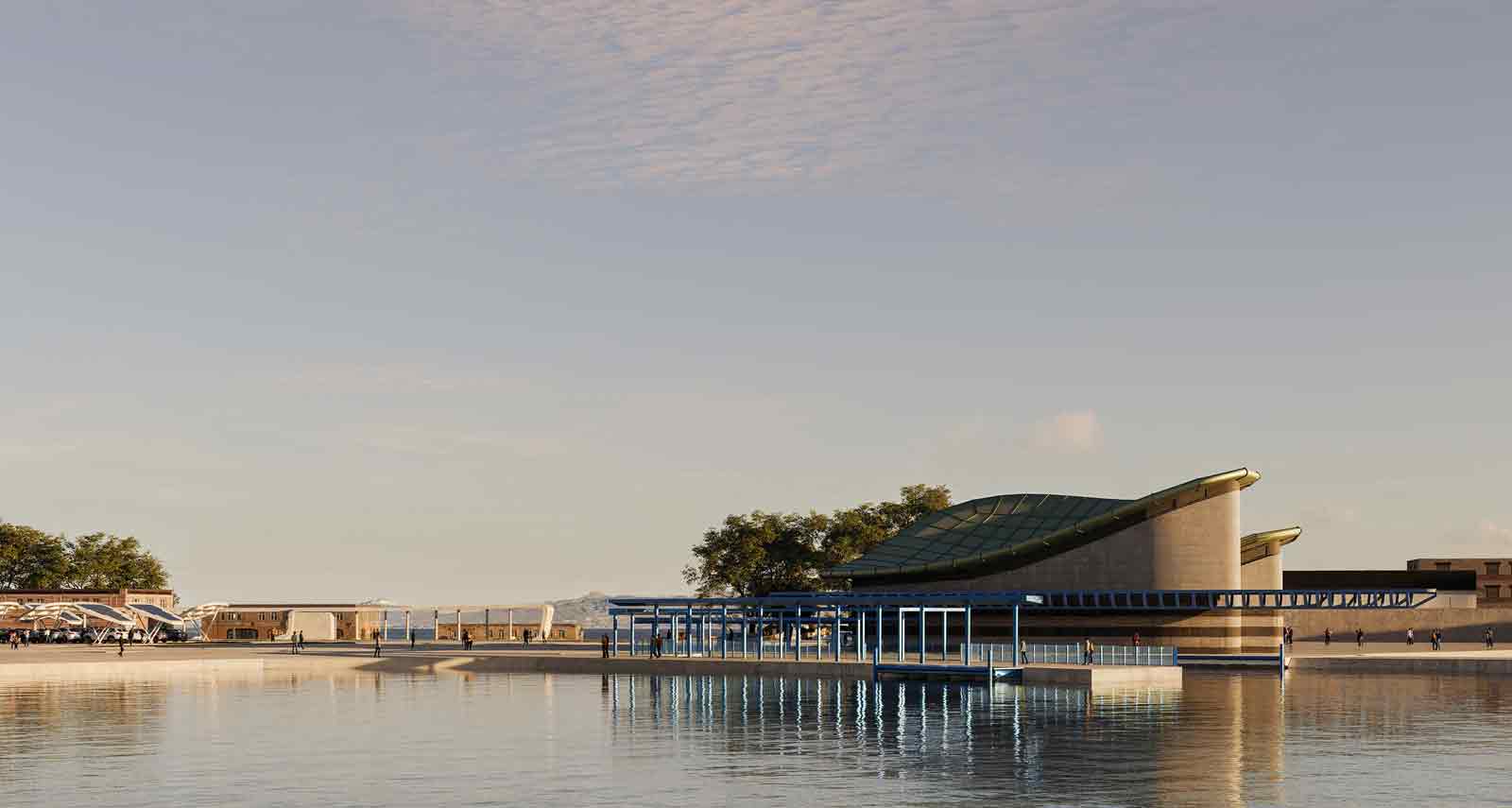
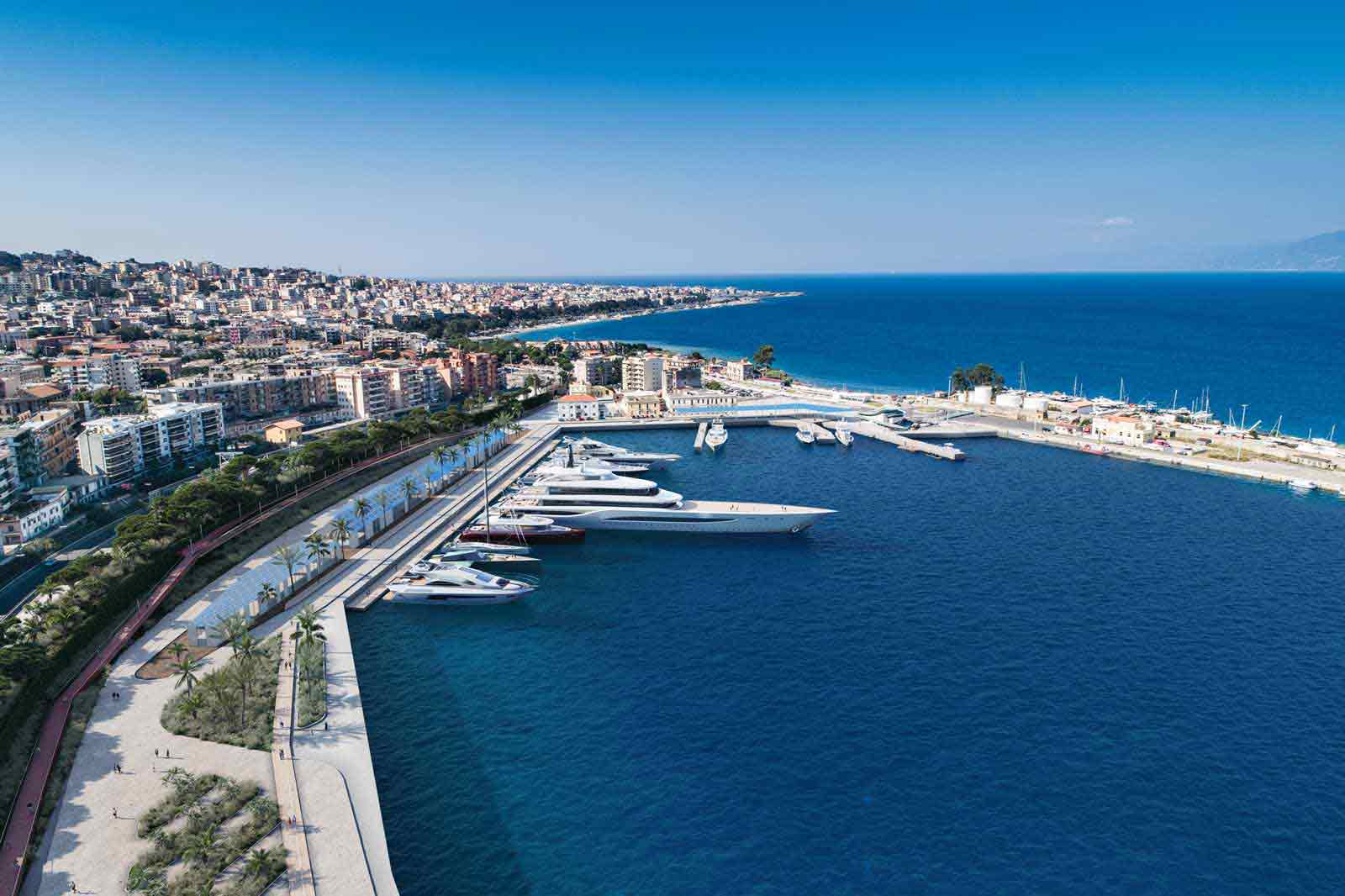
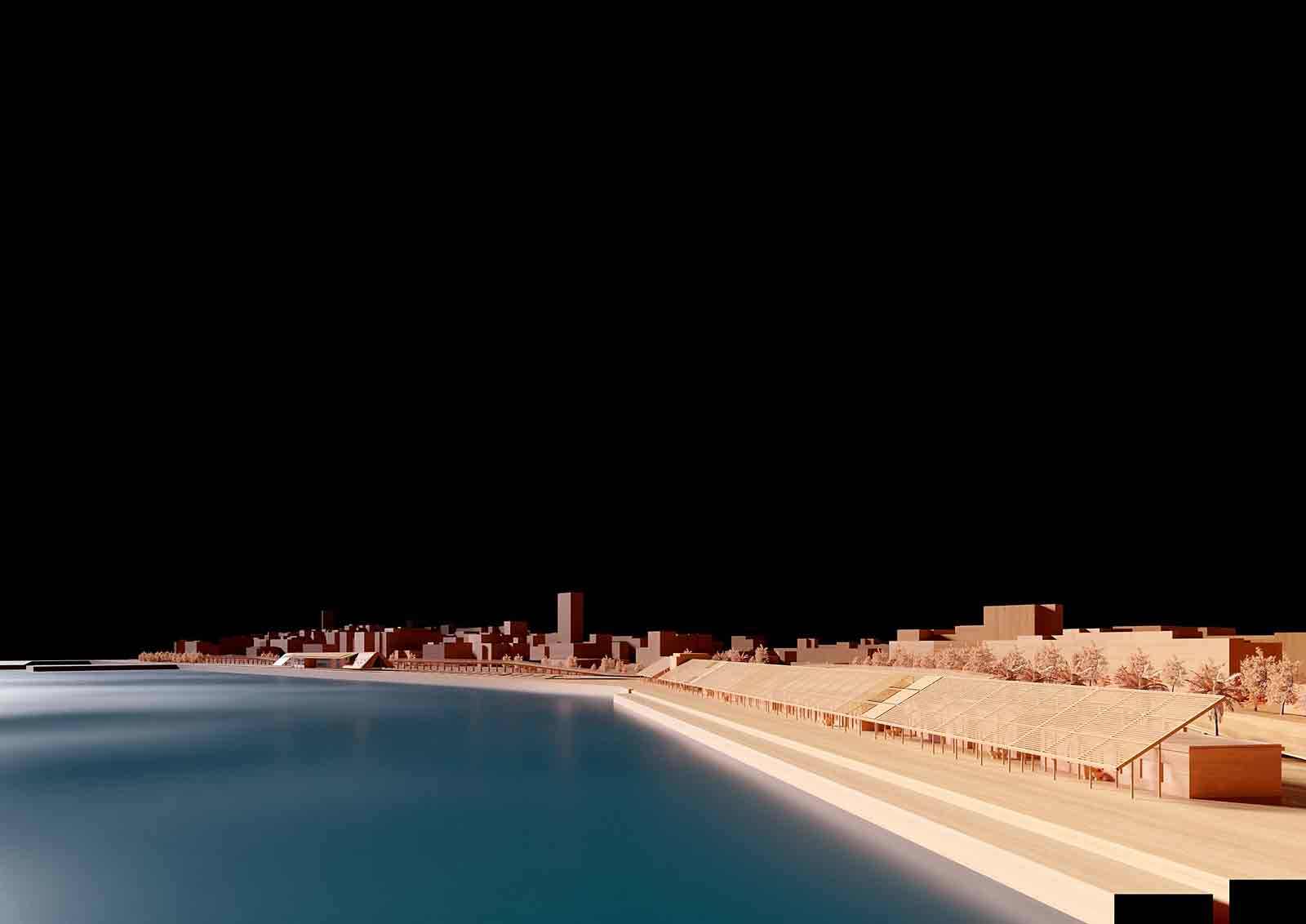
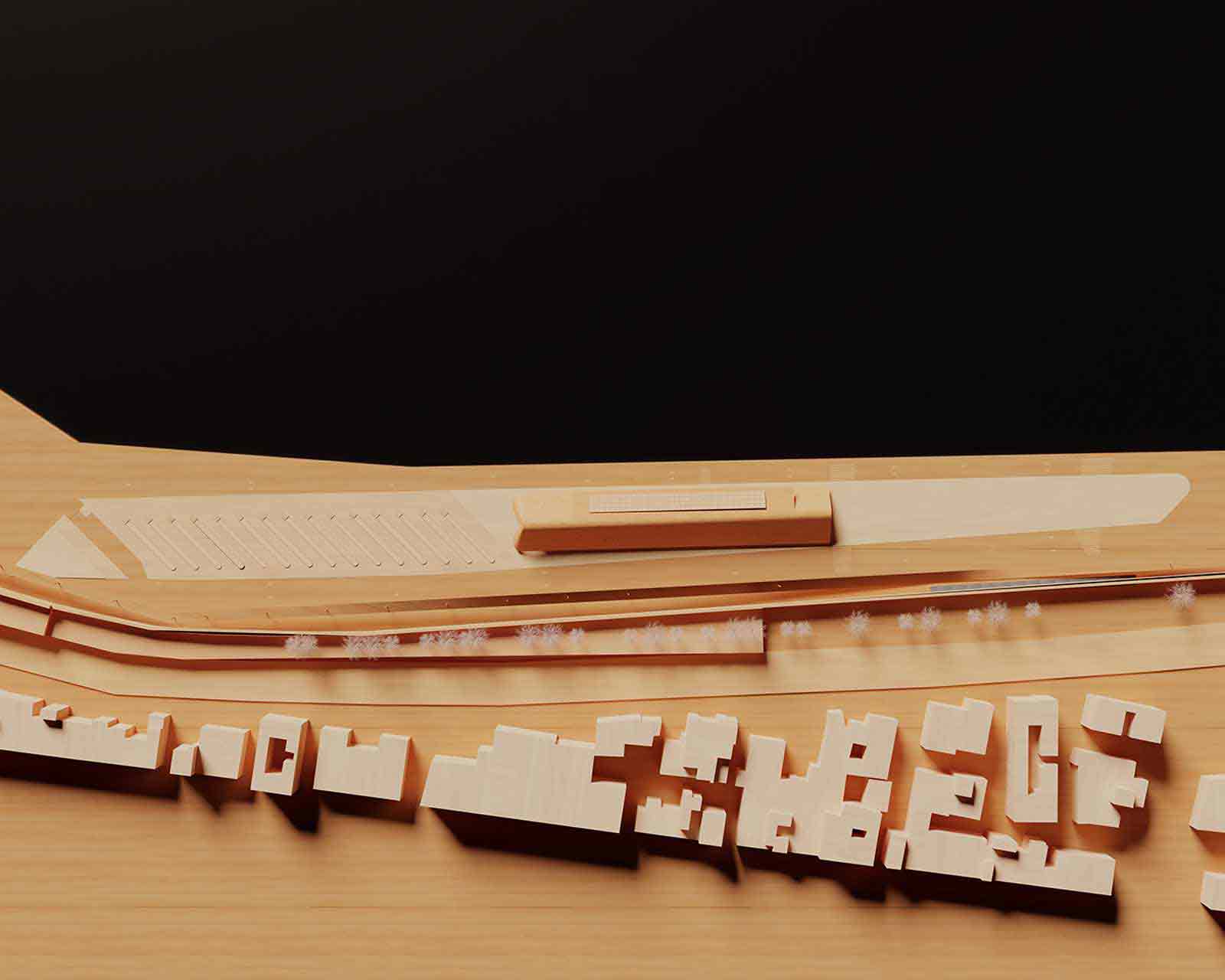
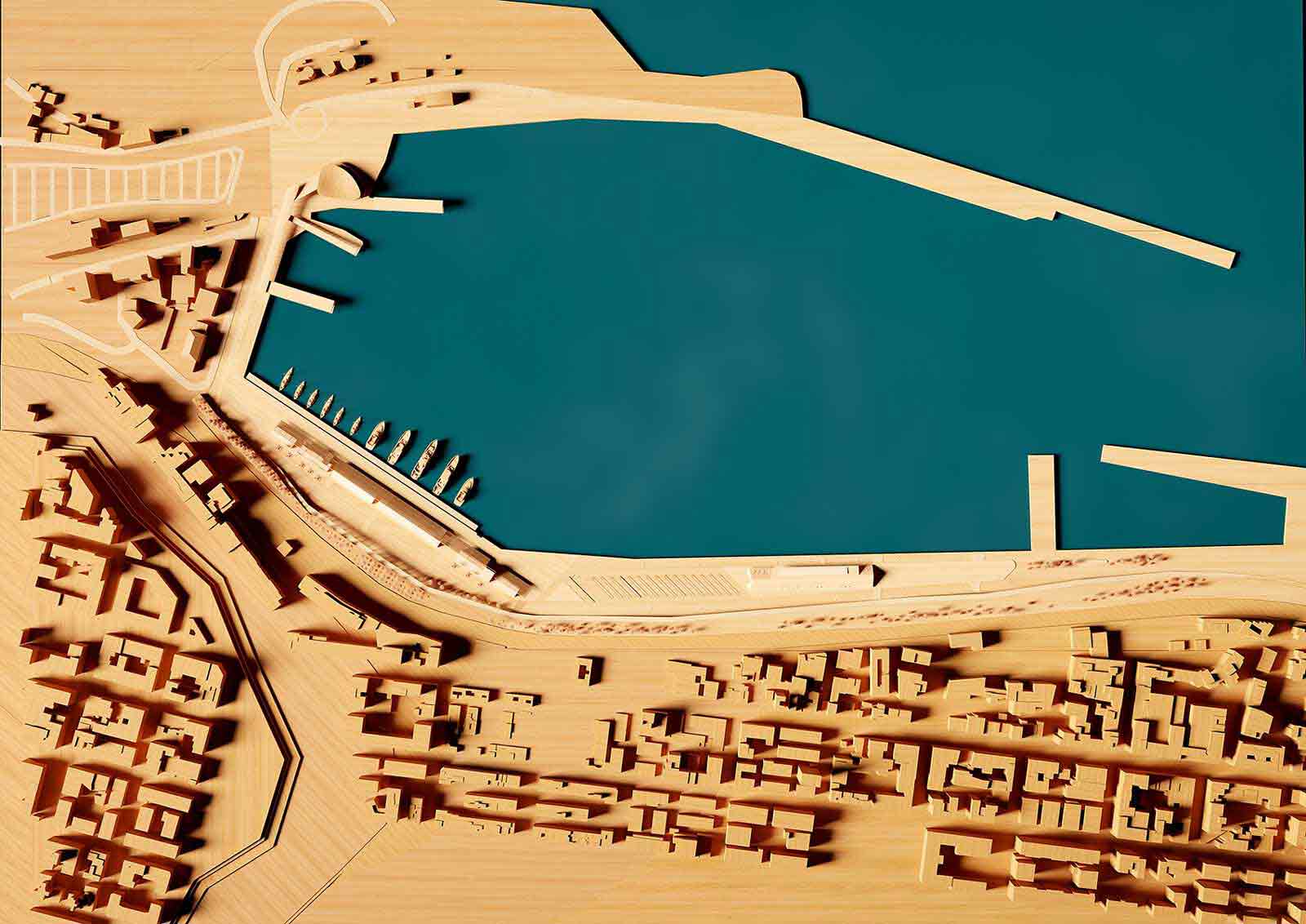
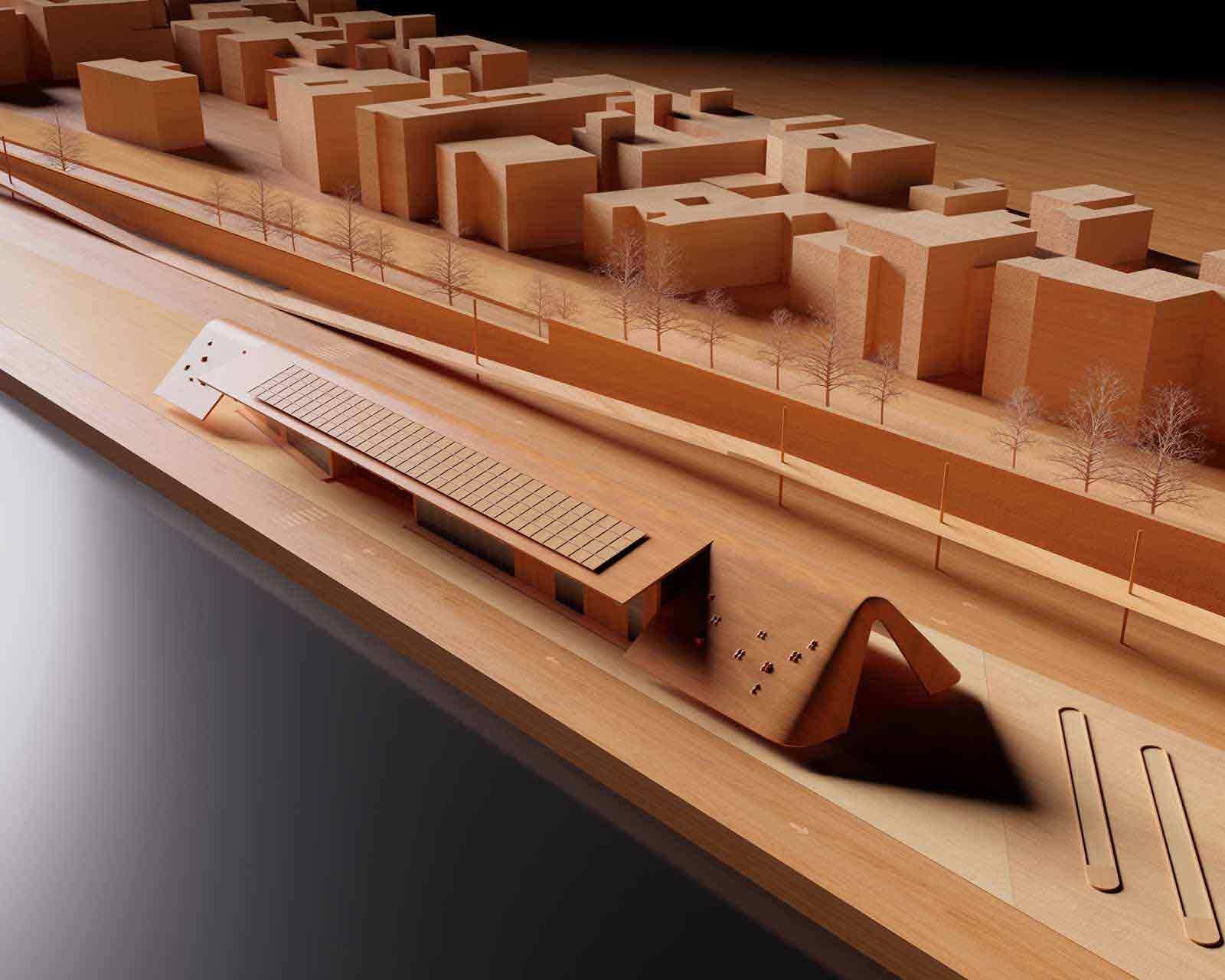
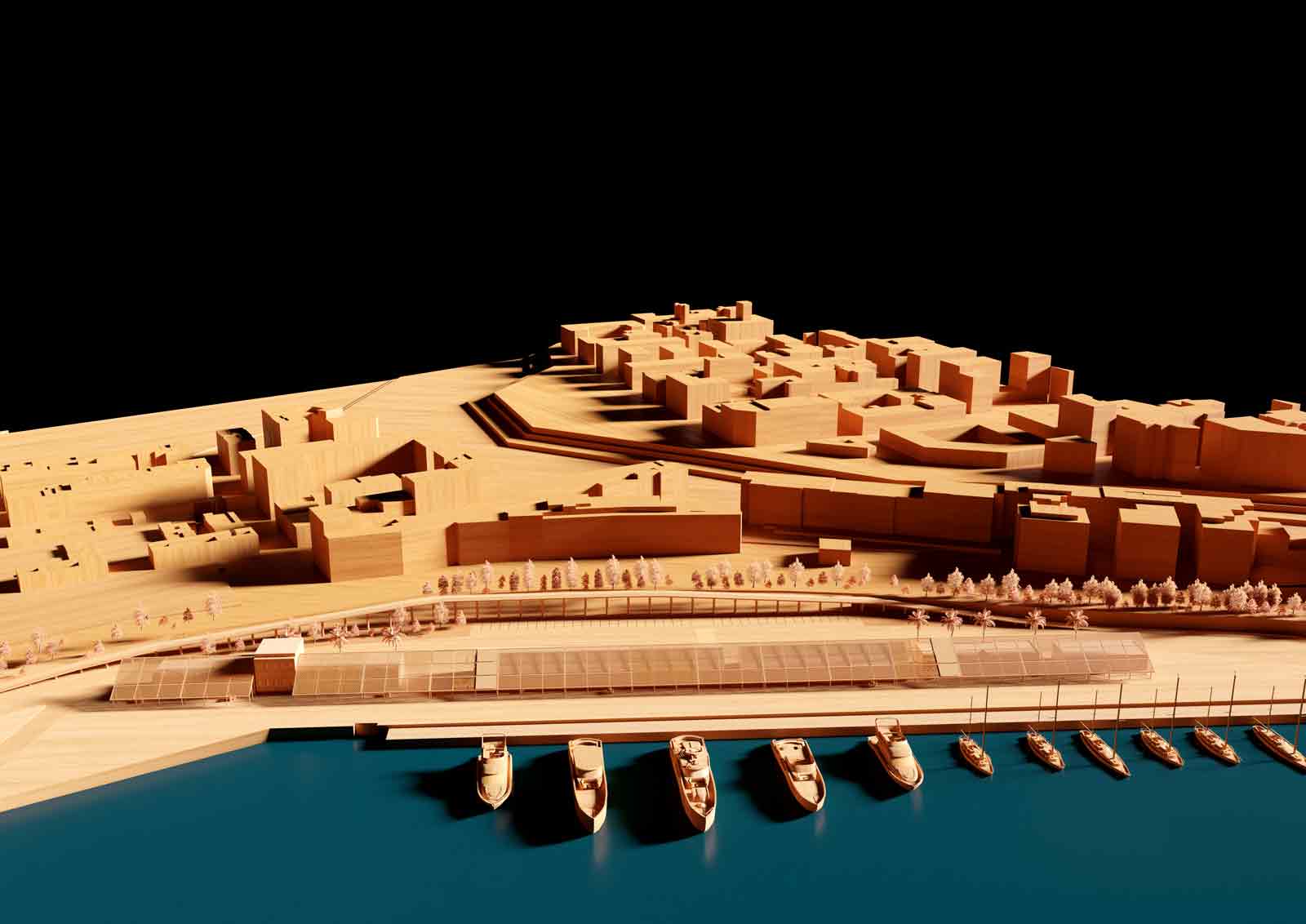
programme: Redevelopment works for areas, structures, and infrastructures within the Port of Reggio Calabria; construction of the new cruise terminal, cycle-pedestrian paths connecting to the waterfront, and a linear park within the port area.
area: RAS all lots: 46,428 sqm
calendar: Progetto 2023, PFTE consegnato 2024
renderings: ©AF517, ©Diorama
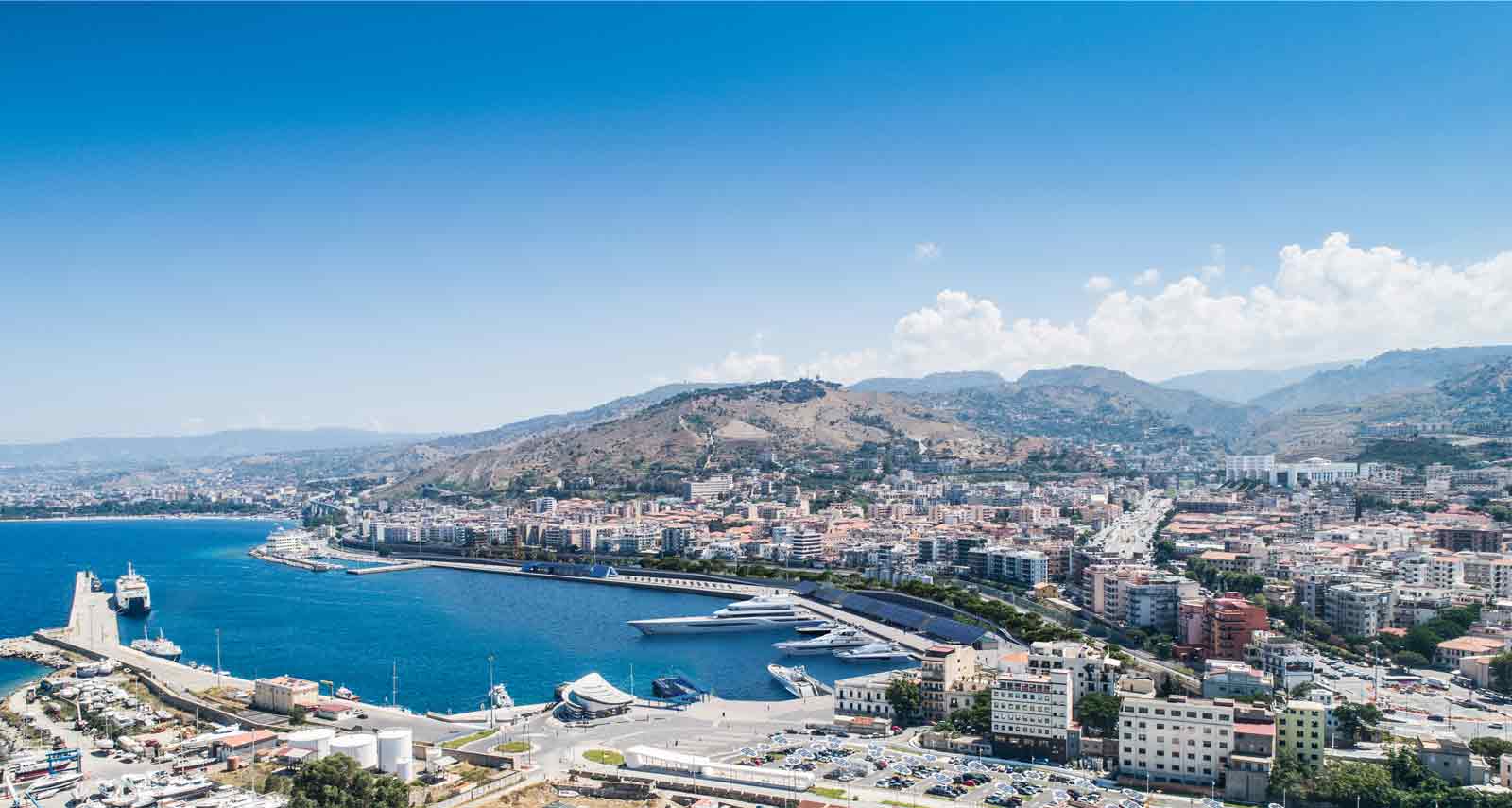
photography: ©Stefano Anzini (stato di Fatto)
Many shortcomings hinder the development of the port at a territorial scale. In terms of integration with other Calabrian nodes included in the central and global European networks, the port does not benefit from a direct road connection to Reggio Calabria Airport, nor from direct rail links to the same airport, to Lamezia Terme Airport, or to the Port of Gioia Tauro. Port and city, therefore, appear to have little relationship with one another, seeming “foreign” to each other for two main reasons: on the one hand, the self-contained management of port authorities; on the other, the limited capacity of urban planning to manage the spatial effects of infrastructure policies, which are often sectoral and self-referential. THE URBAN WATERFRONT HAS BECOME A HIGHLY RELEVANT ISSUE, AFFECTING NOT ONLY LARGE URBAN CENTERS BUT ALSO SMALL AND MEDIUM-SIZED CITIES OVERLOOKING WATER, WHICH ARE SEEKING TO SEIZE THE OPPORTUNITIES OFFERED BY THE INTERFACES BETWEEN THE URBAN FABRIC AND THE WATER. Territorial contexts to be restored to accessibility and public use have, in recent years, become the focus of interesting processes of urban-port reconversion and transformation projects along waterfronts; complex territories and relationships that encapsulate the contradictions and challenges of contemporary design; different scales, territorial strategies, tools, funding mechanisms, and aspects involved in the transformation of port cities and urban waterfronts in Italy—examined to demonstrate that the relationship between city and port should not be conceived as a matter of homogeneity, but rather of diversity, where policies, projects, actors, and resources do not necessarily assume the same roles. Recent studies, together with public debate, have brought the port issue back to the forefront, highlighting it as an underused infrastructure relative to its potential. In particular, it has been noted that railway installations within the port area, the elevated ring road, and the disordered development of the nearby Santa Caterina district have contributed to creating a “barrier” between Reggio and its sea. Enhancing the “in-between land” of the waterfront at territorial, urban, and extra-urban scales—through the creation of a pathway that strengthens connections and activates permanent civic, sports, and social functions alongside more specifically port-related ones—represents a project of connectivity that goes far beyond infrastructure and its associated elements.