



MASTERPLAN AREA STEPHENSON
Milan, Italy
Invited design competition 2022
program: Project for the masterplan of the new multifunctional complex in the Stephenson Area in Milan, including the development of production, office, hospitality, and commercial spaces.
area: 70.000 sqm
client: UnipolSai investimenti SGR
project: Atelier(s) Alfonso Femia *AF517
structural and services engineering: Deerns
images: ©Atelier(s) Alfonso Femia, ©Diorama
“A new urban figure between the city and the Milanese territory” — AF
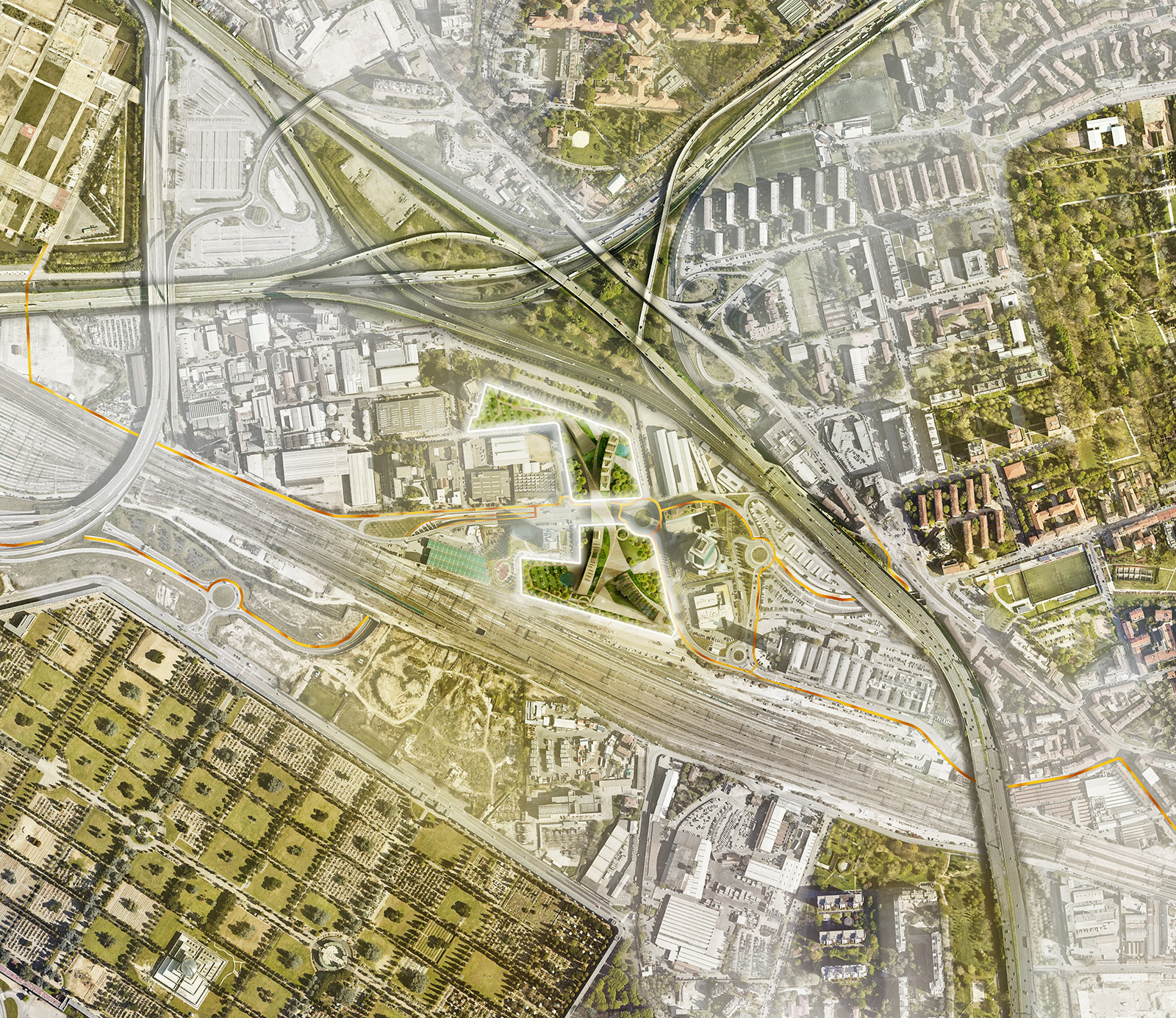
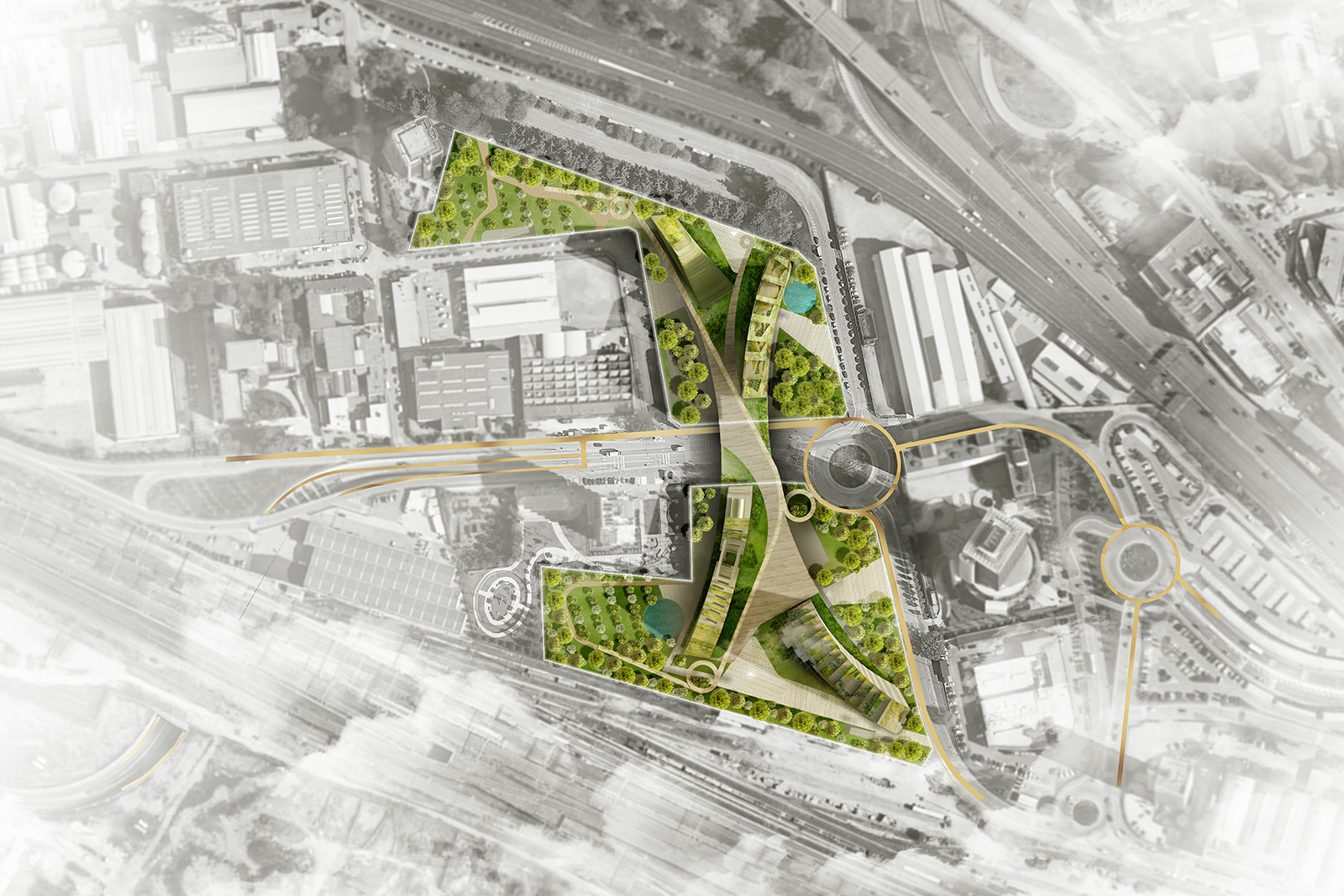
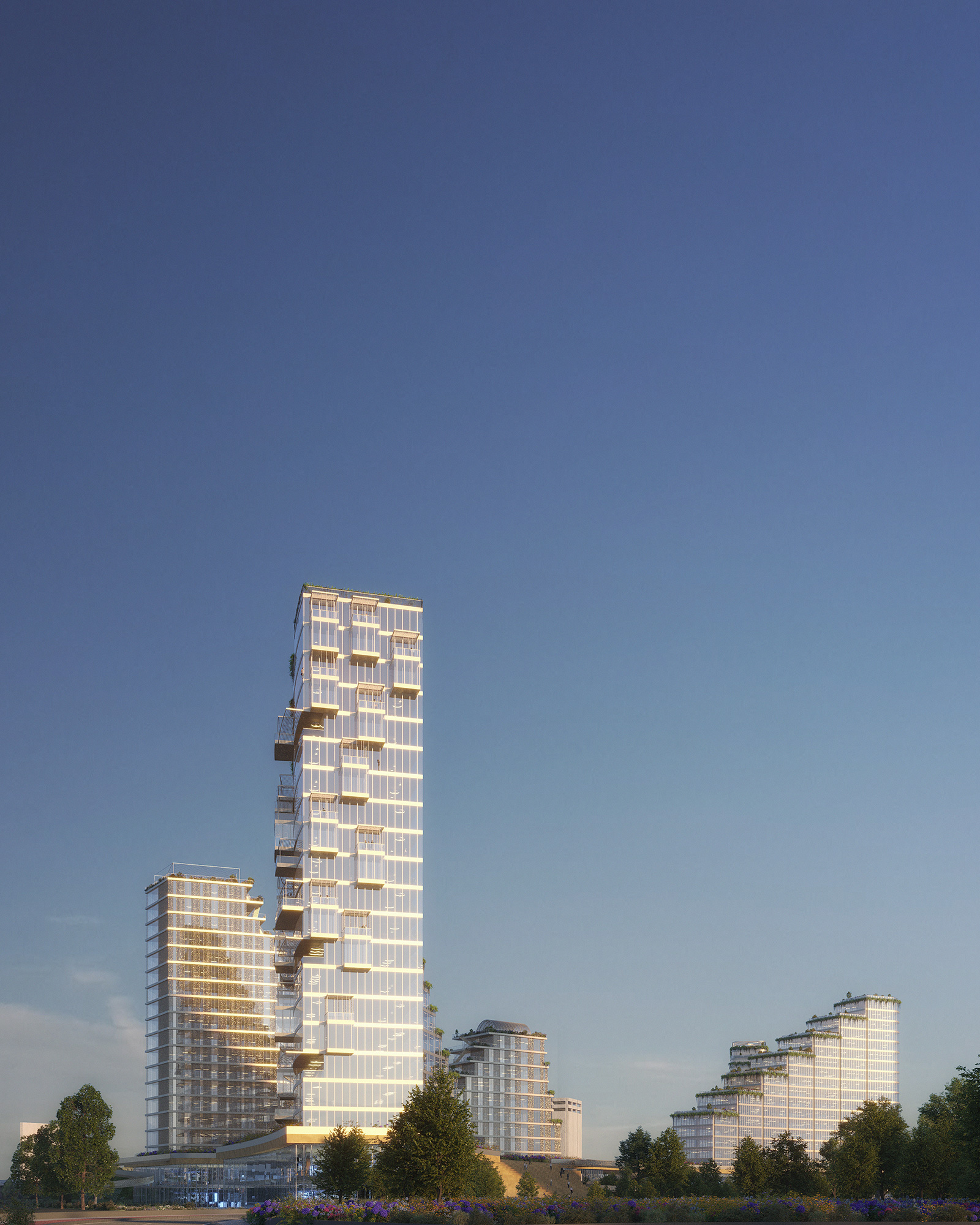
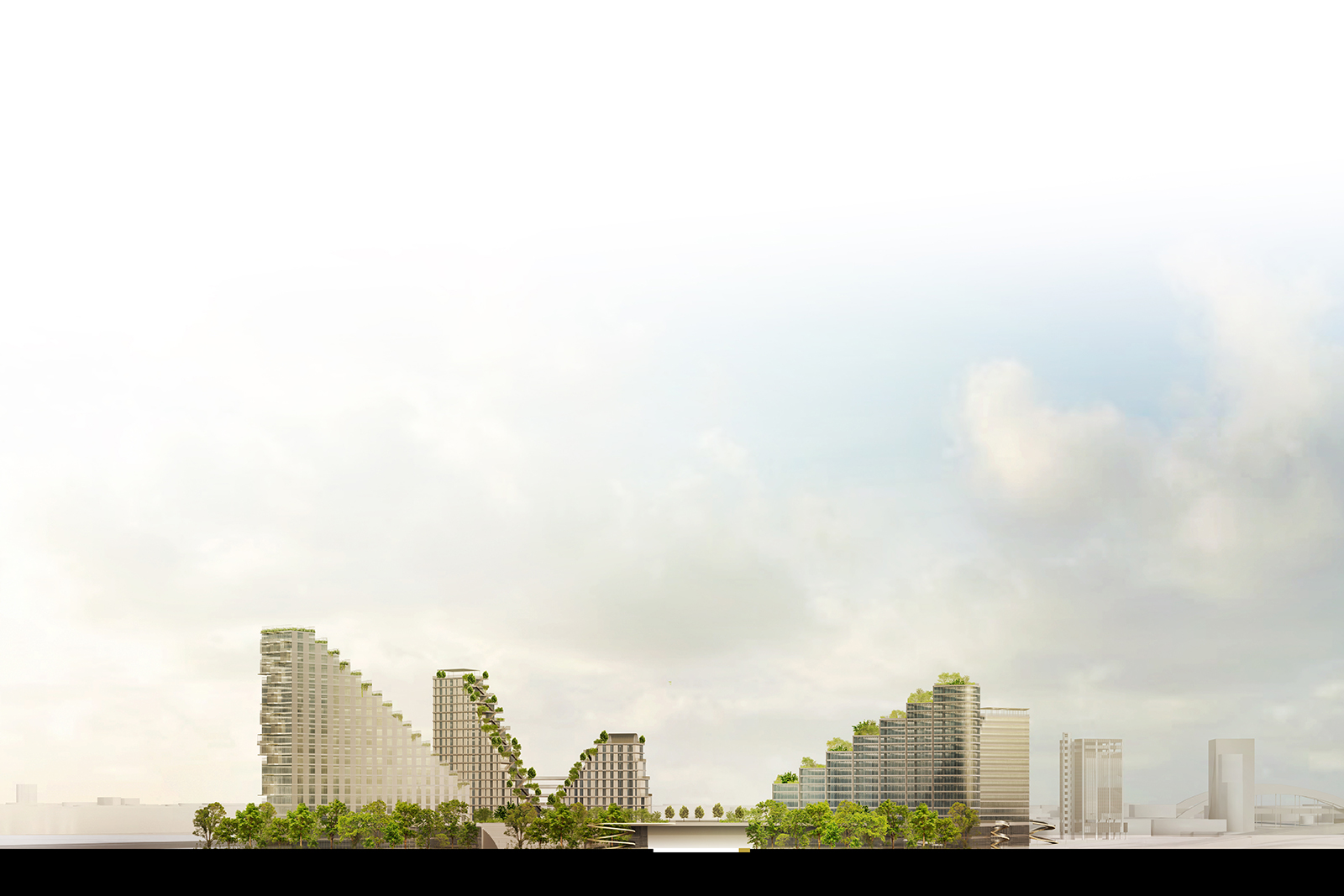
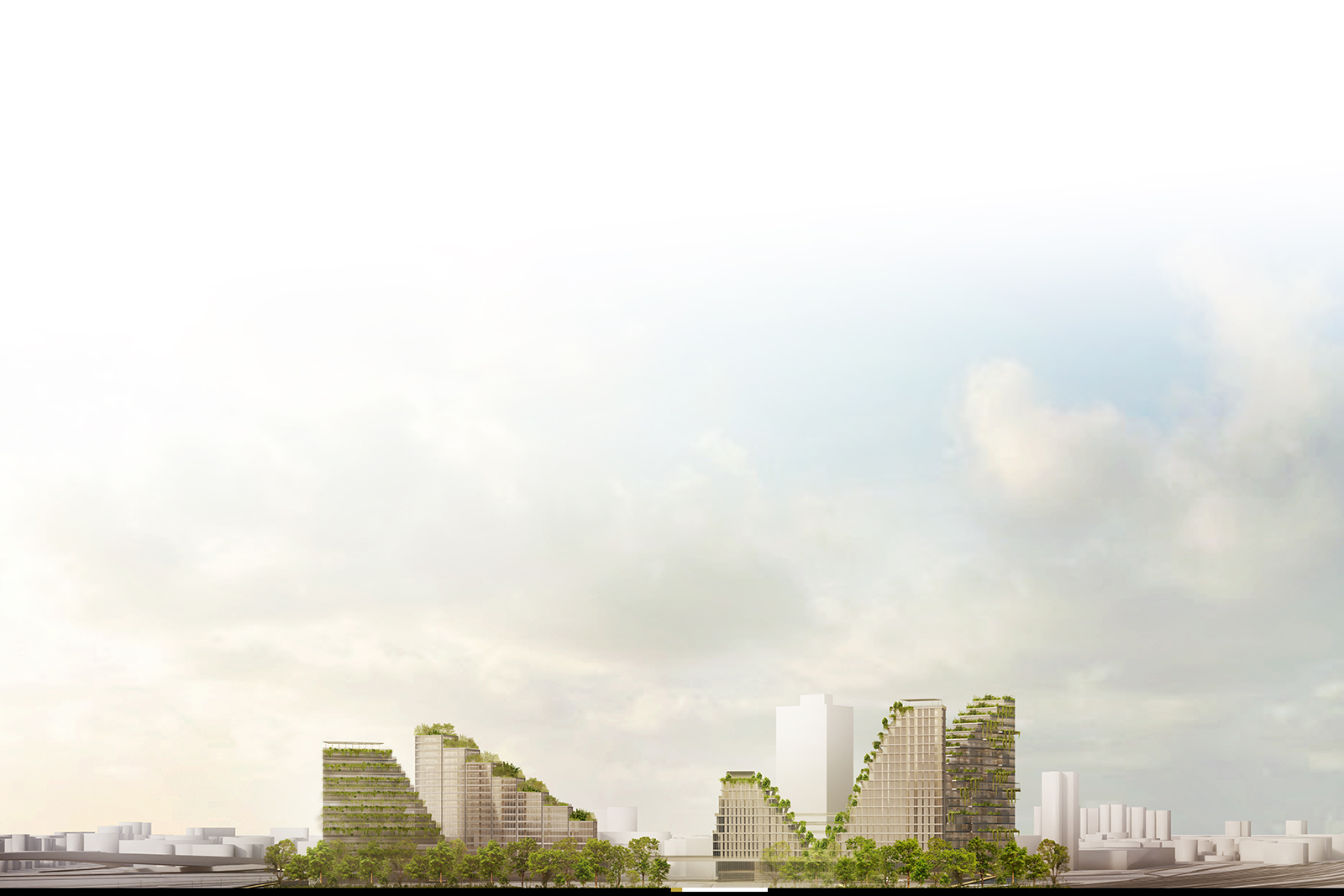
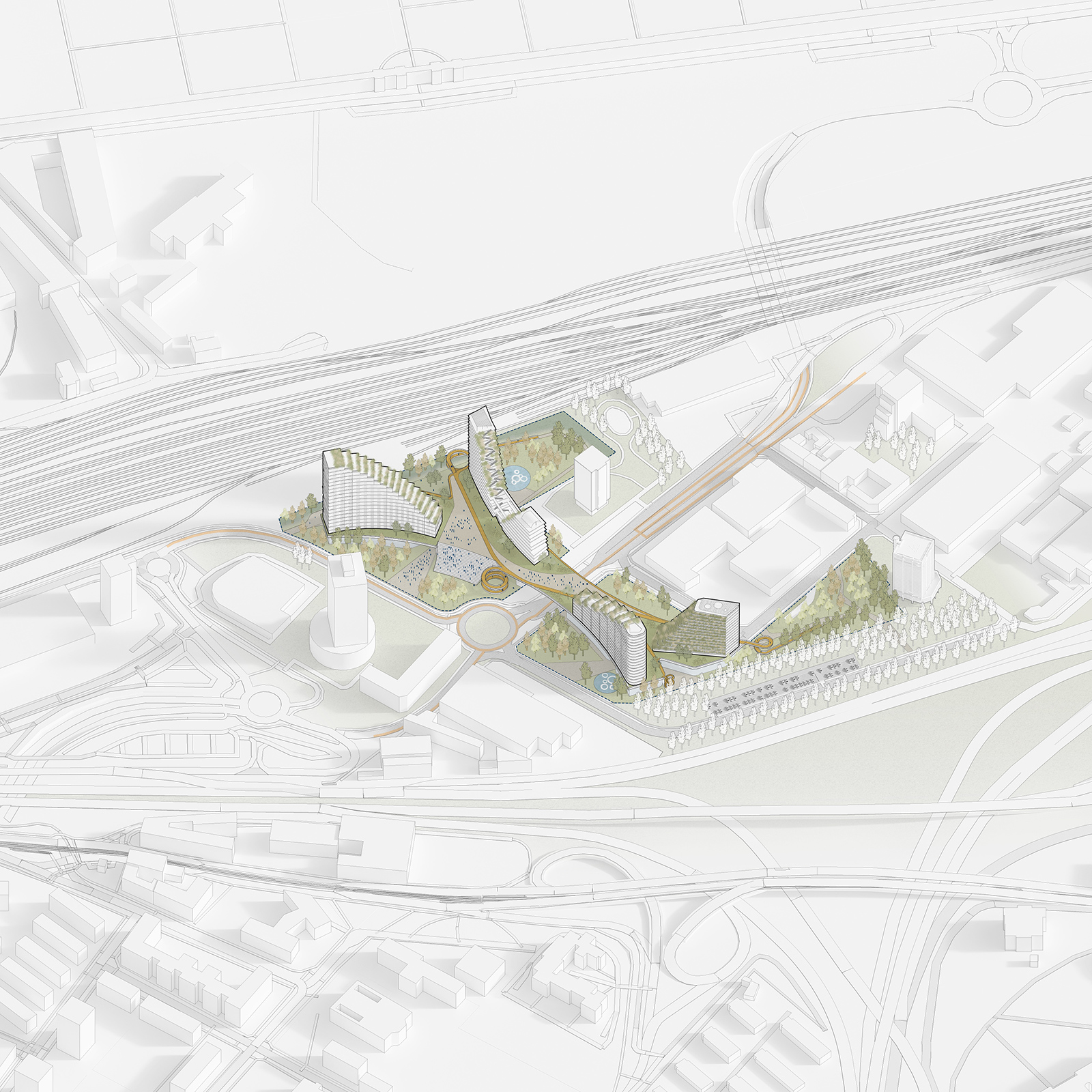
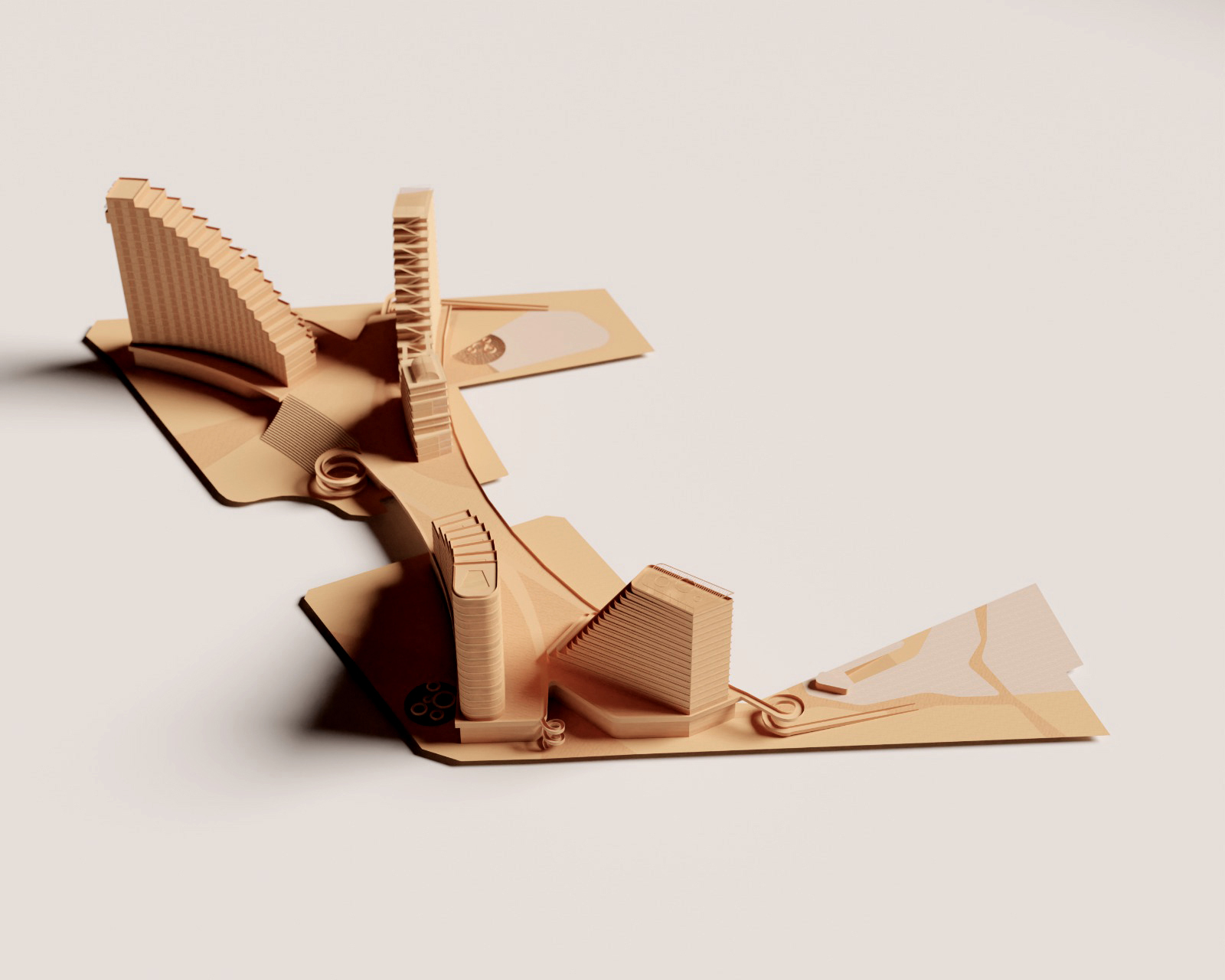
The ambition (and responsibility) of the project is to create a hinge element capable of redefining a continuity (generosity) between the urban area of Milan and the development of the north-western outskirts, establishing a new identity as a gateway/portal to the Milan metropolitan territory. The necessary design choice is to invert the relationship between built area and permeable land, creating more than 3 hectares of green space at ground level (+70%) serving the neighbourhood.
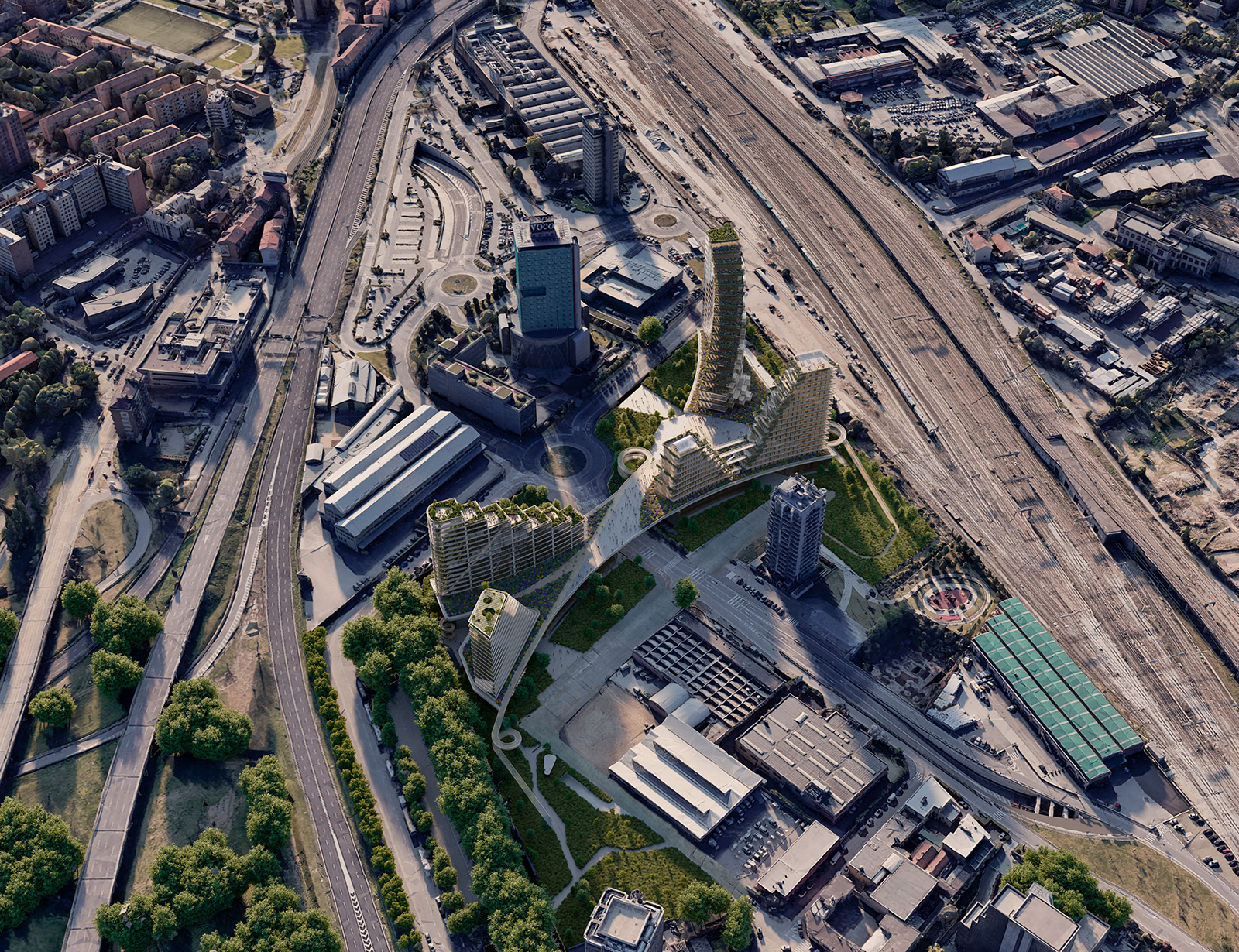
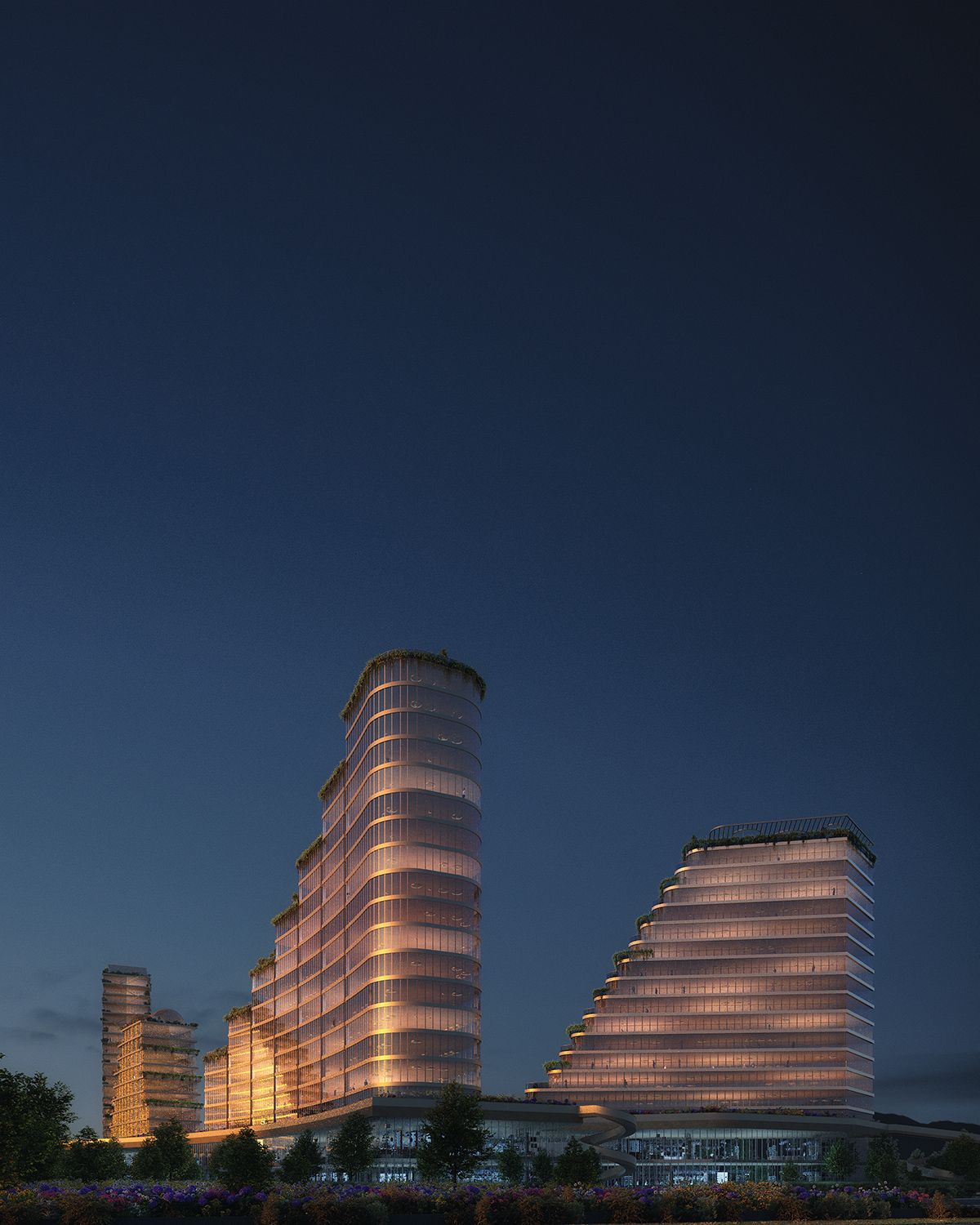
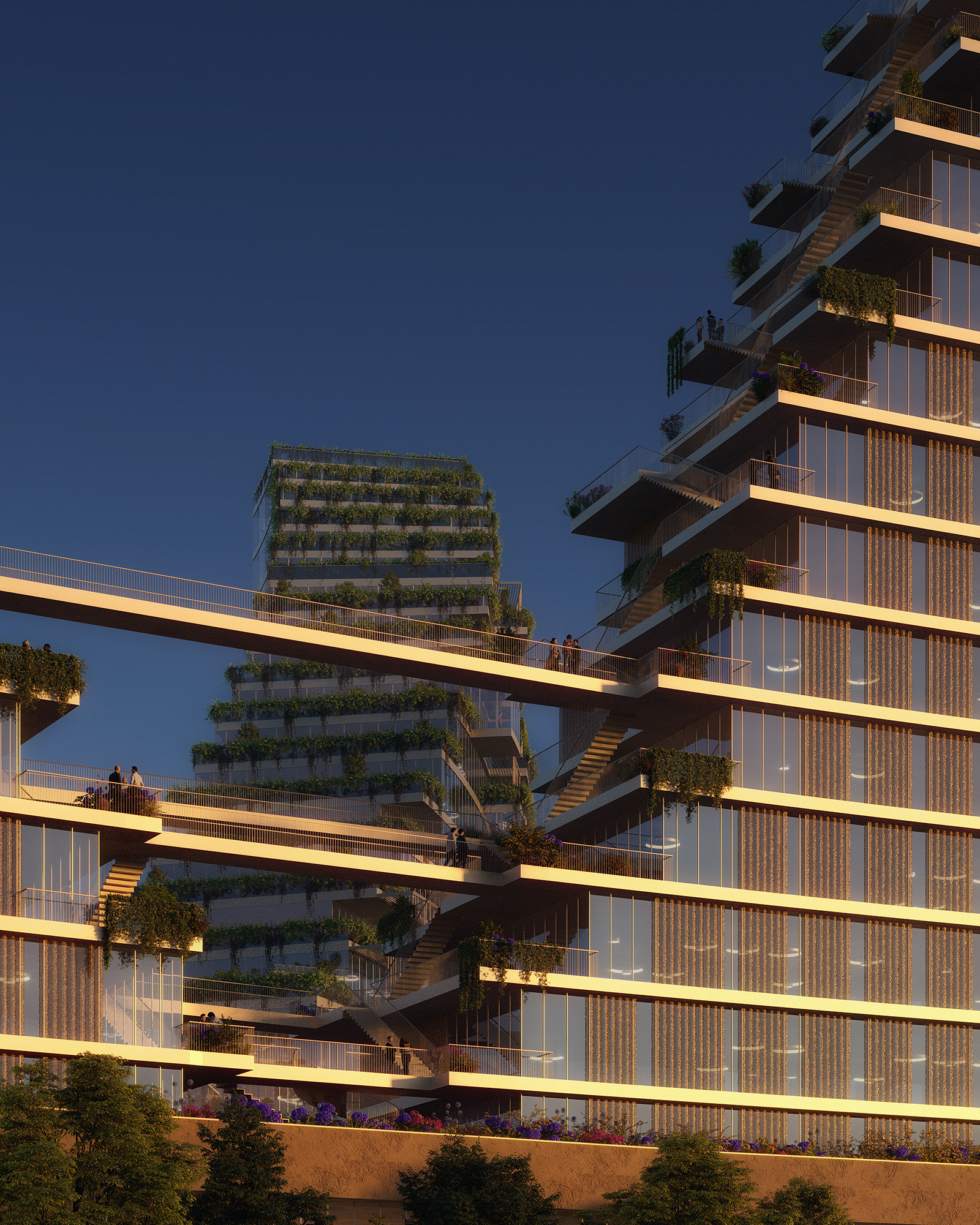
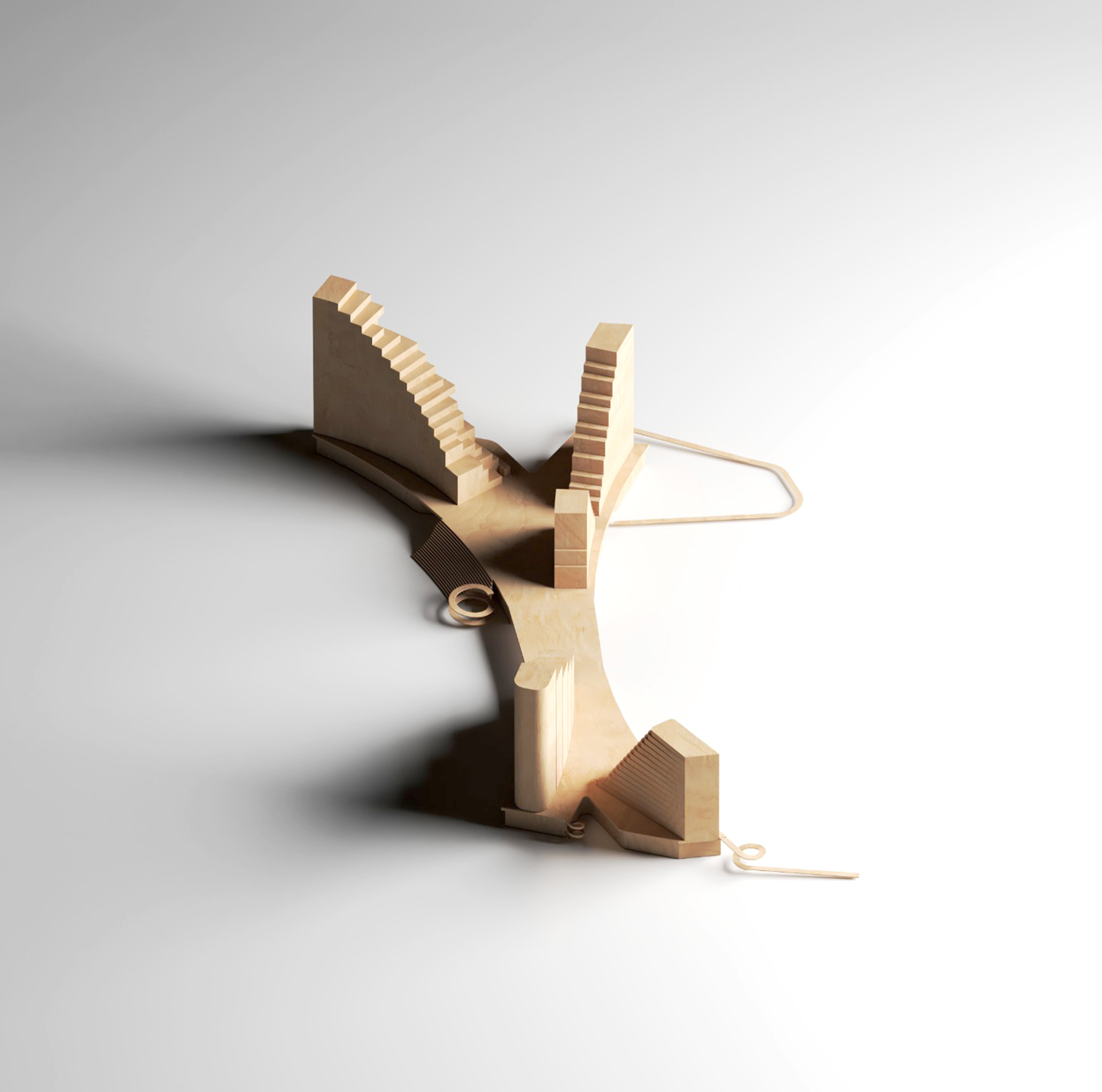
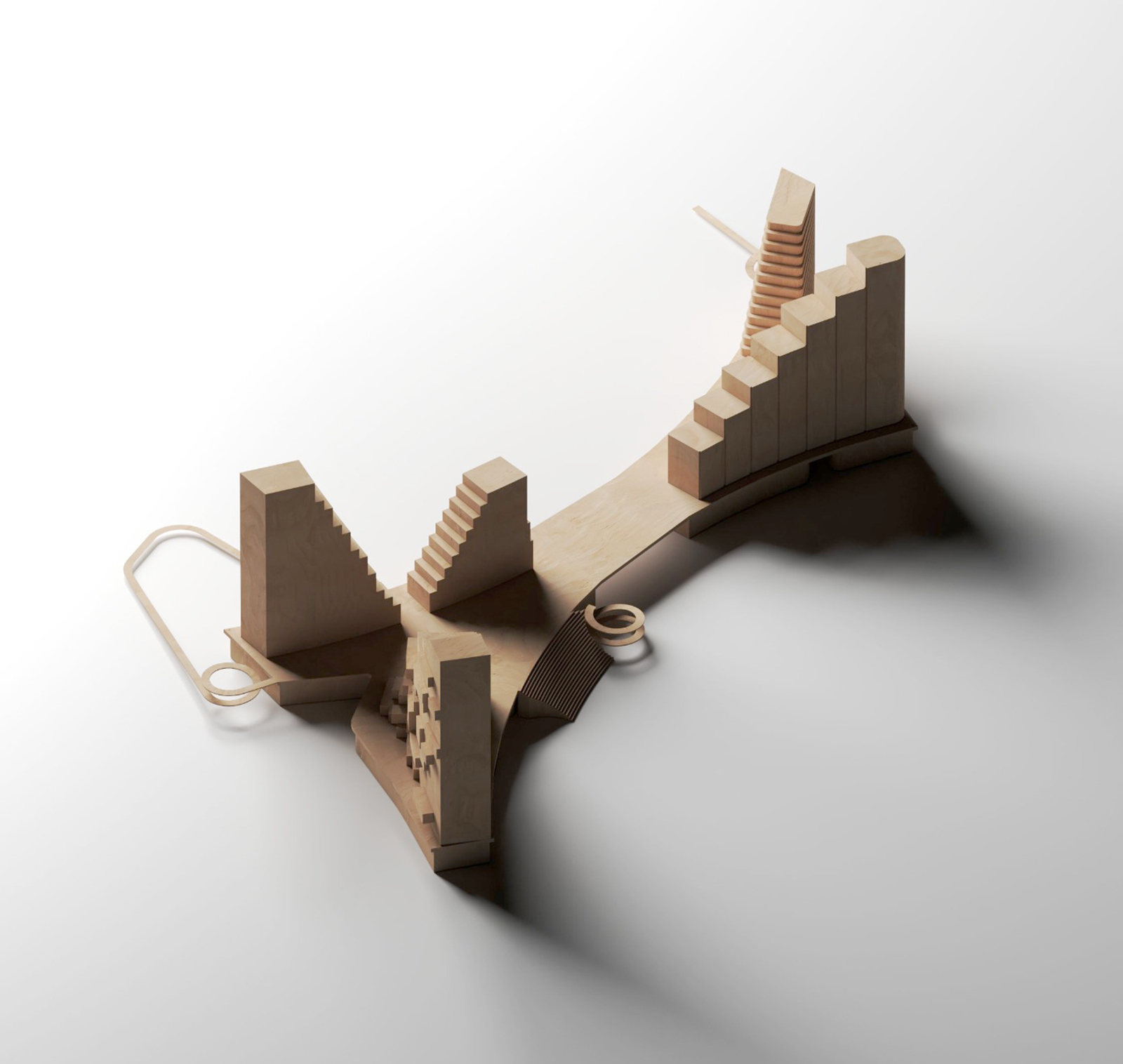
The buildings are arranged to create a landscape within the landscape, enhancing all visual axes and their exposure; each element develops its own architectural and typological identity, ensuring flexibility of use over time without permanently predetermining specific functions. The design approach to vegetated spaces follows the morphology of the project, creating three overlapping landscapes: from the large external park to the more punctual elements of the stepped terraces.
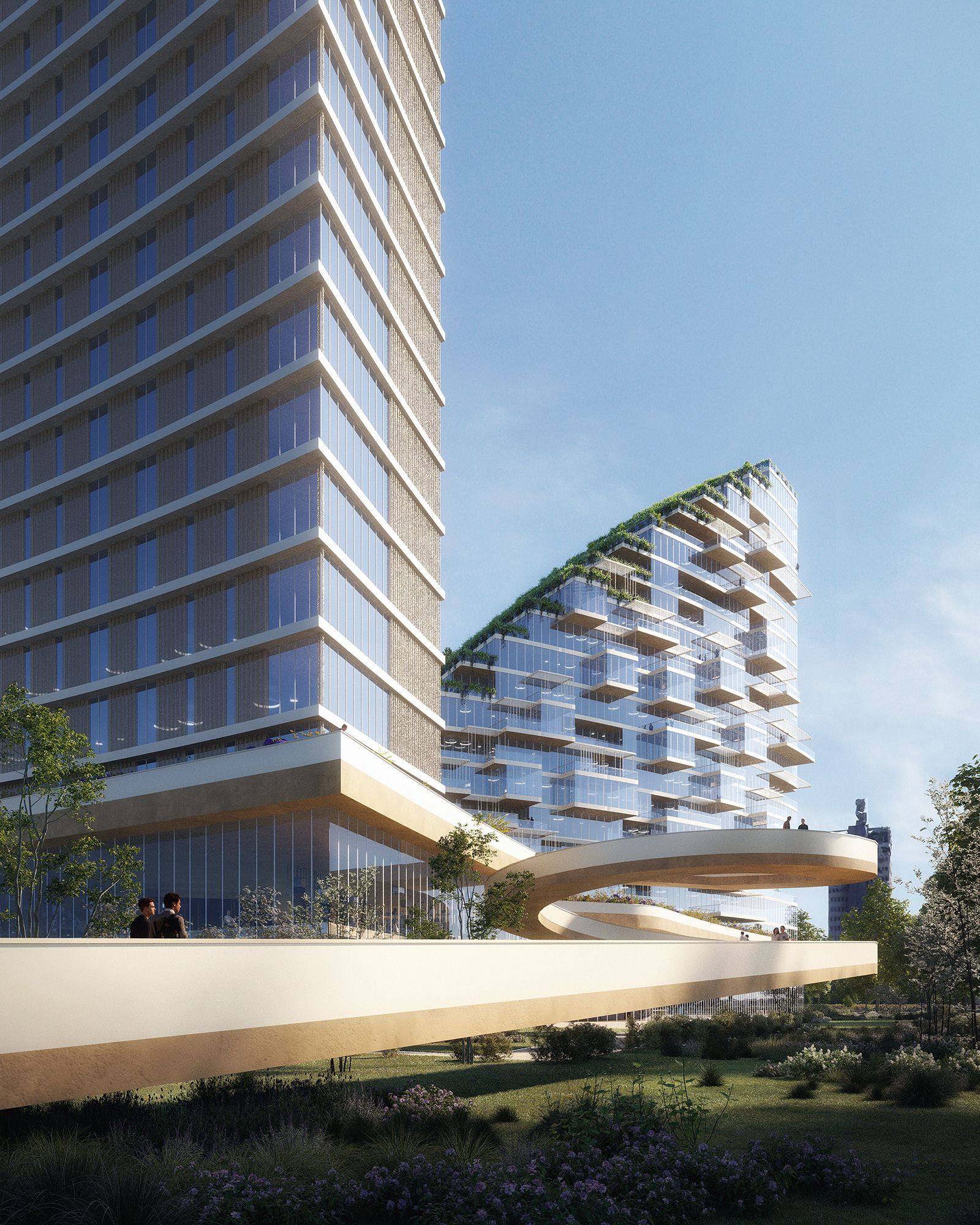
The functional program we propose includes an “active base” capable of responding to the collective needs of various services. This base extends to the podium through a continuous promenade that becomes a connective public system and a horizontal landscape, transforming the perception of both the context and the project itself.
The project is conceived as an ecosystem that combines city and nature, becoming a positive example of urban regeneration through three main strategies: URBAN MINING, as a process of deconstruction and a virtuous example of circularity; SITE-SPECIFIC DESIGN, addressing contextual issues such as acoustics, water and air; ZERO-EMISSION AMBITIONS, aiming to achieve carbon neutrality as early as 2030.
The system is designed to accommodate a modular timber construction system, ensuring reduced construction time, consequent savings in building costs, and a lower environmental impact.
The buildings are arranged to create a landscape within the landscape, enhancing all visual axes and their exposure; each element develops its own architectural and typological identity, ensuring flexibility of use over time without permanently predetermining specific functions. The design approach to vegetated spaces follows the morphology of the project, creating three overlapping landscapes: from the large external park to the more punctual elements of the stepped terraces.
The functional program we propose includes an “active base” capable of responding to the collective needs of various services. This base extends to the podium through a continuous promenade that becomes a connective public system and a horizontal landscape, transforming the perception of both the context and the project itself.
The project is conceived as an ecosystem that combines city and nature, becoming a positive example of urban regeneration through three main strategies: URBAN MINING, as a process of deconstruction and a virtuous example of circularity; SITE-SPECIFIC DESIGN, addressing contextual issues such as acoustics, water and air; ZERO-EMISSION AMBITIONS, aiming to achieve carbon neutrality as early as 2030.
The system is designed to accommodate a modular timber construction system, ensuring reduced construction time, consequent savings in building costs, and a lower environmental impact.