



NEW HOLOCAUST MUSEUM
Montreal, Canada
Competition 2022
program: Construction of the New Holocaust Museum in Montreal, Canada: permanent exhibition, temporary exhibitions, agora, services, auditorium, research laboratories, bookshop, conservation spaces, administration, 26 bicycle parking spaces.
areas: gross floor area 4.636 sqm, snet floor area 3.252 sqm
client: Musée de l’Holocauste Montréal
project: Atelier(s) Alfonso Femia *AF517 with
Clément Blanchet Architecture, Diana Cardas Architecte
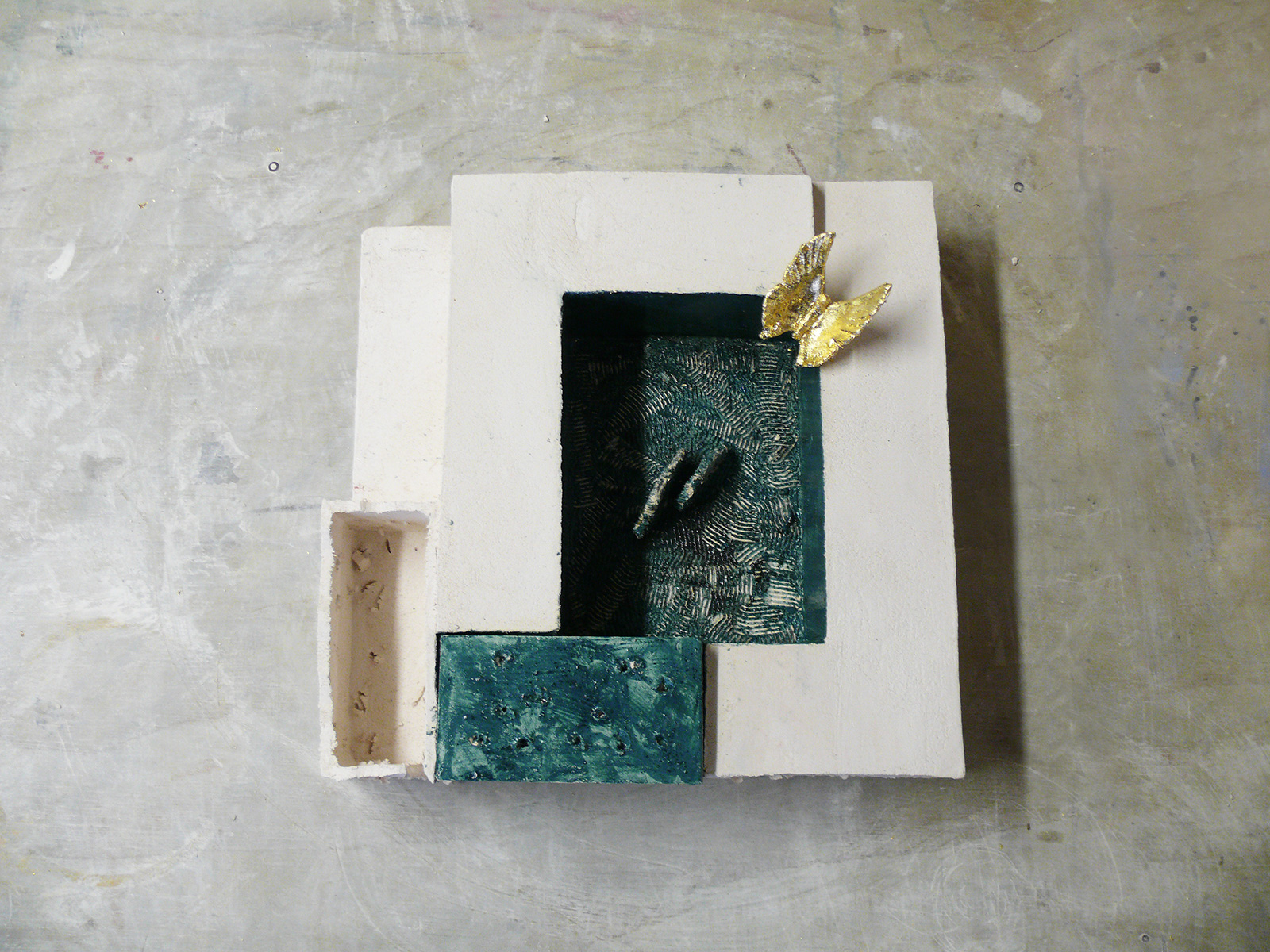
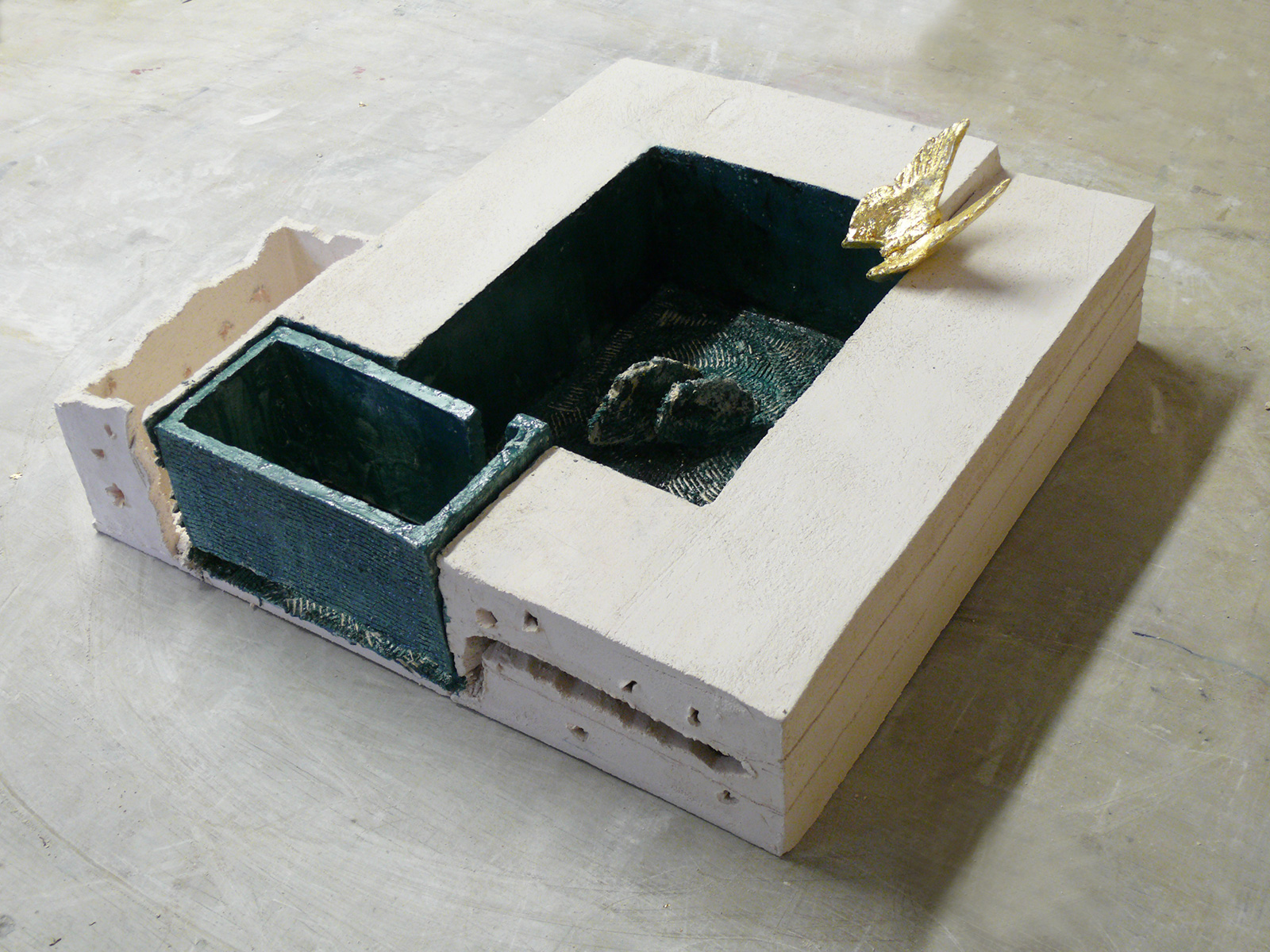
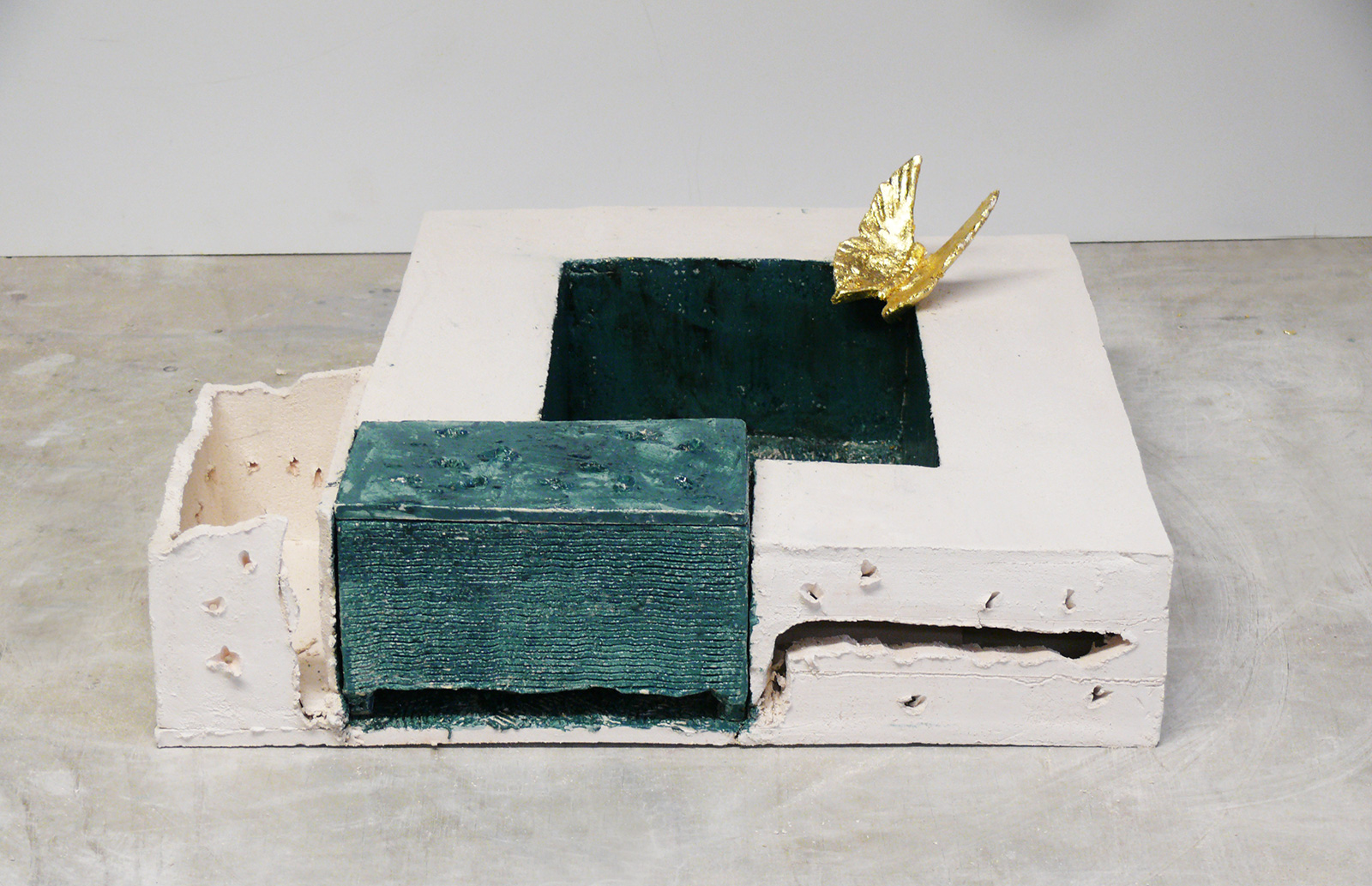
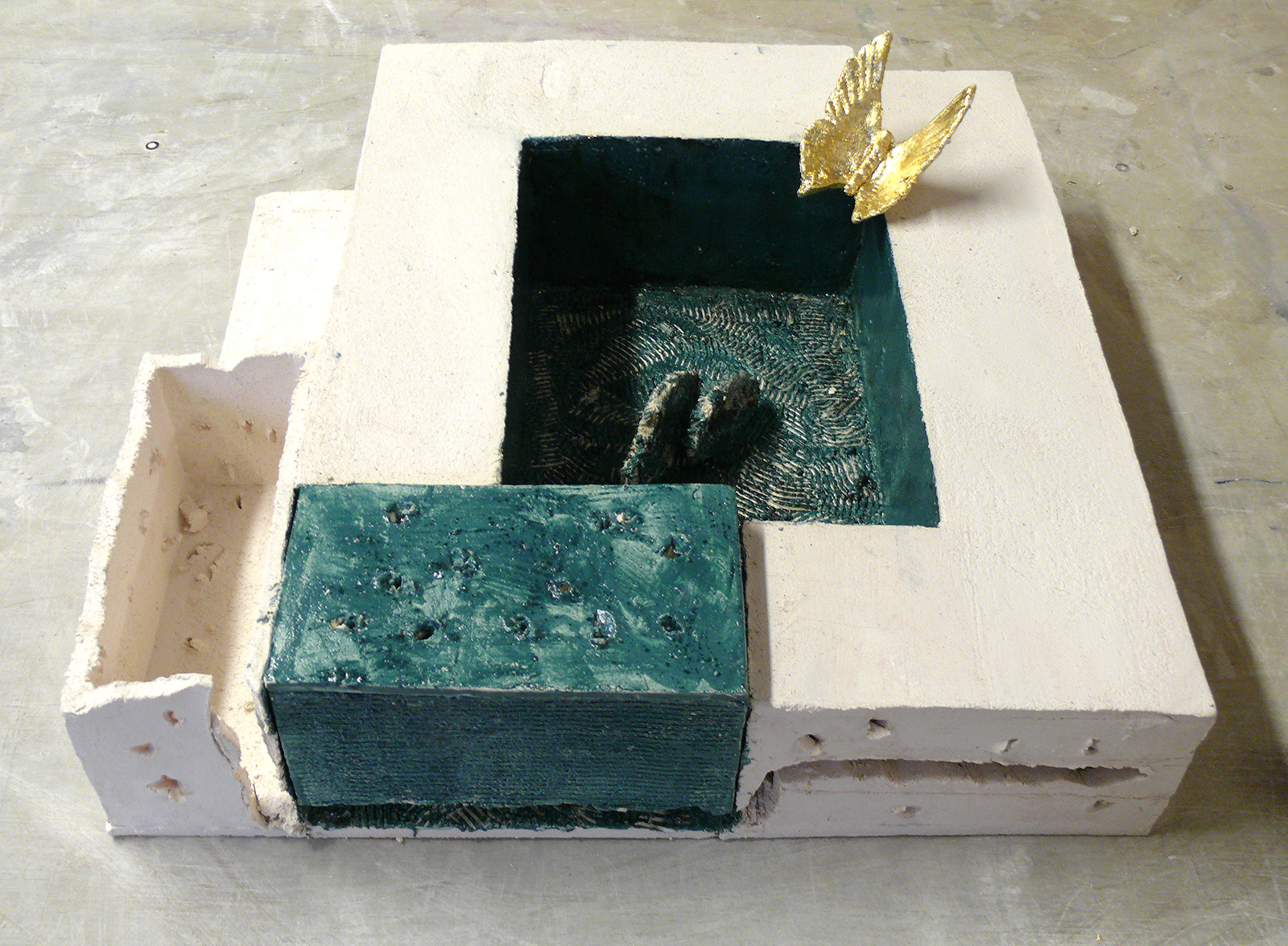
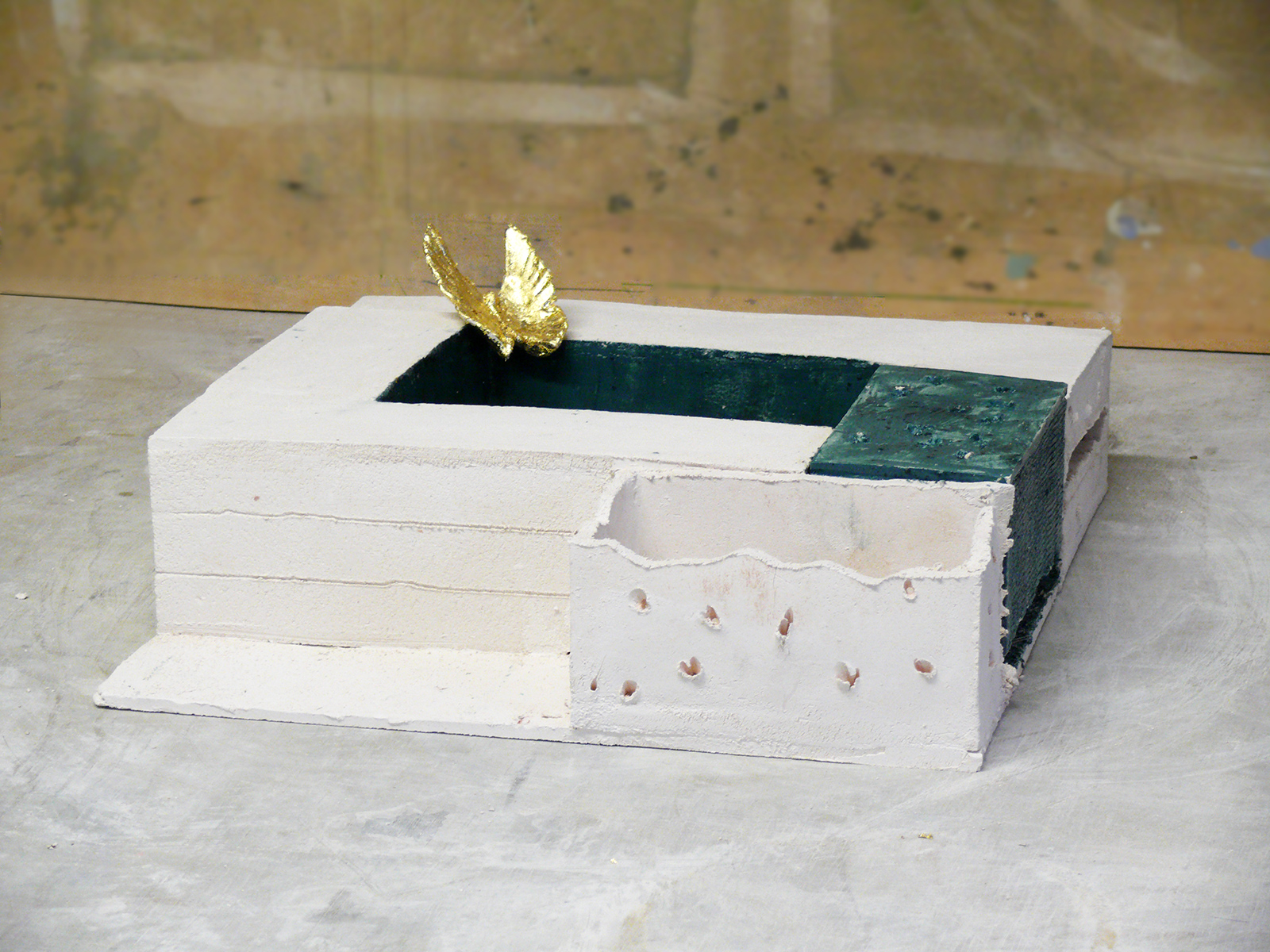
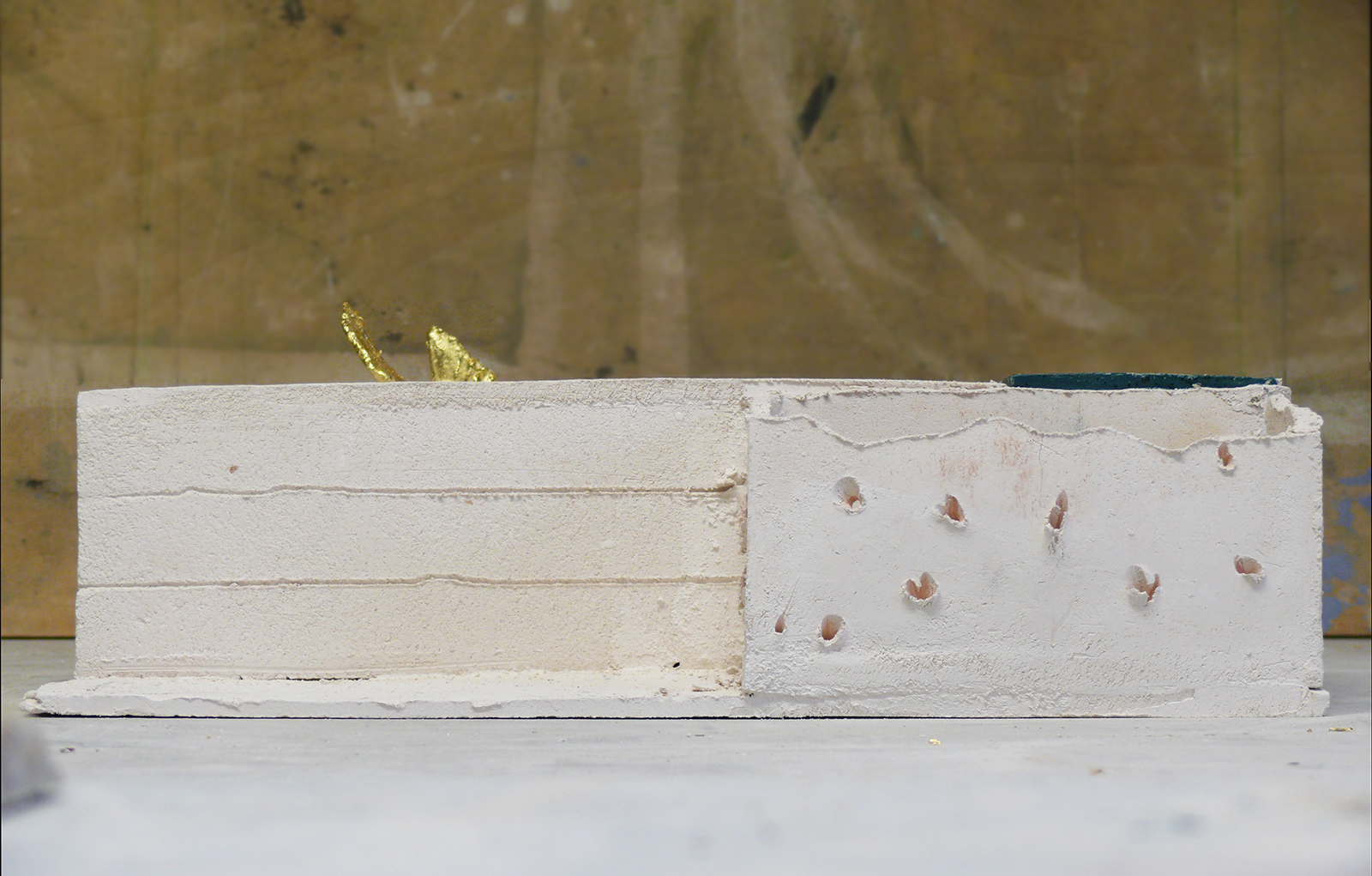
ceramic model: Danilo Trogu, La Casa dell’Arte di Albissola (SV)
images: ©Atelier(s) Alfonso Femia
“As a man without memory has no life, so a people lacking memory has no future.” Ferdinand Foch
The Holocaust marked history not only through the murder of six million people, but also through the rupture in the transmission of a culture and the uprooting of the survivors.
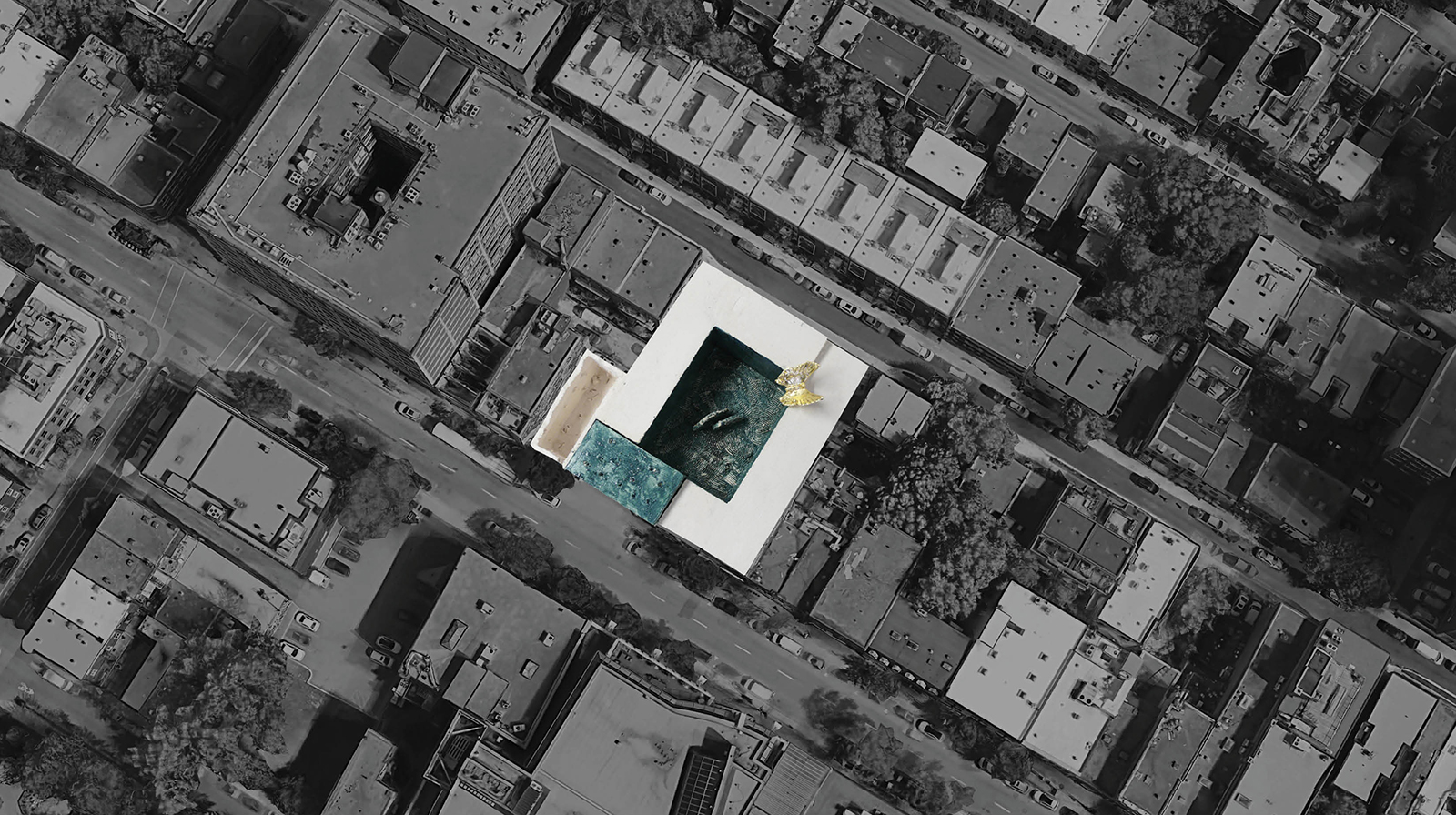
While respecting the surrounding heights, the parcel layout, and the volumetry of the two existing buildings that will be demolished, the project’s insertion into the urban fabric aims to mark this rupture while conveying a powerful message about the duty of memory and transmission. The building surprises— even unsettles— drawing attention to itself and to its mission. The intention is to break indifference and inaction. We propose a gesture that is both sensitive and powerful—an architecture conceived as a form of emotional education in the memory of the Holocaust.
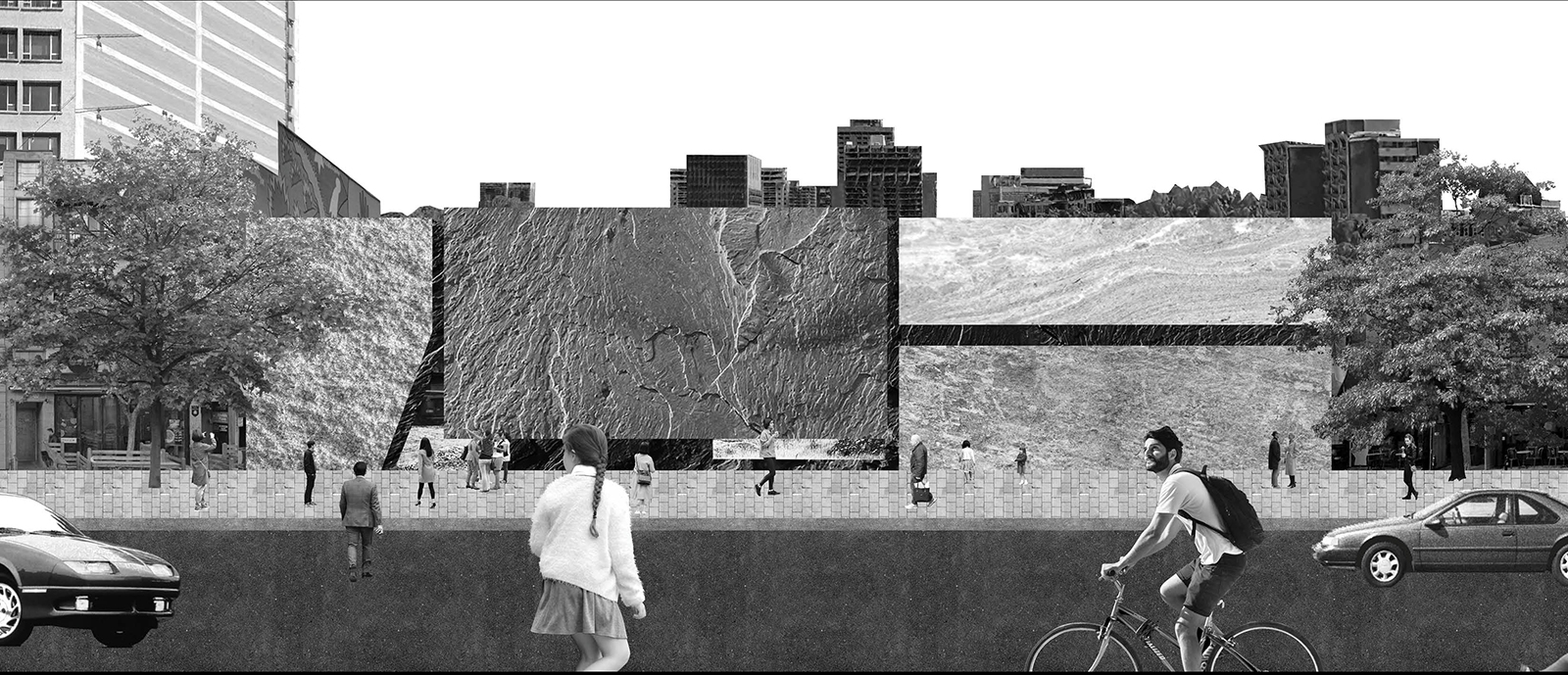
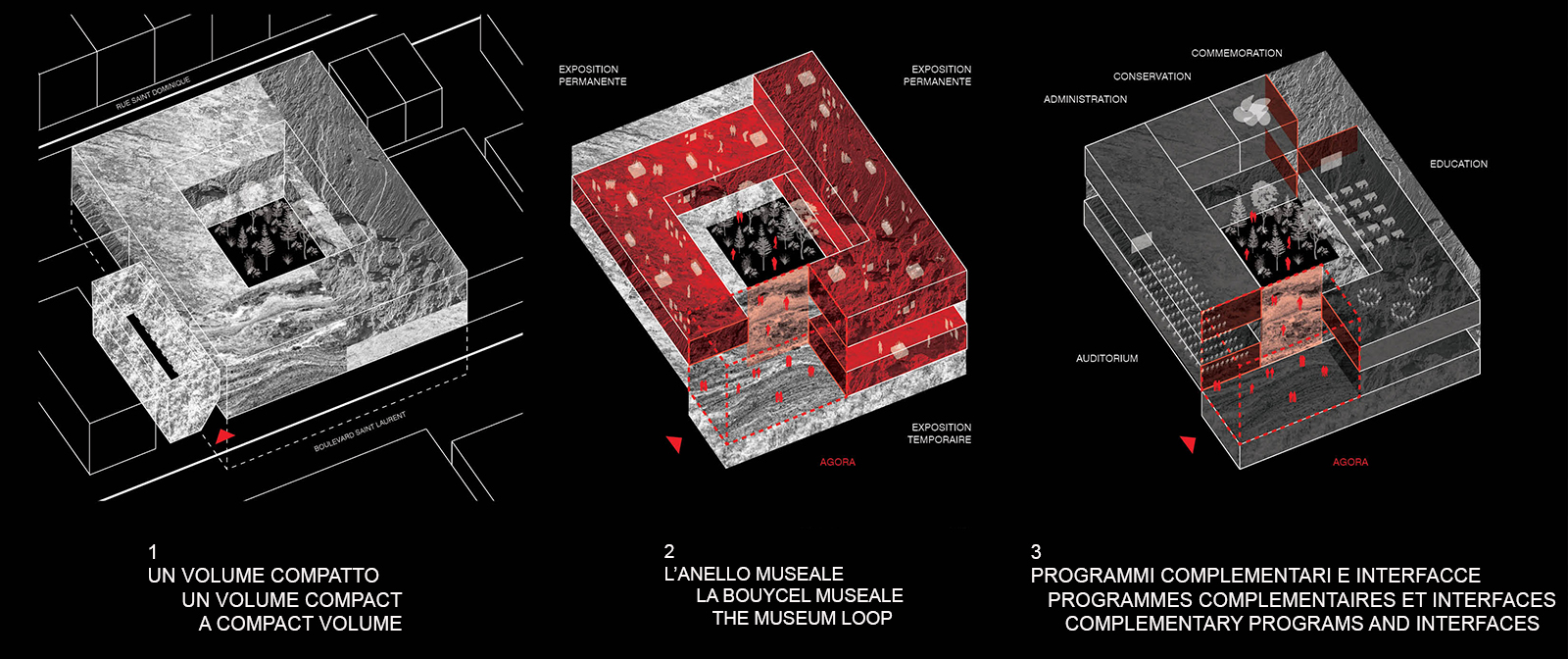
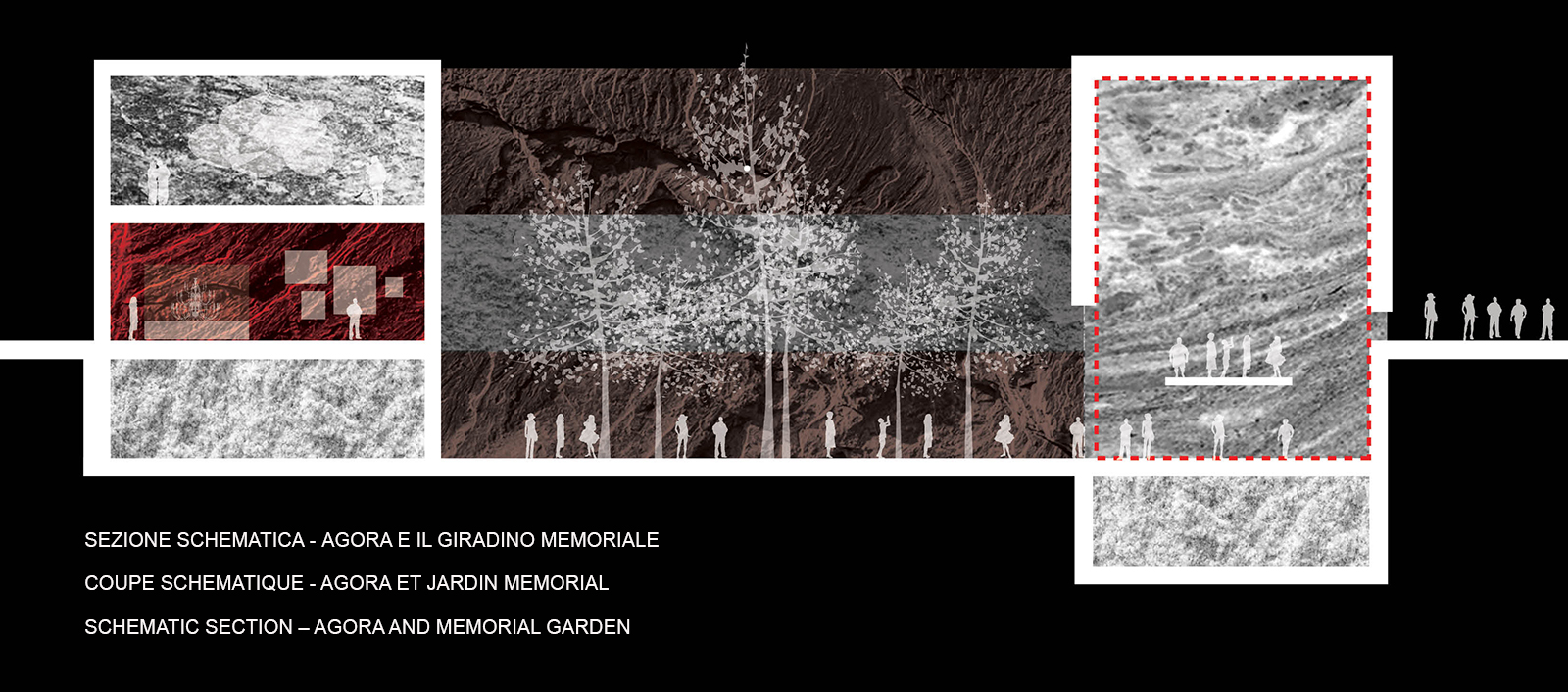
Thus, the MemHO project—the Memory of the Holocaust—seeks to establish a presence within the city. Its volume integrates with the scale of the street while standing out through the austerity of its texture. This urban attitude announces an introverted museum experience and conveys the weight of memory. The museum’s main components are inscribed within a primary mass: the agora is carved into the corner, the garden lies at the heart, the exhibition gallery wraps around the garden, and the other programs nest within the remaining volumes.
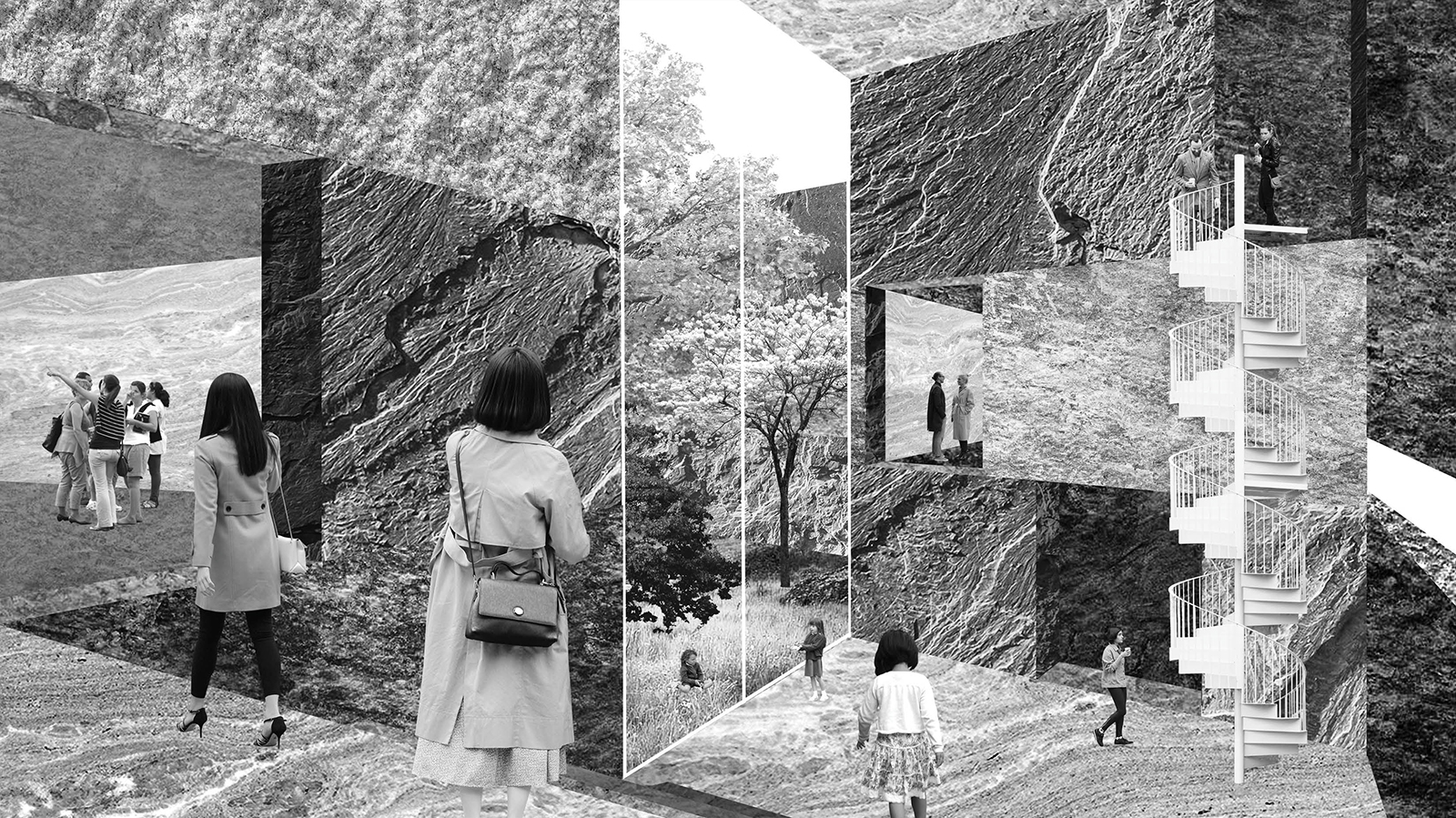
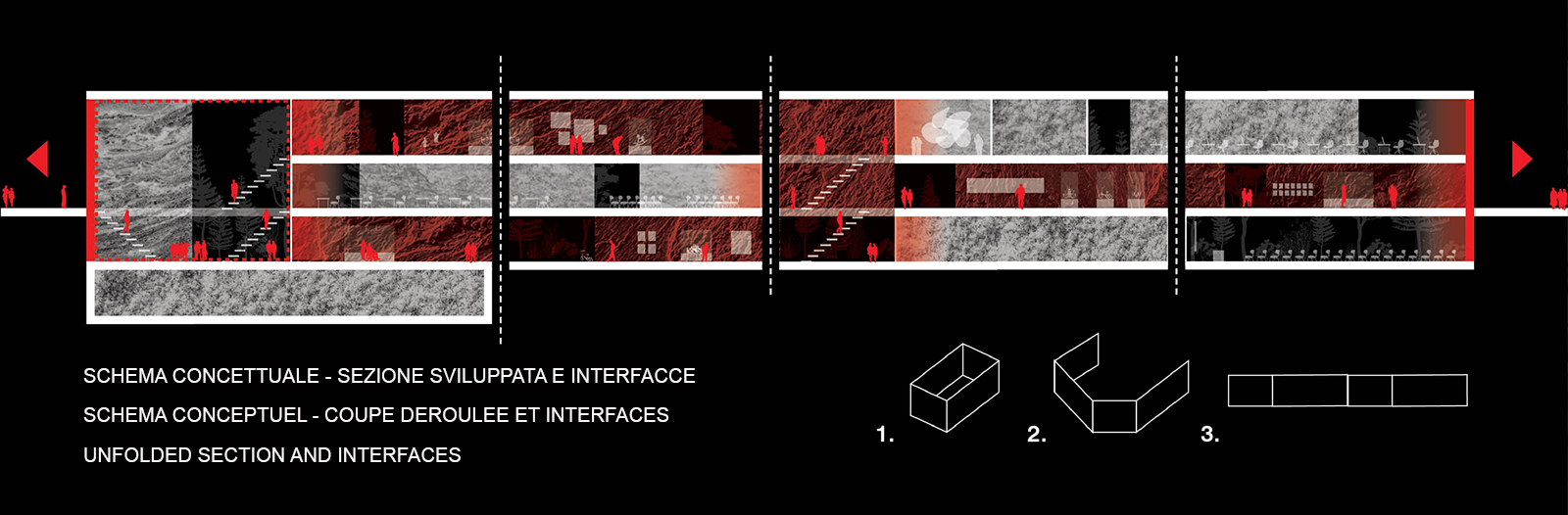
The garden is one of the key elements of the museum. Its lush vegetation contrasts with the mass of the building and its mineral character. It becomes the true horizon of the museum route, which winds around it like a ribbon. The permanent exhibition gallery follows an ascending path that begins at the intermediate level of the agora and returns to this same agora from above.
While respecting the surrounding heights, the parcel layout, and the volumetry of the two existing buildings that will be demolished, the project’s insertion into the urban fabric aims to mark this rupture while conveying a powerful message about the duty of memory and transmission. The building surprises— even unsettles— drawing attention to itself and to its mission. The intention is to break indifference and inaction. We propose a gesture that is both sensitive and powerful—an architecture conceived as a form of emotional education in the memory of the Holocaust.
Thus, the MemHO project—the Memory of the Holocaust—seeks to establish a presence within the city. Its volume integrates with the scale of the street while standing out through the austerity of its texture. This urban attitude announces an introverted museum experience and conveys the weight of memory. The museum’s main components are inscribed within a primary mass: the agora is carved into the corner, the garden lies at the heart, the exhibition gallery wraps around the garden, and the other programs nest within the remaining volumes.
The garden is one of the key elements of the museum. Its lush vegetation contrasts with the mass of the building and its mineral character. It becomes the true horizon of the museum route, which winds around it like a ribbon. The permanent exhibition gallery follows an ascending path that begins at the intermediate level of the agora and returns to this same agora from above.